 grovercentervet
The Complete Guide to a Pet Wellness Exam: Investing in Your Animal’s Long-Term Health
We take a pet into our lives, and we promise to look after them throughout their life. We provide them with cozy beds, good food, lots of love. However, one of the most beneficial things that can be done to help them enjoy a long and healthy life is something that is easily forgotten until they begin to show symptoms of illness: routine pet wellness exams.
Animals are not like humans, who can simply complain if they have a headache, a stiff joint or an odd stomach ache. In the wild, exposing weakness or sickness can lead to targets being set on the animal by predators. Your pet dog or cat still has this primitive instinct. Often a pet’s disease has been advanced by the time it becomes apparent to the owner.
A preventative wellness exam is a proactive approach to identifying and catching any underlying issues in your pet’s health before they become serious, costly medical problems.
So what is a Pet Wellness Exam?
When a vet gives a pet a comprehensive checkup that takes place on a routine basis and the pet is healthy, it is called a pet wellness exam. The veterinary equivalent to a human annual physical exam.
A wellness visit is based on the concept of prevention. A wellness checkup is not about treating a disease once it is established, but about staying as healthy as possible, monitoring physical changes over time, and preventing disease from occurring.
On these visits your veterinarian checks your companion from nose to tail, collects baseline medical information, provides up-to-date vaccinations and keeps current on critical shots, as well as a discussion of behavioral and weight management issues and nutrition. This is a special time to concentrate on wellness, in the absence of an emergency medical situation.
What is a Pet Wellness Exam?
When you take your animal to an extensive wellness exam, there is much more to it than a mere coat check. Your vet will employ a very methodical assessment of all the major systems of your pet’s body. This is what’s involved in a typical nose-to-tail physical exam.
3. The Results and Reporting period.
- Typically the appointment starts with a veterinary technician taking your pet’s core measurements. They will also evaluate your pet’s weight over time to note any rapid changes, which may be a sign of other metabolic problems such as diabetes or thyroid problems. They will also perform a physical exam and check your pet’s temperature, as well as note the resting heart and respiratory rates.
2. Comprehensive Physical Evaluation
After taking vital signs, the veterinarian will conduct a physical exam. They will examine:
- Inspect eyes for cataracts, discharge or redness; examine ears for deep canal inflammation, yeast infection and ear mites; and inspect nasal passages.
- Oral Cavity: Checking gums, tongue and teeth for periodontal disease, heavy tartar deposits and oral masses.
- Skin and Coat: Examine for external parasites (such as fleas or ticks) as well as skin infections, dryness or abnormal lumps and bumps under the skin.
- Palpating the joints of the spine, hips and legs, to look for swelling, underlying pain, or limited range of movement which may indicate arthritis.
- Abdominal Palpation: Lightly pressing on the abdomen to check the size and shape of internal organs, such as kidneys, liver and bladder, without any painful spots or unusual masses being felt.
3. Listening to internal organs
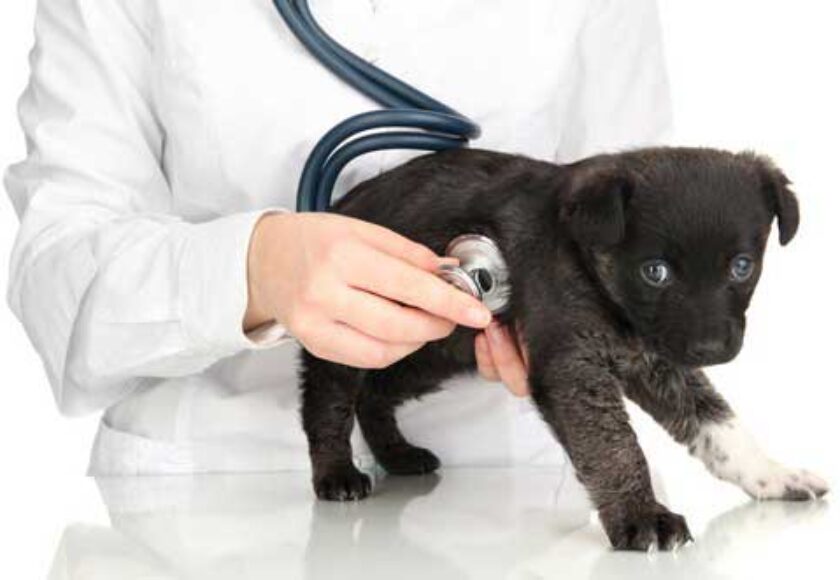
With a special stethoscope, your vet will listen closely to your pet’s thoracic cavity. They listen to the heart to identify abnormal rhythms or murmurs which may be predictive of the progression of cardiovascular disease. They will also hear the sound of the lungs to make sure there are no sounds of fluid, wheezing, or congestion.
Diagnostic/Preventative Testing
A thorough exam goes beyond the outside of the body and requires the full scope of a veterinarian’s examination skills. Internal diagnostic screening is just as important as looking at the outside as it helps to give you a fuller picture of your pet’s health. Your veterinarian will probably suggest a number of routine laboratory tests depending on your pet’s age and activities, such as:
Fecal Parasite Screening
A new stool sample will be needed at your pet’s appointment often. This sample is examined in the laboratory using a microscope to look for microscopic eggs of intestinal parasites such as roundworms, hookworms, whipworms and giardia. Regular screening is important family safety since many of these parasites are zoonotic (can be transmitted from animals to humans).
Blood Chemistry and Complete Blood Count (CBC)
Wellness bloodwork is like a window into your pet’s biochemistry. RBC, WBC and platelets are examined during a CBC to rule out hidden anemia, active infection or clotting problems. The blood chemistry panel measures organ function and measures levels of certain enzymes to assess the liver and kidney clearance of body waste.
Testing for heartworm and vector-borne diseases.
A quick blood test can help determine if your pet has been exposed to heartworms, a serious disease that is spread by mosquitoes. In many areas, the same test is used to check for the presence of common tick-borne diseases including Lyme disease, Anaplasmosis and Ehrlichiosis.
Wellness Schedules by Life Stage are recommended.
Animals’ medical requirements change significantly throughout their lifespan. A pet’s age is much different than a human’s, and one year in a pet’s life is a long time in human years. Your pet wellness exam plan should be consistent with your pet’s life stage for optimal care:
The following information is provided as a guideline.
The following is a wellness schedule that is recommended by life stage.
Animals’ medical requirements change significantly throughout their lives. Pets age at a much accelerated pace as compared to humans, meaning that one calendar year is a big portion of their lifetime. For optimal care, you should schedule the wellness exam for your pet to coincide with his or her life stage:
Life Stage
Age Range
Exam Frequency
Primary Focus Areas
Puppy & Kitten
0 to 1 Year
Every 3 to 4 weeks until ~16 weeks old
Vaccine series, parasite deworming, spay/neuter counseling, behavior and growth tracking.
Adult Pet
1-7 Years
Annually (Once per year)
Core vaccine boosters, weight management, early dental disease tracking, baseline blood work.
Senior Pet
7+ Years
Bi-annually (Twice per year)
Managing arthritis, comprehensive blood panels, blood pressure monitoring and checking for vision or cognitive changes.
Small dog breeds and cats are seniors at about 8-10 years of age, giant breeds like Great Danes and Mastiffs are seniors at about 5-6 years.
What is the cost of a Pet Wellness Exam?
Depending on your location, your pet’s size and the tests that are needed for their age, the cost for a wellness exam may differ.
The average cost of the physical examination alone is $50 to $100. A comprehensive pet wellness exam package that includes recommended preventative care components will cost $150 to $450.
Let’s dissect the average expenses of a full wellness checkup:
• Base Physical Exam Fee: $50 – $100
- Routine Annual Vaccines: $40 – $90 (depending on which boosters are needed)
- A Heartworm Screening Blood Test is $45-$75.
- Fecal Parasite Testing: $35 – $60
- This blood panel provides a comprehensive evaluation of wellness levels.
- This blood panel looks at the full picture of wellness levels, $100-$250.
It is easy to spend a few hundred dollars on a healthy looking animal, but much cheaper than spending a lot of money on treating a late-stage illness. For instance, if you know you are starting to experience kidney decline in your pet at an early stage, and you have a general check-up, you can manage it easily and at a reasonable cost with a therapeutic diet. Failure to do so can result in acute renal failure which may necessitate emergency hospitalization and intensive fluid therapy; the cost of these procedures could exceed thousands of dollars.
Preparing Your Pet for their Exam.
Going to a veterinary clinic can be a stressful experience for both cats and dogs. Strangeness of the unfamiliar smells, barking dogs, and handling by strangers can result in anxiety. Fortunately, there are a number of steps you can take to ensure the furry exam is as smooth as butter for your furry friend:
- Acclimatize the Carrier: If you’re travelling with cats and small dogs, let the travel carrier out in your home several days before the appointment. Do not use the carrier as the only vehicle for transporting high value items or familiar bedding to avoid negative associations.
- Handle at Home: Regularly touch your pet’s paws, look into your pet’s ears and lift their lips to check their teeth. They will be less apt to show signs of being defensive when the veterinarian will be doing the same moves during his/her pet wellness exam if they are accustomed to it at home.
- Bring Favorite Treats: If your veterinarian has not specifically asked you to withhold food from your pet for certain blood tests, pack a bag of their favorite, irresistible treats to give them throughout the physical exam.
- Take some notes ahead of time: Record any minor behavioral changes that you’ve observed at home, like variations in water use, sleep or energy. If your veterinarian ordered a stool sample for parasites, take a new specimen.
Conclusion
The foundation of being a good pet owner is to have a pet well visit at regular intervals. It’s a step from a healthy “guess” to a healthy “inside” animal. These regular checkups enable your veterinarian to establish a medical history of your pet for the rest of his life, plan a safe vaccine program and detect serious medical problems well before they start to cause pain.
A few moments and dollars spent on routine examinations now can help you give your pet the most important gift—the one it will always cherish: a pain-free life, a dog life, a cat life, active and long by your side. If your pet has not been checked out by your veterinarian in the past year, give your local veterinarian a call today to schedule a thorough pet wellness checkup.
FAQs:
Why do healthy animals need a pet wellness exam if they don't look sick?
Pets are hard-wired to mask their pain and disease to keep from getting hurt. A wellness exam is when a veterinarian can detect early kidney disease, heart murmurs or even the onset of arthritis or other problems that are invisible or barely noticeable to you and your dog.
What's the primary distinction between a pet health visit and an emergency visit to the veterinarian?
A wellness exam is only for prevention, screening, vaccines and ongoing health monitoring of an outward appearance healthy pet. Emergency/Sick Visit is a reaction appointment to diagnose and treat a specific acute illness, injury or urgent medical problem.
3. When is it a good time for older pets to get a pet wellness exam?
For senior pets (animals 7 to 10 years of age or more, depending on breed size), the visit will be twice a year (bi-monthly), and is strongly recommended by veterinarians. Changing to a senior dog’s body happens more quickly than in younger dogs, and while arthritis, cancer and organ failure may not be a problem, it can still be serious and become more active during your dog’s golden years.
4. Do routine vaccines always come with the pet wellness exam?
No, vaccines are usually charged by the shot in addition to the fee for a physical. Many veterinary clinics, though, combine core lifestyle vaccines with routine diagnostic lab tests into the one discounted annual wellness package, which should help reduce the overall cost to the pet owner.
5. Is it ok to not test for fecal parasites when getting a pet wellness exam if my pet stays completely indoors?
It is not recommended to skip this test. Indoor pets can still easily contract internal parasites. For instance, shoes can track parasite microscopic eggs indoors, mosquitoes can bring heartworms inside, and indoor cats can ingest fleas carrying tapeworm larvae. Regular diagnostic screenings ensure your entire household stays safe from parasitic transmission.