 grovercentervet
Dog Poisoning Symptoms: Warning Signs Every Owner Should Know
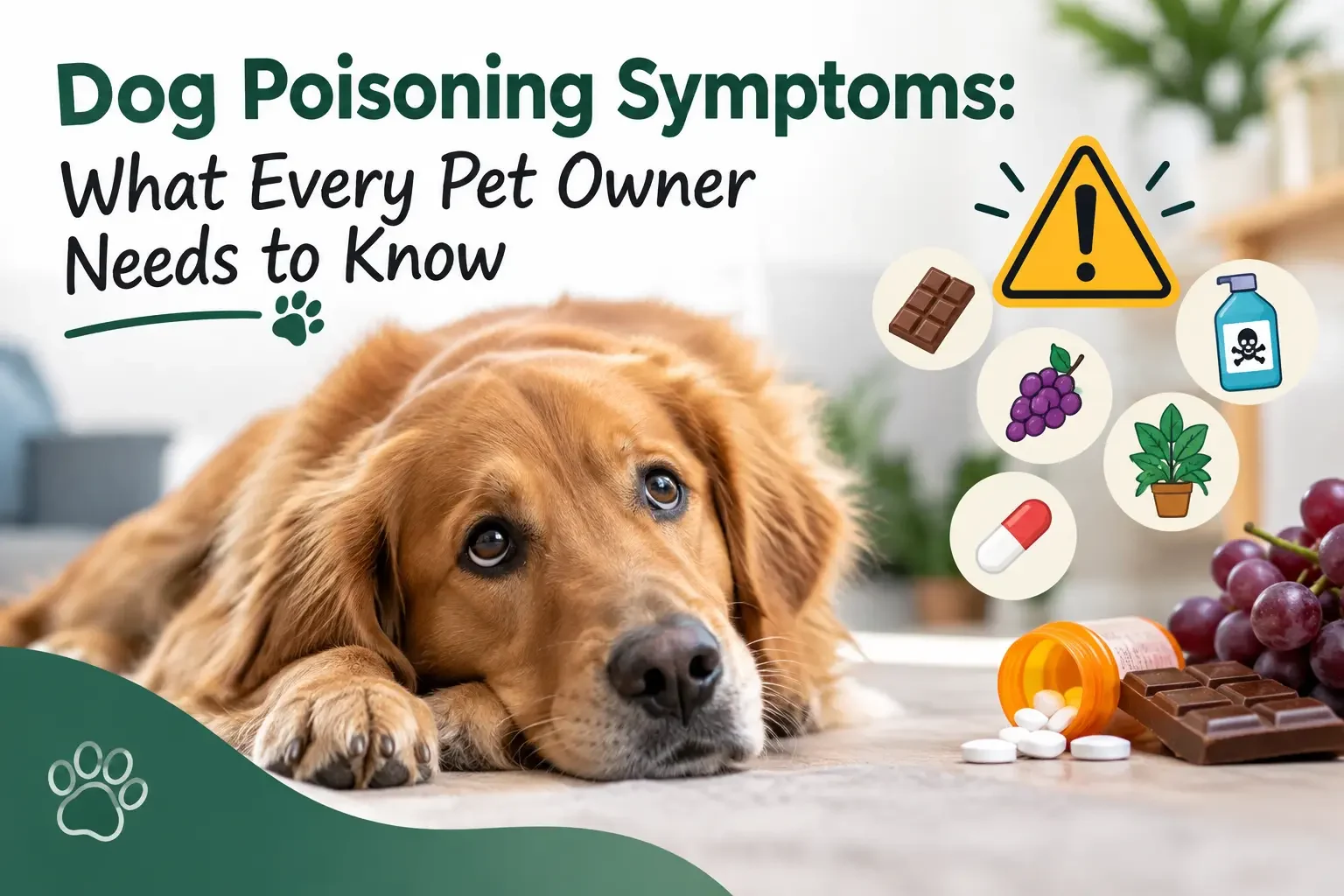
Dog Poisoning Symptoms: What Every Pet Owner Needs to Know
There are few more terrifying moments than when your dog suddenly gets sick and you don’t know what happened. Poisoning is one of the most frequent (and certainly most urgent) of the causes of sudden illness in dogs. From a chocolate bar that’s accidentally left on the counter, a toxic plant in the backyard, or a spill of a household cleaner, dogs are inquisitive creatures and may find themselves in situations they don’t need to be. If you catch the signs of possible poisoning early, you could save your dog’s life or prevent a life-threatening emergency.
Poisoning cases come in at Grove Center Veterinary Hospital every day, and when you aren’t sure if your dog’s symptoms are serious, it can be very overwhelming. This guide explains the most common signs of dog poisoning, the usual culprits and how to deal with it if your dog has eaten or consumed something that may be toxic.
Why Dogs Are More Likely to Become Poisoned Than Other Animals
Dogs use their noses and mouths to find out what’s going on. They search out food leftovers, eat plant leaves, lick up spills and raid garbage cans without an idea of what is safe to eat. It is this natural curiosity that makes dog poisoning symptoms one of the most common veterinary emergencies. Common culprits include:
- Foods consumed by people such as chocolate, grapes, onions, and food made with xylitol (sugar substitute in gum and baked goods)
- Pesticides, cleaning products, antifreeze are examples of household chemicals.
- Medications (Human and Veterinary) particularly if accidentally left where children can reach them
- Toxic plants, such as lilies, sago palms and azaleas
- Poisoning can result from using rodenticides or insecticides around the house or yard.
There are a lot of things around a house that can be dangerous, so it’s one of the most important pet owner skills to have to recognize dog poisoning symptoms quickly.
Dog Poisoning Signs and Symptoms
The signs of dog poisoning can be very different depending on the type of poison consumed, the amount consumed and your dog’s size and health. There are a few signs of poisoning that tend to reappear in all forms of poisoning, however. If you see any of the following, it is important that you consider it an emergency situation.
- 1. Vomiting and Diarrhea
One of the earliest signs of dog poisoning is gastrointestinal upset. This is frequently the body’s way of trying to get rid of a toxin that was consumed shortly after eating something unusual. Anything out of the ordinary, such as colour changes, blood or an unusual smell, can be a clue to your vet on what’s causing the issue.
- 2. Sudden weakness or lethargy.
If a dog starts to appear tired, weak or unwilling to move around suddenly, it could be a sign that the toxin is affecting the nervous system, liver and/or kidneys. An unexpected lethargy, particularly when combined with other symptoms, should never be overlooked.
- 3. Salivation or salivation and foaming at the mouth.
One of the most common symptoms of dog poisoning is drooling, especially when caused by toxic plants, some chemicals or rotten food. May also be a sign of nausea or mouth and throat irritation.
- 4. Shaking, “twitching” or seizures
Some of the symptoms of dog poisoning are more horrific than neurological. Exposure to some pesticides, rodenticides, recreational drugs or certain plants can cause tremors, muscle twitching, disorientation, or complete seizures. These symptoms call for emergency treatment asap.
- 5. Difficulty Breathing
Another serious symptom of dog poisoning is labored or rapid breathing, particularly when accompanied by other indications of poisoning which may be caused by heart or respiratory tract poisons, including some rodenticides and household chemicals. When the breathing pattern changes rapidly, this can be a sign of trouble and should be taken to your vet’s attention as soon as possible.
- 6. Loss of Appetite
One of the less noticed signs of a dog poisoning is if the dog suddenly refuses food, particularly one that is normally good for their appetite. It often goes hand-in-hand with nausea, abdomen pain or stress to any internal organs.
- 7. Gums that are pale or yellow.
Your dog’s gum color can give you a lot of information about his health. Yellowing (jaundice) may indicate some liver function involvement, and pale gums may indicate internal bleeding or shock. These are both serious signs of dog poisoning and require immediate treatment from a veterinarian.
- 8. An excessive increase in urine production
Some poisons especially antifreeze can make them thirsty and urinate excessively in the beginning. This is a very subtle symptom of dog poisoning, because it may appear to be your dog just drinking more water on a warm day.
- 9. Abdominal pain or bloating.
If your dog hunches, whines when you touch it near its belly or looks bloated, it might have an irritated inner body or organ problems. Many of the dog poisoning symptoms – even consumption of chocolate or chemical exposure – feature abdominal discomfort.
- 10. Collapse or Unresponsiveness
In severe cases, dog poisoning symptoms can progress to collapse or a loss of consciousness. Medical emergency – urgent transport to an emergency vet hospital.
How Fast Do Dog Poisoning Symptoms Occur?
The onset of symptoms is very different for each toxin. Other substances such as some human medicines or chocolate may cause symptoms of dog poisoning within 30 minutes to a few hours. Some other products may not cause noticeable symptoms for 12 to 36 hours after poisoning has occurred, but internal damage is already taking place. This is one of the most hazardous characteristics of poisoning—that the symptoms may not be evident at dog poisoning first signs and symptoms, and the owner may think that because his dog looks fine, he is.
Due to this uncertainty, do not delay in taking your dog to the hospital if you know or suspect it has eaten something harmful. Call your vet or an animal Poison Control Center immediately.
If You See Any Signs of Dog Poisoning, Take Them to the Vet
When your dog displays any of the symptoms listed above, it’s time. Here are some guidelines to follow:
- Be calm, and take stock of the situation. Determine if your dog might have eaten something, how much, and when.
- Review the ingredients and symptoms of your pet’s medications. As detailed as possible, describe the symptoms you are seeing in the dog that you think are characteristic of poisoning.
- Never try to make someone vomit unless told to by a professional. Some of these materials are more harmful when introduced into the body again than when they are in the bottom, so proceed with caution and under the guidance of a professional.
- Bring evidence with you. Take the package, plant or substance your dog may have eaten to their vet visit if possible.
- Transport your dog in a manner that will minimize stress to their body.
Grove Center Veterinary Hospital is prepared to respond to poisonings quickly and effectively, which includes prompt diagnostics and treatment, such as inducing vomiting (when necessary), giving activated charcoal, administering IV fluids and supporting organ function as your dog recovers from the toxin.
Take Steps to Keep Dogs From Being Poisoned in the First Place
It’s important to know about the symptoms of dog poisoning, but prevention is always better. Here are some simple safety measures to keep in mind:
- Use dog-proof cabinets for household and pet products, medications and antifreeze.
- Avoid having toxic foods, such as chocolate, grapes, and xylitol sweets available.
- Do some research on plants before introducing into your home or yard.
- Lock bins and containers for waste materials
- Supervise your dog outside, particularly in new places
Prevention is better than the cure; the odds of ever needing to spot signs of dog poisoning are better if you take proactive measures.
Conclusion
Poisoning is a serious and terrifying emergency and prompt identification of dog poisoning symptoms may literally save her life. These symptoms include vomiting, being lethargic, tremors and trouble breathing and should not be ignored or regarded as trivial and short-lived. Never wait to see if your dog improves if he is exposed to something that’s harmful. Call Grove Center Veterinary Hospital immediately — we are dedicated to delivering quick, caring emergency treatment to your dog when they need it most.
Frequently Asked Questions
- What are the first indications of poisoning in dogs?
Initial signs of dog poisoning include vomiting, drooling, inappetence and lethargy. Some dogs may exhibit mild restlessness, or even disorientation before severe symptoms occur.
- After eating a poisonous substance, how long does it take for a dog to exhibit symptoms?
This depends upon substance. The signs of dog poisoning vary, and can start to show within 30 minutes to a few hours, or may take up to 12 to 36 hours to be noticed, depending on the type of poison used (e.g. antifreeze or some rodenticides).
- Will symptoms of dog poisoning pass?
Although the symptoms might go away, mild cases can have internal damage. When it comes to suspected toxic exposure, it’s always best to have a veterinarian assess your dog.
- Which items are commonly found in homes that cause dog poisoning symptoms?
Common causes include chocolate, grapes, xylitol, some medications, antifreeze, cleaning products, and toxic plants such as lilies and sago palms.
- If I believe that my dog was poisoned, should I try to induce vomiting?
Not without the help of a vet. While it may be beneficial to induce vomiting in some toxic substances, it may be dangerous in others, so it is best to consult your veterinarian or an emergency poison control center before attempting this.
- When is it time for my dog to be taken to the emergency veterinarian if I suspect something is wrong with him due to poisoning?
If your dog exhibits any of these symptoms, such as trembling, convulsions, shortness of breath, collapse, pale or yellow gums, or vomiting repeatedly, contact your veterinarian’s office for emergency assistance — do not wait to see if it’s going to get better.