 grovercentervet
Understanding Feline Behavior
Cats are an independent and mysterious species, but one of the things that can cause concern for any cat owner is the act of hiding. When not feeling well, many cats are quick to hide under beds, in closets or quiet corners. It’s not something they’re trying to do, but rather their instinct to survive deeply embedded in their nature. Knowing about the reasons why cats hide when they are sick can enable owners to observe early signs of disease and get cats to the veterinarian before illness progresses.
WHY DO CATS HIDE WHEN THEY ARE SICK?
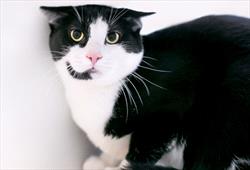
Cats in the wild are predators and prey. They may be weak or sick if they show weakness, and this could make them a bit vulnerable to bigger animals. As a result, cats instinctively hide pain and sickness to protect themselves. These instincts for survival exist in even domesticated cats. Hiding behavior occurs when a cat is not well, and it can serve as a mechanism to feel safe and not be noticed. Here are some of the most frequent illnesses which can make cats stay out of sight.
There are many medical conditions which can make a cat withdrawn. Infections, fever, arthritis, dental disease, stomach issues, injuries, urinary tract infections and chronic conditions like kidney disease are among the common causes. When cats are feeling pain or discomfort, they will look for places to go and rest in peace.
Cat Diseases: Signs Your Cat May Be Sick
Isolation does not necessarily equate to sickness, but if it occurs with other symptoms it could be a serious issue. Look for increased appetite, weight loss, vomiting, diarrhea, trouble breathing, lethargy, aggression, changes in grooming or litter box habits. A cat will hide in pain very well and it should never be ignored if there are slight changes in behaviour.
Stress and Anxiety Can Also Cause Hiding
Not all hiding is related to physical illness. Cats may also become shy if something is stressful, they become anxious, loud noises are around them, they see new cats or animals, or they feel changes in their routine. Hiding should be monitored closely, however, and should not last for too long, as stress can cause health issues in cats.
When does the concern become an issue of worry?
Many cats will hide from time to time, but if hiding occurs suddenly or for extended periods, this could indicate that the cat is sick or in pain. Take a cat to a vet right away if he refuses food for more than a day, avoids interaction for more than a day, or exhibits other abnormal behaviors. Timely diagnosis will avoid serious complications.
What to do if your cat is sick.
Create an environment for your cat that is peaceful, quiet and comfortable. Ensure good access to food, water and litter boxes. If your cat wants some space then do not bother him/her, but keep a close watch on their behaviour. It is crucial to assess a cat’s condition if it begins to hide or act ill for a long period of time.
It's important to know about the behavior of a cat.
Cats express discomfort in different ways than dogs and humans. The ability to identify hiding as a possible warning sign can enable owners to respond quickly and protect the health of their pet. Early detection of illness and better outcomes from treatment can be achieved by paying attention to behavioral change.
(FAQs)
Q1: Why do cats hide when they feel sick?
A: Cats hide because it is a natural survival instinct that helps them feel protected when they are weak or vulnerable.
Q2: Is hiding always a sign that my cat is sick?
A: Not always. Cats may also hide due to stress, anxiety, fear, or simply wanting quiet time.
Q3: When should I take my hiding cat to the vet?
A: You should contact a veterinarian if hiding is sudden, prolonged, or accompanied by symptoms like loss of appetite, vomiting, lethargy, or breathing issues.
Q4: Do cats hide when they are in pain?
A: Yes. Many cats hide when they are experiencing pain because they instinctively avoid showing weakness.
Q5: Can stress make cats hide?
A: Yes. Changes in environment, loud noises, visitors, or new pets can cause stress-related hiding behavior.
Q6: How can I comfort a sick cat?
A: Provide a quiet, safe space with easy access to food, water, and litter while minimizing stress.
Q7: Why is my older cat suddenly hiding?
A: Older cats may hide due to age-related illnesses such as arthritis, kidney disease, or cognitive changes.
Q8: Should I force my cat out of hiding?
A: No. Forcing a cat out can increase stress. Instead, observe them gently and seek veterinary advice if needed.