 grovercentervet
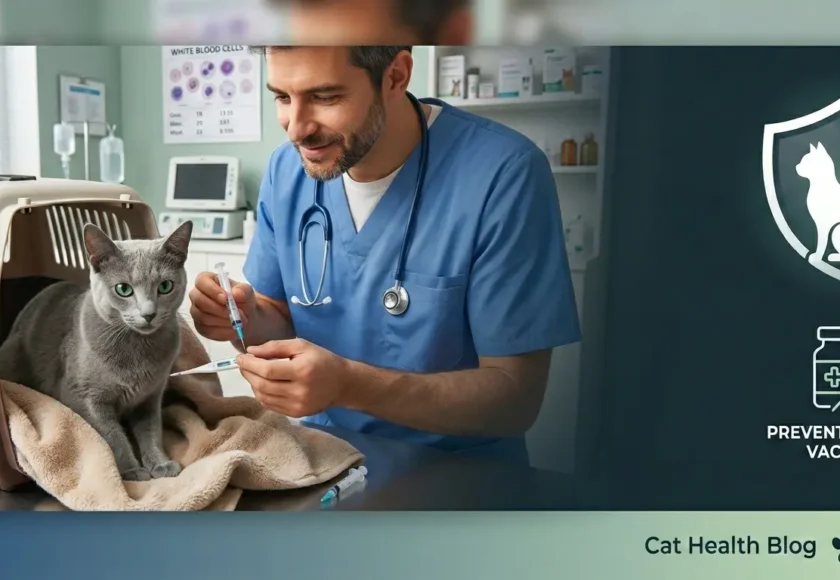
Food, exercise, and love are the first things that may come to mind when you think about keeping your pet healthy. One of the most significant things, which are sometimes neglected, are vaccination. It is not an ordinary visit to the vet. It is the vaccines that make the body of your pet to identify and combat serious diseases before they even become a problem.
What actually vaccines do.
Vaccines are effective in training the immune system of your pet. They assist the body to identify harmful viruses or bacteria and prepare the body in advance against them. Then, in case your pet is exposed to those diseases in future, the body already knows how to react to those diseases either preventing them altogether or making them a lot less severe.
The reasons why vaccination really matter.
Vaccination is not about your pet, it is more than that. It helps in keeping your pet healthy and free of serious and in most cases, life threatening diseases. It lessens the danger of costly medicines in the future. It also stop the transmission of diseases to other animals. Protect humans as well in certain situations (such as in the case of rabies). A lot of areas such as grooming salons, boarding, and training centers only allow pets to be vaccinated so that all animals are safe.
Are vaccines effective?
Yes—very. In the majority of pets, vaccines prove to be very efficient when administered in a timely manner. When pets are appropriately vaccinated, it is unusual to find the pets developing serious illness due to such illnesses. But timing matters. Missing or postponing vaccines may create a gap in protection, which may increase risk.
What type of vaccines does your pet require?
All pets do not require all the same vaccines. Two types are predominant: Core vaccines These are suggested to virtually any pet since they offer immunity to some of the most widespread and serious diseases. Non-core vaccines These will be based on the lifestyle of your pet. For example, Dogs that associate with other dogs might require extra protection. Local disease hazards may necessitate local pet immunizations. Your vet will make you on the basis of daily life, environment, and exposure of your pet.
How often should pets be vaccinated?
Vaccination is not a one-day affair but a timetable. Puppies and kittens also receive injections at the age of 6-8 weeks old. They are given a series of shots during the next several months. Then, periodically, booster shots are administered to ensure protection. All pets are unique and therefore you should always get the specific schedule provided by your vet.
Are there risks?
Similar to any medicine, vaccines may have side effects, but they are usually mild and temporary. You might notice: slight swelling on the site of injection, low energy, mild fever and reduced appetite. These affects usually disappear in a day or two. There are not many serious reactions, but in case you notice such symptoms like difficulty breathing, vomiting, swelling around the face, it is important to contact a vet immediately.
Final Thought:
Your pet has no idea what vaccines are, just to believe you to keep them safe. And to be frank, vaccination is among the simplest methods of doing so. It is only a small step that will keep them safe against things that they cannot see, cannot avoid and cannot fight by themselves. And there are times when such preventionary courses as this are the ones that will give them the longest, healthiest life they have ever known.
Pet Vaccinations – FAQ
Q 01: Why are vaccinations important for my pet?
Because they shield against potential life threatening diseases that your pet is not able to tackle on their own. This is the easiest way to protect them forever.
Q 02: How do vaccines actually work?
Vaccines prepare your pet’s immune system to identify harmful viruses or bacteria. This means if your pet is exposed later, their body already knows how to respond. Whether it be preventing the illness or making it much less severe.
Q 03: Are vaccines really necessary if my pet stays indoors?
Yes. However some diseases can still be brought in through the environment, other animals, or even humans. Indoor pets are still at risk, just in different manner.