 grovercentervet
Dog Cancer Symptoms: Early Warning Signs Every Owner Should Know
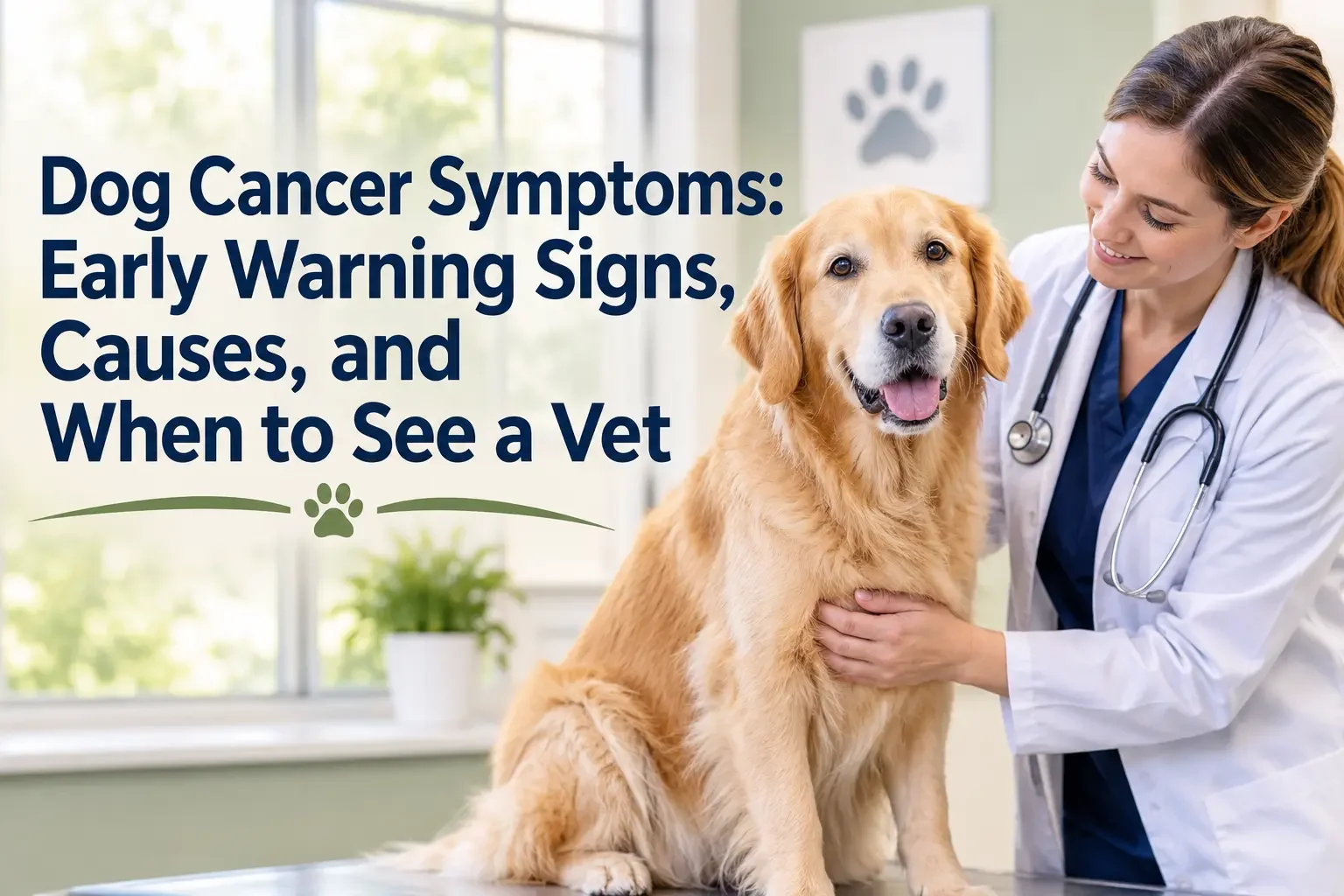
Dog Cancer Symptoms: Early Warning Signs, Causes, and When to See a Vet
When you hear the word cancer in conjunction with your dog you will be scared, but knowing the signs can make a huge difference. Early detection of dog cancer signs is the best time your veterinarian has to make a diagnosis and use the most treatment options. It is estimated that about 1/4 of dogs will develop cancer at some point in their lives, and is a major cause of dying in senior dogs. This guide outlines the warning signs, most common types, how veterinarians diagnose the disease and when to seek assistance.
Here are some of the most frequent signs of dog cancer: New or changing lumps, unexplained weight loss, loss of appetite, lethargy, and persistent lameness or swelling, non-healing sores, abnormal bleeding or discharge, and trouble breathing, eating or urinating. Many of these signs can also be related to non-cancer issues, so if any sign persists for longer than a week or two a vet exam is warranted.
Diagnosing dog cancer early is important for several reasons.
There are several reasons why early diagnosis of dog cancer is important. Cancer occurs when abnormal cells start growing out of control, and can invade other parts of the body. Early detection is vital because many cancers are more treatable when they are small and haven’t spread. Unfortunately, a dog will try to mask their pain and illness and you don’t notice a change in their health until the tumour has been around for a good while. Checking at home regularly and routine veterinary visits help to detect issues earlier.
Of all the types of dog cancer, these are the most common symptoms.
The most common signs that veterinarians encounter are listed below. Just because one symptom isn’t necessarily a sign of cancer does not mean it isn’t something to be taken on board all the time and when a pattern or a persistent change is observed.
- A bump or lump that is newly developed, enlarging or altering in shape or color
- Sores or wounds that don’t heal
- Decreased appetite or interest in food and beverages
- Lack of desire to eat or have difficulty swallowing food
- Lethargy, lack of energy or unwillingness to move around
- Limb or joint that is swollen and painful, or that is limping on all the time
- If there are swollen lymph nodes under the jaw, behind the knees or in front of the shoulders it may indicate a thyroid condition.
- Bleeding or discharge from the rectum, mouth or nose
- Bad breath or odours that don’t dissipate
- Breathlessness or difficulty breathing
- Rupture of the intestine, bladder, or uterus.
- A distended or bloated abdomen.
- Straining to urinate or blood in the urine
- Bathroom changes (including constipation or diarrhea)
- Pale gums, sudden collapse.
Symptoms by Type of Cancer
The symptoms of any dog cancer vary according to the location of the cancer. Understanding the typical features of certain types can guide your description of the observed feature:
- Lymphoma: Lumpiness and non-painful enlargement of lymph nodes, as well as weakness, loss of weight and increased thirst.
- Osteosarcoma (bone cancer): Lameness that does not respond to treatment and a painful swelling of a limb, usually in large and giant breeds.
- Skin lumps that may appear to be harmless bumps, but can be swollen, reddened, and grow in size from day to day are mast cell tumors.
- Hemangiosarcoma: usually asymptomatic until a tumor on the spleen or heart ruptures resulting in sudden collapse, weakness and pale gums.
- Mouth cancer or dark growths in the mouth or on toes, nail beds, sometimes with bleeding or loosening of the teeth.
- Mammary tumors: solid masses in the mammary chain, usually in non-spayed females.
- Bladder cancer: blood in the urine, frequent urination and straining of urine (may mimic an infection).
Isn’t all lump cancer?
No. As dogs get older, they can get lipomas, benign fatty growths. The issue is that it is not possible to feel the difference between a benign lump and a cancerous one. If a lump appears new, changes, is firm or fixed in a spot, ulcerates, is there for a month or more, veterinarians recommend that it be examined. Often a simple test can tell you what you are dealing with and the answer is reassuring.
Which Dogs are at Greater Risk?
The most important risk factor is age; in dogs, cancer is more prevalent in those over seven or eight years. Other breeds are also more likely to develop specific cancers such as Golden Retrievers, Boxers, Rottweilers, Bernese Mountain Dogs and Labrador Retrievers. Other risk factors include the presence of a healthy mammary and testicular gland, sun exposure in white dogs, exposure to tobacco smoke or some chemicals and a family history of cancer. However, a dog with risk factors is not a dog that is “doomed” to develop cancer, but is a dog that will benefit from closer monitoring.
When to See the Vet
When you see any dog cancer symptoms that persist for a week or two, make an appointment, don’t wait to see. If the signs suggest an emergency, the following response is recommended:
If any of the following occurs, the child should be taken to an emergency room immediately:
- Having trouble breathing or frequent coughing attacks
- A large hard belly that’s definitely uncomfortable.
- Bleeding that cannot be controlled
- Lack of ability to pass urine or bowel movements.
- seizures or sudden changes in behaviour
Tell the team when you first noticed the change, if it is getting worse and any changes in eating, drinking, energy or bathroom habits.
The diagnosis of cancer in dogs is a process that veterinarians undergo to identify the disease.
Upon presentation of signs of dog cancer, your veterinarian will conduct a thorough physical examination, which will include palpitating the skin, lymph nodes, abdomen, mouth and joints. Tests are then selected as per the examination:
- Fine needle aspirate: a small needle is used to extract a few cells from a lump and look them over under a microscope or send them to a laboratory.
- Biopsy: a tissue sample provides a more in-depth diagnosis and reveals the degree of aggressiveness of the tumor.
- Blood tests and urinalysis: these look at organ function and overall health and can show signs of changes that are associated with cancer.
- Imaging (X-rays or ultrasound) is used to find tumors in the chest and abdomen and to determine if the disease has spread.
- The unusual cases may require imaging through a specialty center (CT or MRI).
There are various options for treatment for dogs that have cancer.
Treatment will depend on the cancer type, progression and general health of your dog. Options include:
- Surgery: may be first treatment if the tumour is amenable to complete removal.
- Chemotherapy: often used in the treatment of cancers that have spread throughout the body, such as lymphomas. Dogs will tolerate it better than humans, and it has fewer side effects.
- Radiation therapy: Treats tumors that cannot be removed by surgery.
- Newer therapies for some cancers: Immunotherapy and targeted therapy.
- Palliative and comfort care: providing your dog with the best possible pain relief, nutritional support and nursing care to maximize his/her quality of life if cure is not possible.
Your veterinary team can give you a realistic idea of what to expect, the quality of life your dog will have, and the costs so you can make the best decision for your dog and your family.
Monitoring and Prevention at Home
While there are some cancers that cannot be prevented, it is important to know the signs and symptoms of cancer in dogs and to keep your dog in regular check up. Try these habits:
- Make a nose to tail check once a month. Feel for any new lumps when touching your dog’s body, and check inside the mouth and around the eyes, ears and toes.
- Track changes. Record weight, appetite, level of energy and any lumps; take photographs to demonstrate how things change over time.
- Schedule wellness exams. Career Exams should be twice a year on senior dogs, usually include blood work.
- Spay/Neuter at Appropriate Age. Mammary tumors can be significantly minimized by early spay.
- Keep your dog safe from hazards. While on thin coated dogs, minimize sun exposure, refrain from tobacco smoke and maintain a healthy body weight.
Conclusion
Unfortunately, cancer in dogs is a serious condition, but not one that has to be a death sentence. In many dogs, months or years of living without symptoms follow the diagnosis, and early diagnoses can lead to a greater number of treatment possibilities. To keep your dog cancer free, you should familiarize yourself with the symptoms of the disease, examine your dog regularly, and take action if anything changes. Don’t put it off if you notice any changes or have a lump. Call Grove center Vet for an exam. We are dedicated to providing answers to Rockville, Gaithersburg and surrounding pet families.
Frequently Asked Questions (FAQ)
Dogs showing the first signs of cancer are experiencing which of the following? The first symptoms include a new or growing mass, weight loss, loss of appetite and fatigue. These can be caused by other things, so it’s only a veterinary exam that will tell.
A dog can have cancer and not show symptoms, 2. Can a dog have cancer and not show symptoms? Yes. Cancers, like hemangiosarcoma, can develop over an extended period without showing symptoms. Blood work and wellness checks are done regularly to detect masked disease in senior.
In what ways do cancers spread in dogs and how fast? This is dependent on the type. Some tumors develop slowly and remain stationary, others spread rapidly. Diagnosis and staging tests can tell the aggressiveness of your dog’s cancer.
4) Do all lumps on dogs result in cancer? No. Many lumps are harmless, such as fatty lipomas, and only a test can determine this. Don’t hesitate to have any new or changing lump examined.
5. What is the lifespan of a dog if he has cancer? Treatment, type of cancer and stage of cancer are all factors that affect life expectancy. Several dogs survive for several months and some live for years. Your veterinarian or oncologist will be able to provide you with a more specific prognosis.
7. What can I do to make sure my dog doesn’t get cancer? While not all cases can be prevented, you can reduce the risk with an appropriate spay surgery, trying to keep your dog at a healthy weight, avoiding excessive sun and smoke exposure and regular check-ups.
