Tag: Pet Wellness Exam

Dog Health Checkup

Dog Health Checkup Guide: Why, When & What to Expect | Grove

The Complete Guide to a Dog Health Checkup: Why Every Dog Owner Needs One

All dog owners are looking for a long and healthy life for their beloved pets—and the best way to assure that is to get your dog a routine dog health checkup. A dog health exam isn’t a once-a-year procedure you do because you have to; it’s a preventative measure that is proactive and can detect issues before they escalate to a crisis. Puppies are bouncy, growing dogs, adults are active, and seniors are slower. A dog health checkup allows your veterinarian to give your dog a tune-up and make sure the engine is in good running order.

At Grove Center Veterinary Hospital, we know first-hand that a regular schedule of dog health checkups can make a difference for pets and pet owners. This guide explains why a dog health checkup is important, what you can expect at your appointment, how often you should have a checkup, what symptoms might indicate that you shouldn’t delay a checkup, and how to maximize your checkup success.

The Importance of a Dog Health Checkup Is Greater Than You Realize

Dogs are masters of masking their symptoms and signs of pain and disease. Weakness in the wild is a vulnerability and your dog’s willingness to sleep on the couch hasn’t taken that away. This is one of the reasons a dog health checkup is essential—it’s because a trained professional can see inside the dog and pick up on the subtle changes that you, as a loving non-clinical observer, might not notice.

A complete dog health examination can detect early symptoms of:

  • Dental disease, which is a major cause of dog pain, and is common to most dogs by three years of age.
  • Increased body weight and the resulting stress on the joints.
  • Heart murmurs or irregular heart rhythms.
  • Skin health issues, along with allergies and parasites.
  • Kidney or liver changes at an early stage that can be seen in blood tests.
  • Poor eyesight or hearing, particularly in older dogs.

These problems can go unnoticed until they become more painful and costly to treat, without routine health examinations. Reactive treatment is almost always more stressful for your dog and it is more expensive than preventative treatment.

What Happens During a Dog Health Checkup?

If you’ve never been to one before, you should have no reason to worry, as you and your dog will know what to expect. A routine examination at Grove Center Veterinary Hospital usually comprises the following:

  1. A Thorough Physical Checkup

Your veterinarian will examine your dog’s eyes, ears, teeth and gums, skin and coat, joints and abdomen. This hands-on part of the dog health exam frequently is the first indication of a problem, whether it’s a lump under the skin or a joint that’s tender.

  1. Body Condition Score (BCS) and Weight

A dog health checkup will include weight management. Your vet will use your dog’s body condition score to see if they are underweight, have the perfect weight, or are overweight which may put strain on your dog’s heart and joints over time.

  1. Heart and Lung Auscultation

The vet uses a stethoscope to hear abnormal lung sounds, murmurs, or irregular heartbeats. This part of the dog health checkup is fast but vital, as cardiac and respiratory problems may be dormant for lengthy periods of time.

  1. Dental Assessment

A dental examination is nearly always a part of a dog health checkup, since dental disease is extremely prevalent. Build up of tartar, gum inflammation, and loose teeth are all early signs that can be detected to prevent a painful dental emergency.

  1. Vaccines and Deworming

A dog health check is when core vaccines should be updated and flea, tick and heartworm prevention should be discussed, depending on the age and past experiences of the dog.

  1. Bloodwork and Diagnostic Testing

Bloodwork can be a component of a dog health checkup for adult and senior dogs to assess organ function, blood cell counts and screen for conditions that may not have any external symptoms.

  1. Behavioral and Lifestyle Discussion

A thorough dog health exam doesn’t just involve the body. Your veterinarian will want to know what you are feeding, how much you are exercising, how much you are sleeping, and if there have been any changes in behavior since you began noticing that there is a problem. The reason is that all of this information can help identify the cause of the health issue.

How Many Dog Health Examinations Are Frequent Enough?

Your dog’s health checkup frequency will vary greatly depending on your dog’s age and health condition:

  • Puppies (under 1 year): Dog health checks every 3-4 weeks until the dog is fully vaccinated and then bi-annually.
  • Adult dogs (1-7 years): One dog health checkup every year is normally enough for healthy adult dogs.
  • Senior dogs (7+ years): Senior dogs should have a dog health checkup every 6 months as age-related issues can rapidly develop.

If your dog has a chronic disease, a more regular dog health checkup schedule may be recommended by your veterinarian to track the continued treatment of your dog’s chronic health issue.

Following this rhythm will mean your dog’s health is not up for speculation. Having a predictable dog health checkup schedule also helps your veterinarian spot any changes year over year, whether they be a loss of mobility, weight gain or loss, or bloodwork changes.

Indications That Your Dog Needs a Checkup Sooner Than Scheduled

Dogs have a schedule for a routine health exam, but certain symptoms do not warrant a waiting period. If you see any of the following signs, please contact Grove Center Veterinary Hospital immediately:

  • Sudden weight loss or gain
  • Weakness or unwillingness to walk
  • Changes in eating or drinking habits
  • Throwing up, diarrhea, or blood in stool
  • Lameness or inability to stand up
  • Excessive scratching and loss of hair
  • Drooling and/or pawing at the mouth, with foul odor
  • Wheezing, coughing, or difficulty breathing

Any of these should be the reason for a dog’s health checkup earlier than later, as early intervention will most likely result in a better outcome.

How to Prepare for Your Dog’s Checkup

Some planning can make a dog health exam efficient and effective:

  1. Record any changes that have occurred in appetite, energy, bathroom needs, or behavior.
  2. If your vet needs to get a stool sample for parasite screening, bring a stool sample with you.
  3. Include prescribed medications and supplements currently being taken and dosages.
  4. Keep track of treats and table scraps that your dog is eating.
  5. Calm your dog before arriving; take a stroll to expend nervous energy.

Your vet will be able to use the time efficiently and make sure that the dog health checkup is complete and relevant to your pet’s current situation.

How Much Does a Dog Health Checkup Cost?

The expense of a dog health checkup depends on your dog’s age, the tests that are performed, and your area. The most basic wellness exam is the least expensive; a dog health checkup with bloodwork, vaccinations, or dental cleaning is more expensive. Many veterinary hospitals, such as Grove Center Veterinary Hospital, provide wellness plans that combine routine examinations, vaccinations, and other preventative measures for the dog into a fixed payment structure, thus helping you to more easily plan for your dog’s future health requirements.

Why Select Grove Center Veterinary Hospital for Your Dog’s Checkup?

Dog health checks are not all the same. We perform a comprehensive, relaxed, and thorough exam for each dog at Grove Center Veterinary Hospital which includes hands-on and innovative diagnostic techniques. A dog health checkup should provide answers, but not more questions. We strive to have a long-term partnership with you and your dog, and each visit comes with a baseline understanding of what we’ve learned about your dog’s past and patterns.

If you haven’t been to the veterinarian in a long time, now is the perfect time to book a dog health exam and be sure your dog receives the preventive care he deserves.

Conclusion

One of the easiest and best things you can do for your dog’s lifelong health is to have them examined for their health. From the early detection of dental disease to the early detection of a heart murmur, routine vet visits make a difference in your pet’s health. It’s important for puppies, adults, and seniors to have regular checkups on their health, and it can be helpful to know the signs to look for that warrant a visit sooner rather than later. Please do not let a little problem become a big problem—book your dog’s next appointment with Grove Center Veterinary Hospital and make your best friend a healthier dog.

Frequently Asked Questions

At what interval should I get my dog a health checkup?

Generally, a dog’s health examination should occur once a year for adult dogs, more often for puppies in the first year of their life, and every six months for senior dogs.

What should be part of a routine dog exam?

A normal exam will consist of a physical examination, weight check, heart and lung exam, dental exam, review of vaccination status, and sometimes blood tests or tests for parasites.

What is the price of a dog health checkup?

The expense of a dog health checkup varies, and can include anything from a simple checkup to bloodwork and vaccinations or dental cleaning. Grove Center Veterinary Hospital can give you a custom quote.

Are there ways to detect diseases in a dog in the early stages with a health checkup?

Yes. A dog health checkup looks for things such as dental disease, obesity, heart disease, and organ problems before they reach serious proportions; often this is accomplished by physical examination and bloodwork.

What should I bring to my dog’s exam?

To get the most out of the dog health checkup, take a list of any symptoms or behavior changes, current medications, and a stool sample if requested.

Do I need to take my dog to a health checkup if he/she appears healthy?

Yes. Dogs are careful in showing symptoms of illness and a dog health checkup can detect hidden problems that may not be evident at first hand, even in a dog which looks absolutely healthy.

Cat Wellness Exam : infographic

Cat Wellness Exam Guide: Why, When & What to Expect | Grove Center Veterinary Hospital

The Complete Guide to a Cat Wellness Exam: Why Every Cat Owner Needs One

Cats hide their illness with style, and that’s why one of the best ways to care for your cat is to have a cat wellness examination. Cats are often not outwardly showing signs of pain or disease until it is really quite advanced, so the best way to detect an issue early is to schedule a cat wellness exam. A cat wellness exam is a great time for your veterinarian to examine all of your cat’s systems before problems begin to arise; whether your cat is a playful kitten, an independent adult or a slowpoke senior cat, it’s a perfect time to check all of your cat’s systems.

Here at Grove Center Veterinary Hospital, we know how having a regularly scheduled cat wellness check-up can directly contribute to the length and quality of a cat’s life, and the peace of mind of its owner. This step-by-step guide will cover everything you need to know about a cat wellness exam including why it’s important, what to expect during the exam, when to schedule a wellness exam, when to avoid waiting for one, and how to prepare for the exam so your cat can make the most of it.

Why a Cat Wellness Exam is Even More Important Than You Think!

A cat that is weak is preyed upon by other animals in the wild, and that is still true in your home, even if your cat naps on a heated windowsill. That’s why it’s so important to have a wellness checkup—your veterinarian will get an opportunity to pick up on the subtle changes that even the most attentive cat owner may not notice.

During a comprehensive cat wellness exam, your veterinarian may discover the following early signs of:

  • Most cats will develop dental disease and gum inflammation by 6 years of age.
  • Chronic kidney disease (CKD) is a very common disease in older cats.
  • Hyperthyroidism and other hormonal disorders.
  • Obesity and joint or metabolic stress associated with obesity.
  • Heart murmurs or abnormal rhythms (arrhythmia).
  • Fleas, ear mites and other external parasites.
  • Older cats that are unable to see or hear properly.

Many of these conditions can silently develop for months or years, without ever presenting a problem at home, unless there is a regular cat wellness exam. Preventive care (via cat wellness exam) is almost always less taxing on your budget, and less stressful for your cat, than trying to treat an illness at an advanced and emergency stage.

During a Cat Wellness Exam

A cat wellness exam may be stressful for you and your cat if she’s never had one before, so it’s important to know what to expect to help calm her down. During a routine cat wellness checkup at Grove Center Veterinary Hospital, your veterinarian will examine your cat for:

  1. A thorough physical exam.

Your vet will examine your cat’s eyes, ears, teeth and gums, skin and coat, joints and abdomen from nose to tail. From a small lump to a tender spot on the belly, this hands-on component of the cat wellness exam is the place where first indications of a possible problem may emerge.

  1. Weight and Body Condition Score.

Tracking weight is vital to any cat wellness exam. Cats can gain or lose weight over time, and owners may not notice the changes, which is why you should have regular weight checks with your vet to check for any changes in your cat’s body condition score.

  1. Auscultation of the heart and lungs.

Your veterinarian carefully examines your cat’s heart and lungs with a stethoscope. This component of a cat health checkup is short but vital, as cats often do not show signs of cardiac problems until they are in a serious state.

  1. Dental Assessment.

Cats are almost always examined for their teeth and gums during a cat wellness exam as it is very common. If you are able to treat tartar buildup and gingivitis as soon as they are discovered, then you won’t experience the pain of having to pull teeth out later.

  1. Vaccinations and Parasite Prevention.

A cat wellness exam is a good time to consider core vaccines and discuss flea, tick and parasite prevention depending on your cat’s age, lifestyle and indoor/outdoor activities.

  1. Bloodwork and Diagnostic Testing.

Blood work may also be performed during a cat wellness exam to evaluate kidney and liver function, blood cell counts, and thyroid levels, as many problems in cats don’t present as external symptoms until they are more advanced, particularly for older cats and adults.

  1. A discussion of behavior and lifestyle.

A complete cat wellness exam isn’t only about the physical body. Your veterinarian will inquire about changes in litter box patterns, appetite, water consumption and changes in behaviors, as these little things can point directly to a health problem.

How do I know when to schedule a Cat Wellness Exam?

Determining the correct exam frequency for a wellness examination will depend on your cat’s age and health:

  • Kittens (less than 1 year): Cat wellbeing check every 3-4 weeks, until vaccinated series is complete, and then annual check-ups.
  • Adult cats (1-7 years old): One wellness exam per year is usually sufficient for healthy cats.
  • Cats over 6 years old (seniors): For senior cats, it is advisable to have a wellness exam every 6 months as age related diseases such as kidney disease and hyperthyroidism can develop rapidly.

If your cat has a chronic condition, your vet may suggest a more regular schedule of cat wellness exams to help monitor the necessity of continuing treatment and the effects of medications.

Sticking to this beat ensures that your cat’s health is never put in question. Regular visits to the veterinarian also help your vet notice small changes from one year to the next in your cat’s weight, bloodwork, mobility, and the like.

Signs that your cat needs a checkup sooner than scheduled

A normal cat health check-up will have a set schedule, but some signs indicate that you should not postpone the next scheduled check-up. If you see any of these signs, call Grove Center Veterinary Hospital immediately:

  • Sudden weight loss or gain
  • Notice of unusual or excessive drowsiness or sleepiness
  • Appetite or thirst changes
  • If they vomit, have diarrhea or strain in the litter box
  • Stiffness or reluctance to jump
  • Too much grooming, scratching or loss of fur
  • Pawing at the mouth, drooling or bad breath
  • Difficulty breathing, coughing or sneezing

If any of these signs are present, a cat should be seen sooner than later, because a cat is likely to be in a more advanced stage of illness if it shows these symptoms.

How to Prepare for Your Cat’s Wellness Exam

With a little preparation, a cat wellness exam will be smoother and more productive for everyone involved:

  1. Record any changes that you have observed: appetite, energy, litter box behavior, or new behaviors.
  2. If a stool or urine sample is required to be collected by your veterinarian for screening, bring a stool or urine sample.
  3. List current medications/supplements and dosages.
  4. Record the food your cat eats, treats and changes in food.
  5. A secure and familiar carrier is used and a calming spray to reduce car and clinic anxiety is considered.

You can help your vet’s team get the most out of your appointment by arriving with a few questions in mind that will make the most of the time dedicated to the cat wellness exam.

What Does a Cat Wellness Exam Cost?

Wellness exams for cats are dependent on your cat’s age, what tests are performed, and where you are. A basic wellness exam is the least expensive, and bloodwork and vaccinations or dental cleaning will increase these prices. Grove Center Veterinary Hospital and other veterinary clinics provide wellness packages, which include regular check-ups, vaccinations, and screenings, all in one place for a predictable cost, to help you better plan for your cat’s future health care.

So why should you choose Grove Center Veterinary Hospital for your cat’s wellness exam?

All cats do not have the same type of wellness exam. We employ a gentle, comprehensive and cat-friendly method of examining your cat’s health at Grove Center Veterinary Hospital that combines hands-on inspection with the latest diagnostic technology that is designed to minimize stress for your feline patients. We feel that a cat wellness exam should answer your questions and give you a plan, and not more questions! We want to establish a relationship with you and your cat so that each visit, we can benefit from more information about your cat’s history and trends in health.

If you haven’t taken your cat to a wellness exam in a while, now’s the time to do so and provide your cat with preventive care that it deserves.

Conclusion

One of the most important things you can do for your cat’s long-term health is to get your cat a wellness exam, particularly when cats have the ability to finesse their way out of trouble. Vet check-ups can make a big difference in the life of your cat, from early detection of kidney disease to early recognition of a heart murmur before it becomes problematic. Regular cat wellness exam routine is good for kittens, adults, and seniors, and understanding when to seek a cat examination sooner than scheduled can make all the difference. Don’t let a minor problem get more serious, call Grove Center Veterinary Hospital to set up your cat’s next appointment and help your cat get the healthy life she deserves.

Frequently Asked Questions

How many times a year should I take my cat in for a wellness check-up?

Most healthy adult cats should have one exam a year, kittens should have more regular check-ups in their first year, and senior cats should have a check-up every six months.

What does a routine examination of cats include?

A routine feline health checkup will consist of a physical exam, weight check, check of the heart and lungs, dental exam, vaccine history review, and sometimes blood tests and/or parasite screen.

What is the price of a cat physical?

The price of a wellness exam for a cat can vary based on what is included in the exam, such as a routine check-up or an exam that includes bloodwork, vaccines, and/or dental care. Grove Center Veterinary Hospital will be able to give you a custom price.

What diseases can be detected early with a cat wellness examination?

Yes. A cat wellness checkup can detect problems such as kidney disease, hyperthyroidism, dental disease and heart disease before they get worse; it may be done through physical exams and blood tests.

What can I expect to have to bring to my cat’s wellness exam?

If your vet asks to bring a stool sample, urine sample, and/or a list of symptoms or behavior changes, you should do so to help your vet maximize the cat wellness exam.

Does my cat need a wellness checkup if he or she appears healthy?

Yes. A cat wellness exam may find problems that are not apparent to the cat’s owner, even if the cat looks like it is healthy.

cat asthma Symptoms

Cat Asthma: Symptoms, Causes, and Treatment Every Owner Should Know | Grove Center Vet

Cat Asthma Symptoms : What Every Owner Needs to Know Cats with cat asthma may have had one or more sudden bouts of coughing that seemed more like hairball, and yielded no hairballs; or notice wheezing after playing. It is more prevalent than many pet owners imagine and if not managed can become a serious, life threatening emergency.

At Grove Center Veterinary Hospital, we frequently assist cat owners in discovering and treating cat asthma to improve their cat’s quality of life and ability to live full active lives. This guide explains the symptoms to look for, what causes asthma flares and how it is usually diagnosed and treated.

What Is Cat Asthma?

Cat asthma is a chronic inflammatory lower airway disease that is very similar to human asthma. Cats with asthma can overreact to irritants or allergens, causing the airways to become inflamed, the muscles around the airways to tighten, and excess mucous secretions to accumulate. This combination causes narrowing of the airways and makes breathing more difficult.

Cat asthma tends to develop in cats in their early to middle age, but can occur at any point. Though any cat can suffer from cat asthma, it seems to be more common in Siamese cats and other cats with a slender body type.

Typical signs of cat asthma Symptoms.

The signs of cat asthma may be confused with other health issues such as hairballs or upper respiratory infections, so it’s frequently misdiagnosed or overlooked. The following are some of the main symptoms.

  • 1. Coughing Recurring or chronic coughing is a characteristic symptom of cat asthma. Is commonly called a hacking cough or a crouching cough by owners and sometimes confused with attempting to vomit a hairball. If your cat coughs a lot, but doesn’t cough up anything, cat asthma could be a suspect.
  • 2. Wheezing One of the most common symptoms of cat asthma is a whistling noise when breathing, particularly when your cat is exhaling. The narrowing of the airways is what causes wheezing to happen, giving the air the distinctive sound.
  • 3. Rapid or laboured breathing. Asthma-afflicted felines tend to breathe faster than usual, or seem to be working harder to breathe, even during rest. It’s possible that you will see their chest and abdomen rise and fall more significantly with their breathing. This is one of the symptoms associated with cat asthma and if it worsens during an attack, it is imperative that it be addressed ASAP.
  • 4. Open-Mouth Breathing Cats will not breath through their mouths unless they are very stressed, over heated or having trouble breathing. A cat’s asthma is a serious condition in which the cat’s mouth is open and requires immediate veterinary attention.
  • 5. Dullness and decreased activity A cat with cat asthma might become easily fatigued while playing or appear to be less active than normal. There is increased difficulty in breathing, and daily living becomes more challenging.
  • 6. Hunched Posture During Breathing Episodes Cats will crouch down, lower their neck and hunch their shoulders during an asthma attack to allow as much air to pass through their airways as possible. When this posture is coupled with noticeable breathing effort, it is a good sign of cat asthma.
  • 7. Small amounts of blue-tinged gums or tongue. Small amount of blue gingiva or tongue. A severe lack of oxygen may lead to a bluish color of a cat’s gums or tongue, called cyanosis. This is a life-threatening sign of cat asthma and should be treated medically.

Triggers for Cat Asthma Flare-Ups?

Environmental allergens and irritants are linked to cat asthma. Common triggers include:

  • The smoke and dust from cigarettes or cigars
  • These items are potential sources of dust and dusty cat litter.
  • Household cleaning sprays and aerosols
  • There are also air fresheners, candles and incense.
  • Pollen and mold spores
  • Perfumes and colognes
  • The risk is high when there is any smoke or dust from the fireplace or from building renovations.

Long-term treatment for cat asthma involves identifying and avoiding these triggers, which is done in addition to cat asthma medication.

What are the ways of diagnosing cat asthma?

Unfortunately, there is no single test that will confirm the diagnosis of cat asthma. Luckily, there are several methods used to diagnose it. Your vet may prescribe:

  • Chest X-rays to rule out a pattern of the lungs typical of cat asthma
  • Parasite, infection or other underlying condition ruled out with bloodwork.
  • Fecal testing to eliminate lungworm as a cause of similar symptoms

In more complicated cases:

  • Bronchoscopy or airway wash – to look inside the airways directly and take samples

As cat asthma can have symptoms similar to heartworm disease, bronchitis and even heart disease, it is important to do a proper workup to rule these lookalikes out prior to beginning treatment.

Treating Cat Asthma

Cat Asthma doesn’t have to ruin your life, with the right treatment plan it’s very manageable not to mention completely curable. Common approaches include:

  • Corticosteroids Anti-inflammatory medicines, either taken by mouth, injected into a vein or taken by the cat’s breath, are the foundation of cat asthma treatment. They help to lower irritation of the air passages and prevent flare-ups.
  • Bronchodilators These drugs relax muscles around the airways allowing cats to breathe more easily during an asthma attack. In cases of more severe cat asthma, they are commonly used in combination with the corticosteroids.
  • Inhaler Therapy Inhalers with a feline specific spacer device are now recommended by many veterinarians because they can administer medication directly into the lungs with less systemic side effects to cats. This has been a growing trend in long-term asthma treatment of cats.
  • Environmental Management One of the easiest steps to take in minimizing exposure to known triggers is an integral part of cat asthma management. Using low dust litter, avoiding aerosol sprays in the house around your cat and improving the air quality in the house will all make a difference.

Cat Asthma v Other Respiratory Conditions

Another problem with cat asthma is that symptoms can be confused with a number of other disorders, which is why it is quite important to make an accurate diagnosis. For instance, Heartworm associated respiratory disease may cause coughing and difficulty breathing which is very similar to cat asthma, but requires a completely different treatment strategy. However, coughing and congestion are also common with upper respiratory infections (and may be part of the same infection), but typically there is nasal discharge, sneezing or eye discharge that are not seen with cat asthma. Another one that has a similar appearance to cat asthma is chronic bronchitis, and in some instances, the same drugs are used to treat it although the cause is somewhat different. Veterinarians use imaging and laboratory tests, not just symptoms, to make a cat asthma diagnosis, hence this.

50% of cats that develop asthma will experience long-term symptoms.

If you have been told that your cat has asthma, you and everyone else may be worried that your cat’s life will be shorter or harder, but this isn’t the case. Most cats with asthma will live a normal life and experience a good quality of life with a consistent treatment plan. The important thing is to be proactive, not reactive. Between flare-ups, cats with good asthma control may not exhibit any signs or symptoms, and many owners report that over time managing asthma in cats gets easier as they become more aware of their cat’s patterns and triggers. One of the most frequent causes of worsening cat asthma is the failure to take medication or to take it consistently, so it’s important to get to know your veterinarian to create a plan that you can follow.

Asthma is a chronic condition that can be managed at home by cat owners, with the help of these tips.

Apart from medication, there are some small habits that can be beneficial to the control of your cat’s asthma:

  • Use low-dust unscented litter, which will minimize airborne irritants.
  • Clean frequently to reduce household allergens: vacuum and dust frequently.
  • Do not allow pets to smoke in your house or near you.
  • Avoid using scented candles, incense and aerosol air fresheners.
  • Maintain a symptom log to record the time of coughing/wheezing episodes and triggers if possible
  • Keep your cat at a healthy weight as overweight felines may have more trouble breathing.
  • Have regular veterinary check-ins to review treatment plan as necessary

These will not cure cat asthma, but they will help to make life more comfortable for your cat as the frequency and severity of flare-ups is significantly reduced.

When Cat Asthma Escalates into an Emergency

Asthma can get worse very rapidly. Open-mouth breathing, blue-tinged gums, great distress and inability to breathe are medical emergencies. Do not delay treatment for cats that are having an asthma attack as it can be life threatening. Get in touch with Grove Center Veterinary Hospital or your local emergency animal hospital as soon as possible!

Living With a Cat With Asthma

Cat asthma should not be treated as a Panic. With proper care, the majority of cats who have asthma will lead productive and pleasant lives. Having a record of when flare-ups occur and avoiding any known triggers, and following the doctor’s orders for medication, are all important factors in maintaining control of cat asthma. Regular check ups also enable your veterinarian to make necessary adjustments to the treatment as time goes on.

Conclusion

Feline asthma is a treatable, but potentially serious illness that every cat owner should be familiar with. When cats start to exhibit symptoms such as coughing and wheezing, or more severe symptoms, such as open-mouthed breathing and bluish gums, early detection allows treatment to be much more successful and potentially in time prevent serious attacks. When your cat is displaying any of these warning signs, don’t delay in seeking answers. At Grove Center Veterinary Hospital, we are here to diagnose, treat and manage cat asthma to help your cat breathe more comfortably and thrive.

Frequently Asked Questions

  • How does a cat have an asthma attack? When a cat has an asthma attack, it usually starts with a sudden onset of coughing, wheezing, rapid and/or labored breathing, and hunched body posture with the neck extended. Cats can breathe with their mouths open in extreme cases and may have bluish gums.
  • Are cats considered to have asthma? Cat asthma is like human asthma, with inflammation of the airways, muscle contraction and excessive mucus production, leading to a narrowing of the airways and making breathing difficult.
  • Can cat asthma be cured? Although there is no cure for cat asthma, it can be well controlled with medication and by limiting exposure to environmental triggers, so most cats can enjoy a normal, active life.
  • What causes cat asthma attacks? Typical offenders are smoke, dust, aerosol sprays, air fresheners, scented candles and dusty cat litter. Knowing and avoiding your cat’s triggers is essential to decreasing flare-ups.
  • What are the signs that a vet will look for to diagnose cat asthma? Chest X-rays, blood tests, and fecal exams are used to diagnose cat asthma, while eliminating other conditions (such as heartworm disease or lungworm infection).
  • If my cat has asthma symptoms, when should I take her to the emergency veterinarian? If your cat has an open mouth, gums that are blue colored, or seems to be in severe distress, please call the veterinarian right away for an emergency visit, instead of waiting for symptoms to go away.
Pet Diagnostics Gaithersburg MD

Pet Diagnostics Gaithersburg MD | Grove Center Veterinary Hospital

Pet Diagnostics Gaithersburg MD: Fast, Accurate Answers for Your Pet’s Health

If your pet is not feeling well, don’t guess! This is why it is critical for Gaithersburg pet owners to have access to reliable pet diagnostics that they can trust. Here at Grove Center Veterinary Hospital, we’ve made sure to have the latest technology and staff that are trained and experienced in providing accurate answers, not guesswork, when your pet or family member needs them most.

If your pet is exhibiting some symptoms or you are in a much more serious situation, it is crucial that you have access to the necessary pet diagnostics Gaithersburg MD has to offer to prevent you from having a much bigger problem down the road. At Grove Center Veterinary Hospital, we are privileged to be the trusted pet diagnostics Gaithersburg MD that pet owners rely upon for clarity, speed and accuracy.

Pets do not speak our language and cannot tell us with words when something is amiss. Gaithersburg MD pet owners know why quality pet diagnostics are so vital to their pets’ care: because they enable vets to see what’s going on beneath the surface. Pet diagnostics Gaithersburg MD can be lacking of accuracy, and this can result in kidney disease, urinary blockages and infections becoming emergencies.

Proper pet diagnostics Gaithersburg MD can help in early detection:

  • Practise preventative measures to avoid severe illness if you do catch a disease.
  • Provide more effective and targeted treatment plans.
  • Lower the long-term treatment expenses
  • Explain how to enhance the outcomes of chronic conditions
  • Provide clarity and peace of mind for pet owners

Grove Center Veterinary Hospital provides a comprehensive range of diagnostics Gaithersburg MD services for your pet that can help provide you with a rapid and accurate diagnosis of your pet’s health.

In-House Blood Work

We have a pet diagnostics lab in Gaithersburg, MD, where we can collect blood samples and get the results usually within the same visit. This aids in a rapid assessment of organ function, identification of infections, as well as screening for underlying conditions.

Urinalysis

A large component of our pet diagnostics services in Gaithersburg MD is the urine test that allows us to identify early signs of urinary tract infection, kidney disease, diabetes and urinary blockage.

Digital Radiography (X-Rays)

Our Gaithersburg MD imaging services for pets also include digital X-rays so we can quickly and clearly see bones, joints, organs and identify problems such as swallowed objects, tumors, or fractures.

Ultrasound Imaging

Our pet diagnostics Gaithersburg MD team also employs ultrasound technology to look for changes in the heart, liver, kidneys and the abdominal organs in greater detail than X-rays alone.

Fecal Testing

Although detection of parasites is a standard treatment component, it is a vital one as it helps us determine whether your pet has parasites that could be impacting their digestive system.

Pre-Surgical Diagnostics

We have a pet diagnostics Gaithersburg MD plan in place before any procedure, which includes bloodwork and screening for your pet to make sure that your pet is a safe candidate for anesthesia and surgery.

Senior Wellness Panels

Preventive pet diagnostics Gaithersburg MD is key as pets get older. The senior wellness panels are designed to detect some of the most common age-related conditions before they happen.

As one of the most trusted Gaithersburg MD pet owners rely on for pet diagnostics, we are often called upon to detect and treat diseases including:

  • Kidney disease
  • Other antibiotics are used in the treatment of urinary tract infections (UTIs).
  • Pancreatitis
  • Urinary blockages
  • Diabetes
  • Thyroid disorders
  • Internal parasites
  • Increased risk of organ dysfunction due to ageing

Pets with symptoms such as excessive drinking, alteration of urine, vomiting, lethargy, or loss of appetite can benefit greatly from the clarity that comes from timely Pet Diagnostics Gaithersburg MD testing that allows for the early initiation of treatment.

All veterinary practices may not have the same level of diagnostic expertise within their premises. As a result of our dedication to speed in diagnosis, accuracy, and communication, Grove Center Veterinary Hospital has earned a great reputation among pet owners in the Washington, D.C. area for the diagnostics that we provide.

Fast, In-House Results

Many of our pet diagnostic tests performed in Gaithersburg MD can be processed on site, so there’s less waiting and quicker treatment decisions for your pet.

Advanced Equipment

Whether it’s digital X-rays or an ultrasound imaging, our pet diagnostics Gaithersburg MD technology enables our veterinarians to identify problems that may not have been discovered otherwise.

Experienced Veterinary Team

Our veterinarians aren’t merely conducting tests; they’re interpreting them with the expertise to craft effective treatment strategies, ensuring that you can count on us to provide the diagnostics Gaithersburg MD care you need.

Clear Communication

We know that medical results can be confusing. Our pet diagnostics Gaithersburg MD veterinarians have the time to provide you with a clear understanding of what is happening with your pet.

Diagnostics are important in the care of a sick pet, but they also serve a valuable function in preventive care. Talk to your veterinarian about scheduling a pet diagnostics MD testing if your pet:

  • Should have a wellness checkup once a year
  • Are you looking for a check-up for a senior pet?
  • Is exhibiting abnormal behaviors
  • Will undergo surgery in the near future
  • Chronic condition which requires monitoring

It’s easy to get started with our pet diagnostics Gaithersburg MD services. From routine bloodwork to imaging and emergency testing when your pet starts to show symptoms, our team is prepared to assist you. We focus on prompt appointments for pets who are ill and answers and treatments can be provided as early as possible.

Please call our pet diagnostic testing teams on our Contact Us page to schedule an appointment or to ask any questions about the diagnostic testing of your pet.

It’s important to have the right answers when it comes to the health of your pet. Dependable pet diagnostics Gaithersburg MD can provide will provide a greater sense of security, better treatment planning and earlier diagnosis. Grove Center Veterinary Hospital is proud to provide all of the services needed for comprehensive in-house diagnostics with qualified veterinarians and advanced equipment. When it comes to trusted pet diagnostics Gaithersburg MD, we’re here to assist you with the answers you need.

Q1. What types of pet diagnostics services are offered by Grove Center Veterinary Hospital in Gaithersburg MD? 

In-house bloodwork, urinalysis, digital X-rays, ultrasound imaging, fecal testing, and pre-surgical screening are all pet diagnostics Gaithersburg MD services provided.

Q2. When can I receive diagnostic test results for my pet?

 Many of our pet diagnostics Gaithersburg MD tests: such as bloodwork and urinalysis are performed in house and are frequently available on the same day.

Q2. When is it necessary to have my pet tested?

Diagnostic testing is recommended for pets that are undergoing annual wellness visits, for senior pets, for unusual symptoms, for pre-surgical screening, and to be used for the ongoing management of chronic conditions.

Q3. Are there any tests for kidney disease and UTI in pets? 

Yes, our pet diagnostics Gaithersburg MD services such as bloodwork, urinalysis, and more can diagnose kidney disease, urinary tract infections, and urinary obstructions.

Q4. Should diagnostic tests be done prior to surgery? Absolutely, pet diagnostics in Gaithersburg MD before surgery can help to ensure that your pet is a safe surgical candidate and is a safe patient for anesthesia.

Q5. How can I make pet diagnostics appointments in Gaithersburg MD? Please call us or submit a request for an appointment on our Contact Us page and ask any questions.

Dog Kidney Disease Treatment

Dog Kidney Disease Treatment: Signs, Diagnosis & Care Options

Dog Kidney Disease Treatment: A Gaithersburg Pet Owner’s Guide

A kidney disease diagnosis can be scary, particularly if your dog looks pretty normal on the outside. One of the most frequently asked questions we get at Grove Center Veterinary Hospital is exactly what dog kidney disease treatment actually entails on a day-to-day basis and does a diagnosis mean it’s the end of a quality of life for a dog? The truth is, if your dog has kidney disease, with the proper treatment plan, many live comfortable months or years. This guide explains the causes of kidney disease in dogs, diagnosis and the complete treatment plan for dogs with kidney disease.

Learning about kidney disease in dogs. 

Kidneys remove waste products from the blood, maintain electrolytes, control blood pressure and contribute to the production of red blood cells. As the kidneys fail, wastes begin to accumulate in the blood, and the entire body begins to suffer.

There are two types of kidney disease that are generally recognized by veterinarians:

  • Acute kidney injury (AKI): A rapid and frequently severe decrease in kidney function, usually due to toxins, infection or blockage.
  • Chronic kidney disease (CKD): A progressive (typically irreversible) loss of kidney function which occurs over months or years, most often in older dogs.

Book an Appointment

Most of the dog kidney disease treatment discussion we have with owners focuses on CKD because that is the more prevalent long term diagnosis, but the principles of supportive care are the same for acute cases.

So, what do you think causes a dog to develop kidney disease?

Kidney disease typically progresses without any clear cause. A few contributing factors are:

  • Age. The function of the kidneys naturally wanes as dogs get older, making CKD much more prevalent in older dogs.
  • Inherited factors & susceptibility from breed. Certain breeds, such as Shih Tzu and Cocker Spaniels are susceptible to inherited kidney diseases.
  • Dental disease. Over time, the teeth in the mouth can lead to chronic infection that can impact kidney health.
  • High blood pressure. High blood pressure is a factor in, and damages, kidney disease.
  • Toxin exposure. Some food products, such as grapes and raisins, some human medications and antifreeze can lead to acute kidney injury.
  • Infections or blockages. If not treated, UTIs, kidney stones or obstruction can cause damage to the kidneys.

When it is possible to determine the underlying cause, such as a treatable infection or blockage, an effective treatment plan can be developed for the dog’s kidney disease and sometimes partial or complete reversals of some of the damage can occur after eliminating the infection or blockage.

Recognizing the Signs

Dogs, being so good at hiding signs of illness, often have very non-specific early signs and symptoms that can be overlooked and attributed to the dog’s “old age.” Symptoms to look out for are:

  • Increased thirst and urination
  • Reduced interest in food or unusual food choices
  • Weight loss
  • Vomiting
  • Sleepiness or lack of interest in activities
  • Smelly breath with a chemical or ammonia smell
  • Pale gums
  • Despite trying to drink more water, the person becomes dehydrated.

If you notice multiple of these symptoms, particularly polyuria and polydipsia, it’s a good idea to take blood tests immediately. Kidney disease treatment has a much better chance of slowing the progression of kidney disease when caught early, before much damage has been done.

The process for the diagnosis and staging of kidney disease.

Diagnosing kidney disease at Grove Center Veterinary Hospital usually entails:

  1. Bloodwork (creatinine and SDMA or symmetric dimethylarginine – a marker which can help identify kidney dysfunction earlier than creatinine can).
  2. Urinalysis, to evaluate the kidneys’ ability to concentrate urine, and to see if protein is lost in the urine.
  3. Urine protein-to-creatinine ratio (UPC): The continued loss of protein in the urine is now known to be a disease driver, rather than just a disease marker.
  4. Blood pressure measurement – hypertension occurs in many dogs with kidney disease and untreated could shorten the process of damage if left untreated.
  5. X-rays or abdominal ultrasound to detect stones, abnormalities or masses.

Dogs are staged after the diagnosis of CKD is made, using the International Renal Interest Society (IRIS) classification, which is based on the severity of the disease, from Stage 1 (early, mild) to Stage 4 (advanced). Staging is not just a formality — it will directly influence the dog kidney disease treatment plan as the goals and level of care will vary greatly between the treatment plan for an early-stage dog and that of one in advanced kidney failure.

The Central Method for Dog Kidney Disease Treatment.

Because there is no single treatment to reverse chronic kidney damage, dog kidney disease treatment involves a combination of therapies to slow the disease’s progression, alleviate symptoms, and help maintain quality of life.

  1. Therapeutic Kidney Diets One of the most important components of dog kidney disease therapy is diet. Prescription renal diets have a limited amount of high-quality protein, but less phosphorus, to reduce the work load on the kidneys and control the accumulation of substances in the blood. Therapeutic renal diets have been proven to increase the longevity and improve health in dogs compared to dogs not placed on a therapeutic diet.
  2. Fluid Therapy Affected dogs may not be able to drink enough fluids due to a decrease in the ability to concentrate urine. Fluid may be administered intravenously during a flare-up or it may be given under the skin (subcutaneous fluids) and helps to remove waste products and maintain hydration and comfort.
  3. Blood Pressure Management Dogs that have hypertension (high blood pressure) as part of their kidney disease treatment receive blood pressure-lowering medications, which help the kidneys and slow kidney disease.
  4. Medicines for lowering protein loss. Common medications prescribed for dogs are benazepril or telmisartan in cases of proteinuria. These not only help to preserve protein in the urine, but can also help to control blood pressure, so doing two jobs in one.
  5. Managing Anemia Erythropoietin is a hormone made in healthy kidneys that helps to make red blood cells. Many dogs become anemic as the kidney function decreases. Treatment includes hormone therapy (darbepoetin) for the red blood cell count if it decreases, and a blood transfusion if it drops rapidly.
  6. Correcting Mineral Imbalances Kidney disease upsets the balance of calcium and phosphorus in the body. Phosphate binders that are taken with food, and in some situations, calcitriol therapy, can restore that balance and maintain the health of the bones and organs.
  7. Treating Nausea and Supporting Appetite Blood may get “clogged up” and lead to nausea and loss of appetite. This phase may involve anti-nausea drugs and/or appetite stimulants to help the dog stay well fed and strong.
  8. Ongoing Monitoring Kidney disease is a chronic condition, which means that dog kidney disease treatment cannot be done once and for all. Your veterinarian will check your dog’s bloodwork, urinalysis and blood pressure regularly, making adjustments as your dog’s needs evolve.

The Recovery and Long-Term Management will look like:

In the case of acute kidney injury, early treatment may result in a significant recovery of kidney function at least in some patients. With chronic kidney disease, the focus is on managing the disease and making your dog comfortable for as long as you can while slowing the progression of the disease.

The first place that often means:

  • Consistently following the renal diet – no table scraps that might be high in protein, sodium or phosphorus.
  • Fresh and easily accessible water always provided, sometimes with pet fountain to promote water intake
  • Taking medicines at the right time
  • Close monitoring of changes in appetite, energy or thirst
  • Following recommended recheck bloodwork, even though your dog appears healthy

With dog owners adhering to a treatment plan, many dogs live for many years with early to moderate kidney disease at a good quality of life. The key to treating dog kidney disease successfully is all about consistency.

Prognosis: What to Realistically Expect:

The prognosis is partly dependent upon the stage of the disease at diagnosis and promptness of treatment. If diagnosed in the early stages (Stage 1 or 2), dogs can benefit greatly from diet and medication and live comfortably for many years. Even if a dog is diagnosed at a later stage (Stage 3 or 4), treatment can still be beneficial, but this may include comfort and quality of life measures. Your veterinarian will be able to tell you where your dog is and determine what is likely to happen, as new blood work is received, and make adjustments to the care plan accordingly.

Who to call Grove Center Veterinary Hospital to Call

If your dog is drinking more than usual, urinating more than usual, not eating as much as usual or not eating at all, schedule bloodwork, don’t wait to see if it gets better. Early detection of kidney disease makes it much easier to manage and early intervention can significantly improve the lifelong perspective of your dog. Your Gaithersburg team is here to help you through the diagnosis, staging and treatment plan tailored to your dog’s unique needs.

Conclusion

The diagnosis of kidney disease is not a sentence, it’s a beginning and an ongoing collaboration between you, your dog and your veterinarians. There is no cure for chronic kidney disease, but with the right dog kidney disease treatment, diet, medication, hydration, and monitoring, the disease can be slowed and a good quality of life can be maintained for a significant amount of time. Dogs that do best are those that their owners recognize the signs early and follow a plan that their veterinarian recommends. Contact Grove Center Veterinary Hospital if you’ve seen any changes in your dog’s thirst, appetite or energy level, so we can help you get ahead of it.

Frequently Asked Questions

  1. What is the first step in dog kidney disease treatment? 

Diagnostic blood work and urinalysis is generally the first step to confirming diagnosis and also classification of disease. Your veterinarian then constructs a treatment plan specific to this stage that is likely to begin with a therapeutic renal diet.

  1. However, can dog kidney disease be treated? 

Kidney disease is a chronic condition with permanent damage to the kidney but can be treated successfully for many years. Acute kidney injury, on the other hand, may be able to make a dramatic recovery with timely and vigorous treatment.

  1. What should dog eat to heal kidney disease? 

Prescription renal diets containing good quality protein and low in phosphorus are typically the accepted standard of care. These diets are designed to specifically lighten the work for the kidneys and are an essential part of the treatment for kidney disease in dogs.

  1. How do I know what stage my dog’s kidney disease is? 

The IRIS staging system is used to stage using bloodwork (creatinine and SDMA), urine testing, and blood pressure measurement. Your veterinarian will convey your dog’s particular phase and what that implies for treatment.

  1. Do you have to use fluid therapy subcutaneously at home? 

Yes, fluid therapy is taught at home for dogs in later stages of kidney disease. It’s simply a component of regular management, which will help with hydration and comfort between vet visits.

  1. If my dog is diagnosed with kidney disease, how often does he or she need blood tests? 

This will depend on the stage and your dog’s treatment response, but many dogs require rechecks every few months as kidney disease is a progressive disease and the treatment plan may need to be tweaked over time.

  1. What are the symptoms if the dog kidney disease treatment is not effective? 

If weight loss continues or the appetite gets worse, if more vomiting occurs or if there is a significant increase in bloodwork values despite treatment, this means that the plan must be adjusted. Contact your veterinarian if you notice these changes.

  1. Do dogs with high blood pressure have a higher chance of getting kidney disease?

 Absolutely, high blood pressure can cause damage to a dog’s kidneys and can also cause the kidneys to be harmed to the point of worsening blood pressure. That’s why monitoring and even treating hypertension as part of a dog kidney disease treatment regimen is often recommended.

  1. Will my dog have to take medication for his or her lifetime? 

Yes, in most cases of chronic kidney disease. However, the condition is progressive and is almost always irreversible, so a diet and medication regimen are often a chronic aspect of treatment.

  1. What is the life expectancy of a dog with kidney disease? 

Relies heavily on the stage at diagnosis and adherence to treatment. Early diagnosed and well managed dogs have a long and useful life, and late diagnosed dogs may also have a long and meaningful life if well managed.

Dog Urinary Tract Infection Treatment

Dog Urinary Tract Infection Treatment: Signs, Diagnosis & Recovery

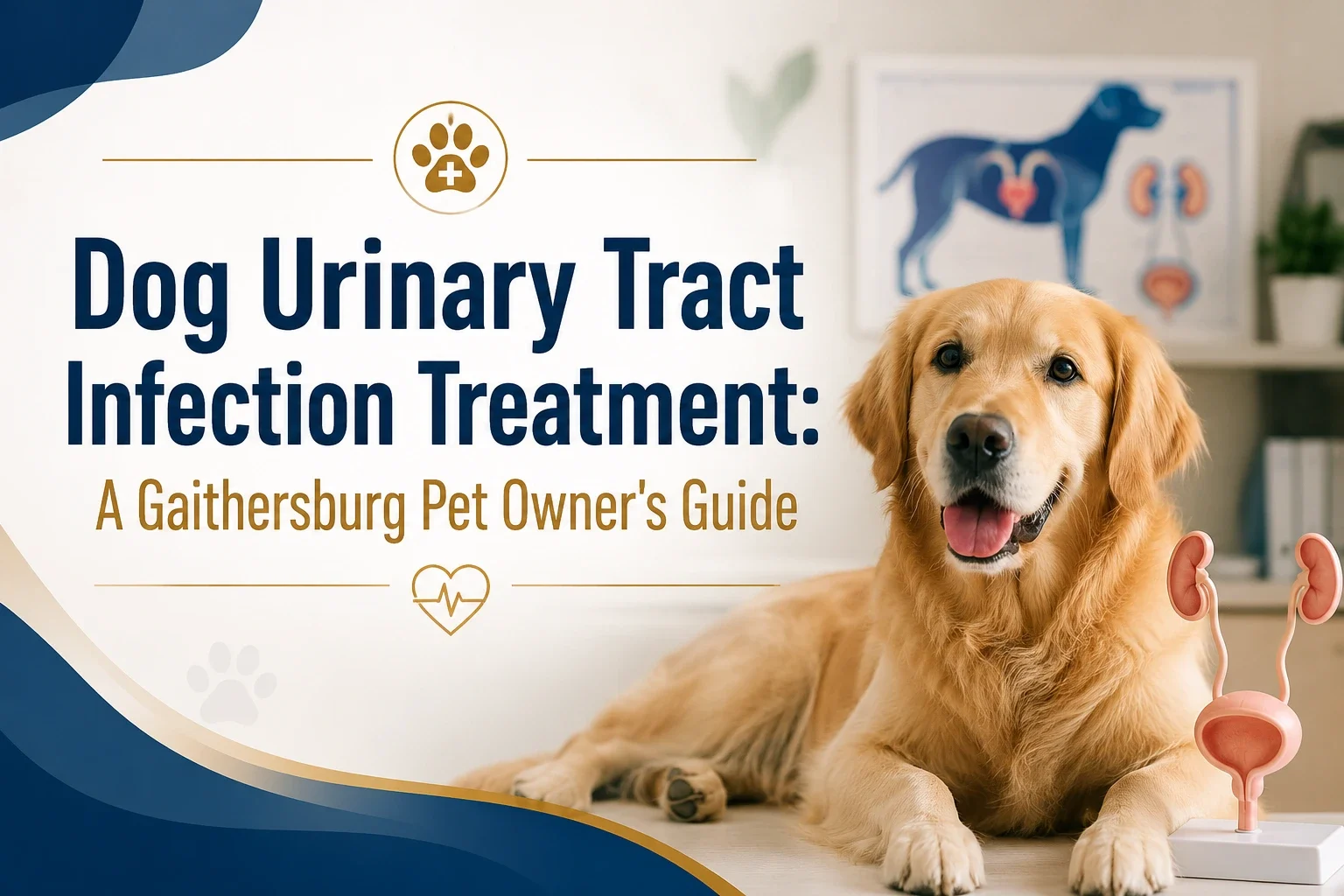
Dog Urinary Tract Infection Treatment: A Gaithersburg Pet Owner’s Guide

A UTI is likely to be a cause if your dog suddenly needs to go outside every hour, strains to pee or has accidents inside the house. UTIs are among the most frequently encountered conditions at Grove Center Veterinary Hospital, and fortunately, the treatment of a dog urinary tract infection is typically simple and highly effective if caught early. From initial vet visit to complete recovery, this guide explains why UTIs occur in dogs, how they’re diagnosed, and what treatment entails.

What is a UTI in Dogs?

UTI’s occur when bacteria normally present on the skin, hair or in the rectum migrate up the urethra and into the bladder. If left untreated, that infection may work its way up and affect the kidneys, a more serious infection known as pyelonephritis. A significant proportion of dogs will experience UTIs at some time in their life, particularly older and female dogs.

Most UTIs are in one of two categories and this is important when it comes to dog urinary tract infection treatment:

  • Sporadic (uncomplicated) UTIs: Only one UTI in a healthy dog.
  • Recurrent or complicated UTIs: UTIs that return or those that happen when there is another underlying medical condition such as bladder stones, diabetes, kidney disease.
  • Book an Appointment

So, what is it that causes UTIs in dogs?

Dogs are particularly vulnerable to most infections; here are some of the reasons, and an understanding of them can pave the way for the appropriate dog urinary tract infection treatment plan from the beginning:

  • Anatomy. The female dog’s urethra is a shorter structure, allowing bacteria to travel upwards easily. A recessed vulva is a particular risk factor in dogs for recurrent infections.
  • Age. UTIs are more commonly seen in senior dogs, either because of a weakened immune system, or another medical condition.
  • Underlying conditions. UTIs can be caused by diabetes, Cushing’s disease and chronic kidney disease.
  • Bladder stones. The stones may irritate the bladder lining and they can trap bacteria, making it more difficult to completely expel them from the bladder.
  • Incomplete bladder emptying. Long periods of urination without the dog getting the chance to go to the bathroom, or neurological problems that disrupt bladder control are risk factors.

It is crucial to determine if this is one of the causes when working on a dog treatment plan for an UTI, particularly for dogs that are experiencing recurrent UTI infections.

Recognizing the Signs

Dogs generally have symptoms that are easily seen, but can be misdiagnosed as a simple accident or “old age.” Watch for:

  • Urinary frequency (frequent urination) or straining to urinate (with minimal output)
  • House soiling problems by a dog that was house trained before the accident occurred
  • Urine that contains blood or is cloudy (urinary hematuria)
  • Urine that has a strong or unusual odor
  • Increased licking of genital area
  • Incontinence or urinating frequently.
  • Having trouble urinating or crying when urinating.
  • Increased thirst

If you see these symptoms, particularly if you are straining and have many small urines, you should consider going to see the doctor soon. Early treatment for a dog’s urinary tract infection helps to alleviate the discomfort quickly, which also helps minimize the risk of the infection reaching the kidneys.

How UTIs Are Diagnosed

Grove Center Veterinary Hospital will typically use the following steps to diagnose a UTI:

  1. Urine tests, to look for crystals, blood, bacteria, and white blood cells in the urine.
  2. Urine culture (if possible) by sterile needle drawn direct from the bladder to determine the actual bacteria present and what antibiotics will be effective.
  3. Blood tests to identify diabetes or kidney disease if it is known that the dog has a problem.
  4. In dogs that have multiple urinary tract infections, imaging (x-rays or ultrasound) to look for stones or abnormalities in the bladder.

While sometimes it’s not necessary for a first-time simple infection, for dogs that have recurring or chronic infections, culture is a crucial part of dog urinary tract infection treatment, because without knowing what type of antibiotic to use, one could leave behind resistant bacteria.

Book an Appointment

The spine of Dog Urinary Tract Infection Treatment is the following:

  1. Antibiotics Dog UTI treatment is the mainstay of antibiotic therapy. Modern veterinary practice encourages short courses, typically 3-5 days, and is mostly antibiotic based with amoxicillin or trimethoprim/sulphadiazine as the first choice. Within a day or two of starting the right medication, most dogs will notice a definite improvement, but it’s important to complete the entire recommended course of treatment, even after symptoms go away, to ensure the infection is completely cleared and to minimize the chance for resistance to develop.


  1. Pain Relief Sometimes antispasmodic or pain relief may be prescribed for a short period of time to help alleviate any bladder discomfort or urgency while the antibiotics are working and to prevent the bladder from becoming overly irritated by the UTI. This is not always indicated, but it can be useful to make your dog feel at ease during the first days of treatment.


  1. Addressing Underlying Causes If the blood tests or imaging tests show an underlying disease of the body, such as bladder stones, diabetes or a kidney disease, an underlying disease must be treated together with the infection. This is one of the most frequent causes of the treatment of UTI in dogs to either fail or become recurrent.


  1. Encouraging Hydration Increasing water intake helps to wash bacteria out of the bladder and thin the urine, reducing irritation. It’s a simple but helpful way of supportive care during treatment that includes encouraging people to drink water, sometimes by using a pet fountain and/or by adding water to food.


  1. Dietary Support A prescription urinary diet might be suggested for dogs whose bladder stones are helping to cause the urinary infections, to help dissolve some types of stones or to prevent their formation. Diet should not be used as an antibiotic, but rather as an important supporting treatment with more complicated cases.


  1. Follow-Up Testing A recheck urinalysis or culture taken around 1-2 weeks after completed antibiotic treatment confirms that the infection has actually resolved. This stage is easy to overlook when your dog is feeling better again, but it’s an essential component of a dog urinary tract infection treatment, particularly if your dog has a history of UTIs.

Managing Recurrent UTIs

If your dog is getting UTIs over and over again, it’s a different problem than a single UTI. Vets usually do the following for dogs that have had three or more infections within a year:

  • Re-culture the urine to check the bacteria and exclude resistance.
  • Examine to check for anatomical problems, bladder stones or hormonal problems
  • Take into account a more extended antibiotic treatment that is based on culture results.
  • Review hygiene, fluid and toilet routines at home
  • Discuss preventative measures: if the underlying factors are not corrected then the next flare up may be postponed but not prevented!

In most cases, a more comprehensive workup of your dog will be the most beneficial long term therapy for UTIs, though it requires more time initially.

What Recovery Looks Like

Dogs with uncomplicated, simple UTIs definitely feel much better within 24 to 48 hours of beginning the proper antibiotic, but the antibiotic will take its full course for the UTI to get better. Depending on the severity of the infection, including kidney infection and/or stones, a longer recovery period may be necessary and several of the above dog urinary tract infection treatments may be required. Monitor your dog’s urine, energy level, appetite, and, during dog urinary tract infection treatment, your veterinarian should be contacted if there is no improvement in symptoms within a couple of days of beginning antibiotic treatment.

When to Seek Emergency Care

If your dog is straining to urinate and very little urine is coming out, this can be a true emergency as it may be a urinary blockage, particularly in males. Do not wait and see if it will go away. Likewise, if your dog gets fever, starts vomiting or becomes more lethargic during the treatment, it means that the infection is probably spreading to the kidneys and requires immediate treatment.

If you’re unsure about when to contact Grove Center Veterinary Hospital, please reach out to us for advice.

If your dog is exhibiting any of the following symptoms, UTI does not mean it will go away on its own, so please don’t wait it out if your dog is urinating frequently, has urinary accidents in the house, or is leaking blood in the urine. Fast treatment of your dog’s Urinary tract infection means that your dog is comfortable and a minor bladder infection will not progress to a more serious condition like a kidney infection. Our Gaithersburg team of professionals is at your disposal to accurately and quickly diagnose the problem and return your dog to normal.

Conclusion

UTIs are not pleasant, but are also one of the more treatable conditions we see – particularly if managed at an early stage. Treatment of a UTI in dogs typically involves the correct antibiotic with the correct length of treatment, sometimes with a urine culture to help determine the proper antibiotic, as well as supportive care such as fluid therapy and pain management, if necessary. If a dog has had the infection more than once, it is important to get to the root of the problem to truly address the issue rather than just managing the symptoms. If your dog is making any indication that she is uncomfortable when she has to go, please contact Grove Center Veterinary Hospital and we’ll help her get comfortable again as soon as possible.

Frequently Asked Questions

  1. Which is the first step in the treatment of the dog UTI? 

A urinalysis is typically the first test performed and sometimes a urine culture may be included to confirm the infection and to identify what bacteria are causing it. This will enable your veterinarian to pick the best antibiotic right away.

  1. How many days does it take to treat dog urinary tract infection? 

The treatment for uncomplicated infections is usually a course of antibiotics lasting 3 to 5 days and most dogs can be seen making a tremendous improvement in 1 – 2 days. If the infection is more complicated or repeated, it may take longer to treat.

  1. Can a dog UTI go away without antibiotics? 

No, prescription antibiotics are necessary to completely eradicate a true bacterial UTI. Dogs will feel better if you provide supportive treatment such as an increased amount of water, but this does not cure the infection.

  1. What are most of the antibiotics prescribed for UTIs in dogs? 

Simple infections are often treated with amoxicillin and trimethoprim-sulfonamide. If possible, your veterinarian will choose the antibiotic that is best suited to the urine culture findings.

  1. What is causing my dog to keep getting UTI’s?

If a UTI is recurrent, there will be an underlying cause, such as bladder stones, diabetes, anatomic differences or a UTI that was not adequately treated. If the cause is identified through a proper work up then it can be treated directly.

  1. Do we routinely order a urine culture? 

Not always. Sometimes it is not necessary to use a test to guide treatment for a dog’s first simple infection. A culture is useful when treatment has failed or is likely to fail in the case of recurrent or complicated infections, and to prevent the development of antibiotic resistance.

  1. Can diet help prevent UTIs in dogs? 

A prescription urinary diet can be beneficial for dogs with bladder stones that is causing urinary infections. Encouraging good hydration, however, is more important than particular food for most dogs.

  1. What are the consequences of a dog UTI if it is not treated? 

If a UTI is left untreated, it can lead to a kidney infection, or in male dogs, to a life threatening urinary blockage. This risk is greatly reduced with timely treatment.

  1. If my dog appears to be getting better and I have been prescribed a complete course of antibiotics, should I complete it?

 Yes, absolutely. While symptoms may rapidly improve, early stopping of antibiotics may leave some survivors of the infection and help lead to a new or resistant infection.

  1. What is the best time to go to the emergency vet when my dog has a UTI? 

If your dog is straining to pass urine and is making very little, is extremely painful, or has a fever, vomiting, or acting lethargic, please contact the clinic immediately – not during your normal appointment.

Pet Wellness Exam, onfographic

The Essential Guide to a Pet Wellness Exam: What to Expect and Costs

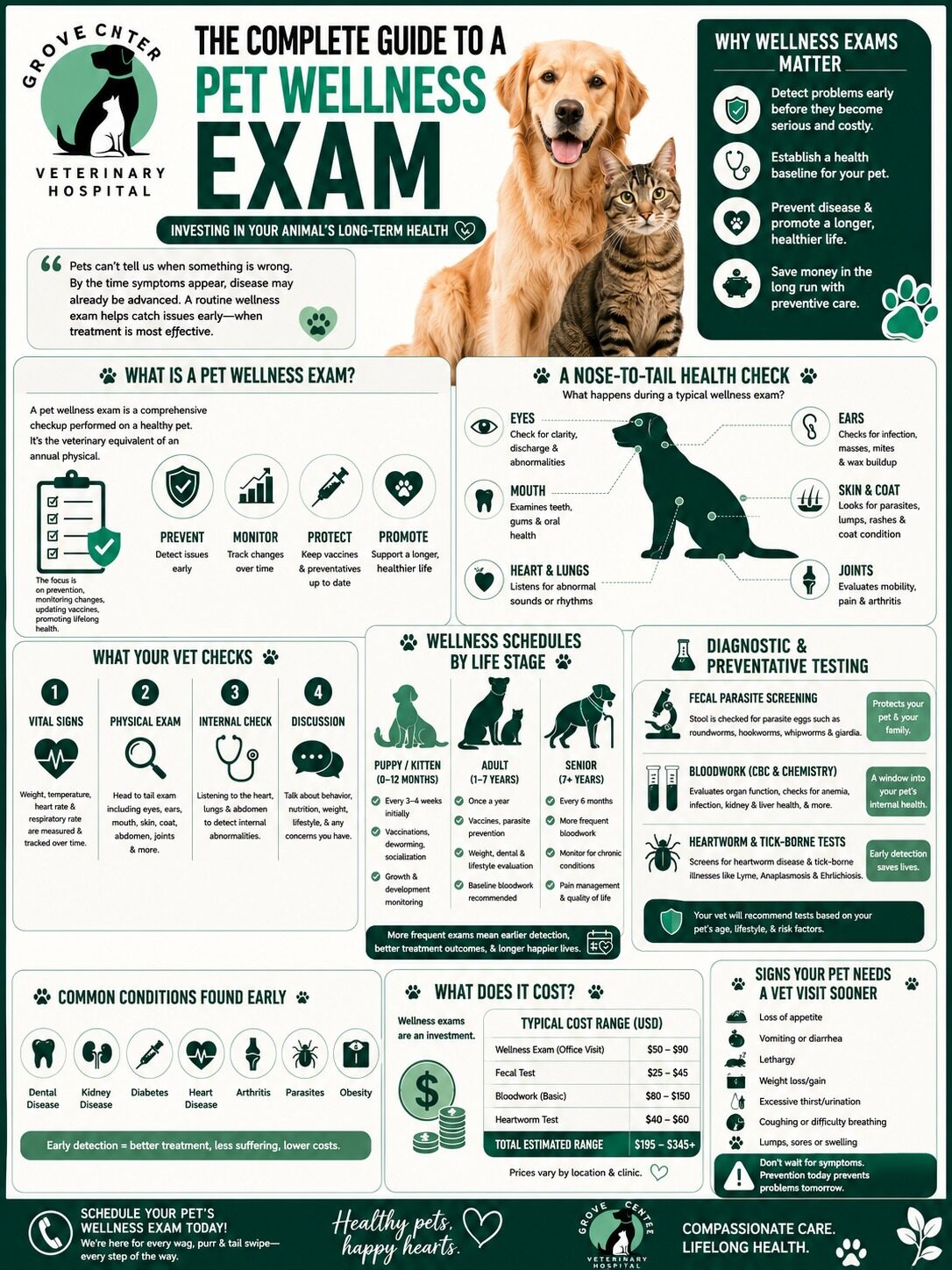
The Complete Guide to a Pet Wellness Exam: Investing in Your Animal’s Long-Term Health

We take a pet into our lives, and we promise to look after them throughout their life. We provide them with cozy beds, good food, lots of love. However, one of the most beneficial things that can be done to help them enjoy a long and healthy life is something that is easily forgotten until they begin to show symptoms of illness: routine pet wellness exams.
Animals are not like humans, who can simply complain if they have a headache, a stiff joint or an odd stomach ache. In the wild, exposing weakness or sickness can lead to targets being set on the animal by predators. Your pet dog or cat still has this primitive instinct. Often a pet’s disease has been advanced by the time it becomes apparent to the owner.
A preventative wellness exam is a proactive approach to identifying and catching any underlying issues in your pet’s health before they become serious, costly medical problems.

So what is a Pet Wellness Exam?

When a vet gives a pet a comprehensive checkup that takes place on a routine basis and the pet is healthy, it is called a pet wellness exam. The veterinary equivalent to a human annual physical exam.
A wellness visit is based on the concept of prevention. A wellness checkup is not about treating a disease once it is established, but about staying as healthy as possible, monitoring physical changes over time, and preventing disease from occurring.
On these visits your veterinarian checks your companion from nose to tail, collects baseline medical information, provides up-to-date vaccinations and keeps current on critical shots, as well as a discussion of behavioral and weight management issues and nutrition. This is a special time to concentrate on wellness, in the absence of an emergency medical situation.

What is a Pet Wellness Exam?

When you take your animal to an extensive wellness exam, there is much more to it than a mere coat check. Your vet will employ a very methodical assessment of all the major systems of your pet’s body. This is what’s involved in a typical nose-to-tail physical exam.

3. The Results and Reporting period.

  • Typically the appointment starts with a veterinary technician taking your pet’s core measurements. They will also evaluate your pet’s weight over time to note any rapid changes, which may be a sign of other metabolic problems such as diabetes or thyroid problems. They will also perform a physical exam and check your pet’s temperature, as well as note the resting heart and respiratory rates.

2. Comprehensive Physical Evaluation

After taking vital signs, the veterinarian will conduct a physical exam. They will examine:

  • Inspect eyes for cataracts, discharge or redness; examine ears for deep canal inflammation, yeast infection and ear mites; and inspect nasal passages.
  • Oral Cavity: Checking gums, tongue and teeth for periodontal disease, heavy tartar deposits and oral masses.
  • Skin and Coat: Examine for external parasites (such as fleas or ticks) as well as skin infections, dryness or abnormal lumps and bumps under the skin.
  • Palpating the joints of the spine, hips and legs, to look for swelling, underlying pain, or limited range of movement which may indicate arthritis.
  • Abdominal Palpation: Lightly pressing on the abdomen to check the size and shape of internal organs, such as kidneys, liver and bladder, without any painful spots or unusual masses being felt.

3. Listening to internal organs

With a special stethoscope, your vet will listen closely to your pet’s thoracic cavity. They listen to the heart to identify abnormal rhythms or murmurs which may be predictive of the progression of cardiovascular disease. They will also hear the sound of the lungs to make sure there are no sounds of fluid, wheezing, or congestion.

Diagnostic/Preventative Testing

A thorough exam goes beyond the outside of the body and requires the full scope of a veterinarian’s examination skills. Internal diagnostic screening is just as important as looking at the outside as it helps to give you a fuller picture of your pet’s health. Your veterinarian will probably suggest a number of routine laboratory tests depending on your pet’s age and activities, such as:

Fecal Parasite Screening

A new stool sample will be needed at your pet’s appointment often. This sample is examined in the laboratory using a microscope to look for microscopic eggs of intestinal parasites such as roundworms, hookworms, whipworms and giardia. Regular screening is important family safety since many of these parasites are zoonotic (can be transmitted from animals to humans).

Blood Chemistry and Complete Blood Count (CBC)

Wellness bloodwork is like a window into your pet’s biochemistry. RBC, WBC and platelets are examined during a CBC to rule out hidden anemia, active infection or clotting problems. The blood chemistry panel measures organ function and measures levels of certain enzymes to assess the liver and kidney clearance of body waste.

Testing for heartworm and vector-borne diseases.

A quick blood test can help determine if your pet has been exposed to heartworms, a serious disease that is spread by mosquitoes. In many areas, the same test is used to check for the presence of common tick-borne diseases including Lyme disease, Anaplasmosis and Ehrlichiosis.

Wellness Schedules by Life Stage are recommended.

Animals’ medical requirements change significantly throughout their lifespan. A pet’s age is much different than a human’s, and one year in a pet’s life is a long time in human years. Your pet wellness exam plan should be consistent with your pet’s life stage for optimal care:
The following information is provided as a guideline.
The following is a wellness schedule that is recommended by life stage.
Animals’ medical requirements change significantly throughout their lives. Pets age at a much accelerated pace as compared to humans, meaning that one calendar year is a big portion of their lifetime. For optimal care, you should schedule the wellness exam for your pet to coincide with his or her life stage:

Life Stage

Age Range

Exam Frequency

Primary Focus Areas

Puppy & Kitten

0 to 1 Year

Every 3 to 4 weeks until ~16 weeks old

Vaccine series, parasite deworming, spay/neuter counseling, behavior and growth tracking.

Adult Pet

1-7 Years

Annually (Once per year)

Core vaccine boosters, weight management, early dental disease tracking, baseline blood work.

Senior Pet

7+ Years

Bi-annually (Twice per year)

Managing arthritis, comprehensive blood panels, blood pressure monitoring and checking for vision or cognitive changes.

Small dog breeds and cats are seniors at about 8-10 years of age, giant breeds like Great Danes and Mastiffs are seniors at about 5-6 years.

What is the cost of a Pet Wellness Exam?

Depending on your location, your pet’s size and the tests that are needed for their age, the cost for a wellness exam may differ.
The average cost of the physical examination alone is $50 to $100. A comprehensive pet wellness exam package that includes recommended preventative care components will cost $150 to $450.
Let’s dissect the average expenses of a full wellness checkup:

•     Base Physical Exam Fee: $50 – $100

  • Routine Annual Vaccines: $40 – $90 (depending on which boosters are needed)
  • A Heartworm Screening Blood Test is $45-$75.
  •  Fecal Parasite Testing: $35 – $60
  • This blood panel provides a comprehensive evaluation of wellness levels.
  • This blood panel looks at the full picture of wellness levels, $100-$250.

It is easy to spend a few hundred dollars on a healthy looking animal, but much cheaper than spending a lot of money on treating a late-stage illness. For instance, if you know you are starting to experience kidney decline in your pet at an early stage, and you have a general check-up, you can manage it easily and at a reasonable cost with a therapeutic diet. Failure to do so can result in acute renal failure which may necessitate emergency hospitalization and intensive fluid therapy; the cost of these procedures could exceed thousands of dollars.

Preparing Your Pet for their Exam.

Going to a veterinary clinic can be a stressful experience for both cats and dogs. Strangeness of the unfamiliar smells, barking dogs, and handling by strangers can result in anxiety. Fortunately, there are a number of steps you can take to ensure the furry exam is as smooth as butter for your furry friend:

  • Acclimatize the Carrier: If you’re travelling with cats and small dogs, let the travel carrier out in your home several days before the appointment. Do not use the carrier as the only vehicle for transporting high value items or familiar bedding to avoid negative associations.
  • Handle at Home: Regularly touch your pet’s paws, look into your pet’s ears and lift their lips to check their teeth. They will be less apt to show signs of being defensive when the veterinarian will be doing the same moves during his/her pet wellness exam if they are accustomed to it at home.
  • Bring Favorite Treats: If your veterinarian has not specifically asked you to withhold food from your pet for certain blood tests, pack a bag of their favorite, irresistible treats to give them throughout the physical exam.
  • Take some notes ahead of time: Record any minor behavioral changes that you’ve observed at home, like variations in water use, sleep or energy. If your veterinarian ordered a stool sample for parasites, take a new specimen.

Conclusion

The foundation of being a good pet owner is to have a pet well visit at regular intervals. It’s a step from a healthy “guess” to a healthy “inside” animal. These regular checkups enable your veterinarian to establish a medical history of your pet for the rest of his life, plan a safe vaccine program and detect serious medical problems well before they start to cause pain.
A few moments and dollars spent on routine examinations now can help you give your pet the most important gift—the one it will always cherish: a pain-free life, a dog life, a cat life, active and long by your side. If your pet has not been checked out by your veterinarian in the past year, give your local veterinarian a call today to schedule a thorough pet wellness checkup.

FAQs:

Why do healthy animals need a pet wellness exam if they don't look sick?

Pets are hard-wired to mask their pain and disease to keep from getting hurt. A wellness exam is when a veterinarian can detect early kidney disease, heart murmurs or even the onset of arthritis or other problems that are invisible or barely noticeable to you and your dog.

What's the primary distinction between a pet health visit and an emergency visit to the veterinarian?

A wellness exam is only for prevention, screening, vaccines and ongoing health monitoring of an outward appearance healthy pet. Emergency/Sick Visit is a reaction appointment to diagnose and treat a specific acute illness, injury or urgent medical problem.

3. When is it a good time for older pets to get a pet wellness exam?

For senior pets (animals 7 to 10 years of age or more, depending on breed size), the visit will be twice a year (bi-monthly), and is strongly recommended by veterinarians. Changing to a senior dog’s body happens more quickly than in younger dogs, and while arthritis, cancer and organ failure may not be a problem, it can still be serious and become more active during your dog’s golden years.

4. Do routine vaccines always come with the pet wellness exam?

No, vaccines are usually charged by the shot in addition to the fee for a physical. Many veterinary clinics, though, combine core lifestyle vaccines with routine diagnostic lab tests into the one discounted annual wellness package, which should help reduce the overall cost to the pet owner.

5. Is it ok to not test for fecal parasites when getting a pet wellness exam if my pet stays completely indoors?

It is not recommended to skip this test. Indoor pets can still easily contract internal parasites. For instance, shoes can track parasite microscopic eggs indoors, mosquitoes can bring heartworms inside, and indoor cats can ingest fleas carrying tapeworm larvae. Regular diagnostic screenings ensure your entire household stays safe from parasitic transmission.