 grovercentervet
The Complete Guide to a Cat Wellness Exam: Why Every Cat Owner Needs One
Cats hide their illness with style, and that’s why one of the best ways to care for your cat is to have a cat wellness examination. Cats are often not outwardly showing signs of pain or disease until it is really quite advanced, so the best way to detect an issue early is to schedule a cat wellness exam. A cat wellness exam is a great time for your veterinarian to examine all of your cat’s systems before problems begin to arise; whether your cat is a playful kitten, an independent adult or a slowpoke senior cat, it’s a perfect time to check all of your cat’s systems.
Here at Grove Center Veterinary Hospital, we know how having a regularly scheduled cat wellness check-up can directly contribute to the length and quality of a cat’s life, and the peace of mind of its owner. This step-by-step guide will cover everything you need to know about a cat wellness exam including why it’s important, what to expect during the exam, when to schedule a wellness exam, when to avoid waiting for one, and how to prepare for the exam so your cat can make the most of it.
Why a Cat Wellness Exam is Even More Important Than You Think!
A cat that is weak is preyed upon by other animals in the wild, and that is still true in your home, even if your cat naps on a heated windowsill. That’s why it’s so important to have a wellness checkup—your veterinarian will get an opportunity to pick up on the subtle changes that even the most attentive cat owner may not notice.
During a comprehensive cat wellness exam, your veterinarian may discover the following early signs of:
- Most cats will develop dental disease and gum inflammation by 6 years of age.
- Chronic kidney disease (CKD) is a very common disease in older cats.
- Hyperthyroidism and other hormonal disorders.
- Obesity and joint or metabolic stress associated with obesity.
- Heart murmurs or abnormal rhythms (arrhythmia).
- Fleas, ear mites and other external parasites.
- Older cats that are unable to see or hear properly.
Many of these conditions can silently develop for months or years, without ever presenting a problem at home, unless there is a regular cat wellness exam. Preventive care (via cat wellness exam) is almost always less taxing on your budget, and less stressful for your cat, than trying to treat an illness at an advanced and emergency stage.
During a Cat Wellness Exam
A cat wellness exam may be stressful for you and your cat if she’s never had one before, so it’s important to know what to expect to help calm her down. During a routine cat wellness checkup at Grove Center Veterinary Hospital, your veterinarian will examine your cat for:
- A thorough physical exam.
Your vet will examine your cat’s eyes, ears, teeth and gums, skin and coat, joints and abdomen from nose to tail. From a small lump to a tender spot on the belly, this hands-on component of the cat wellness exam is the place where first indications of a possible problem may emerge.
- Weight and Body Condition Score.
Tracking weight is vital to any cat wellness exam. Cats can gain or lose weight over time, and owners may not notice the changes, which is why you should have regular weight checks with your vet to check for any changes in your cat’s body condition score.
- Auscultation of the heart and lungs.
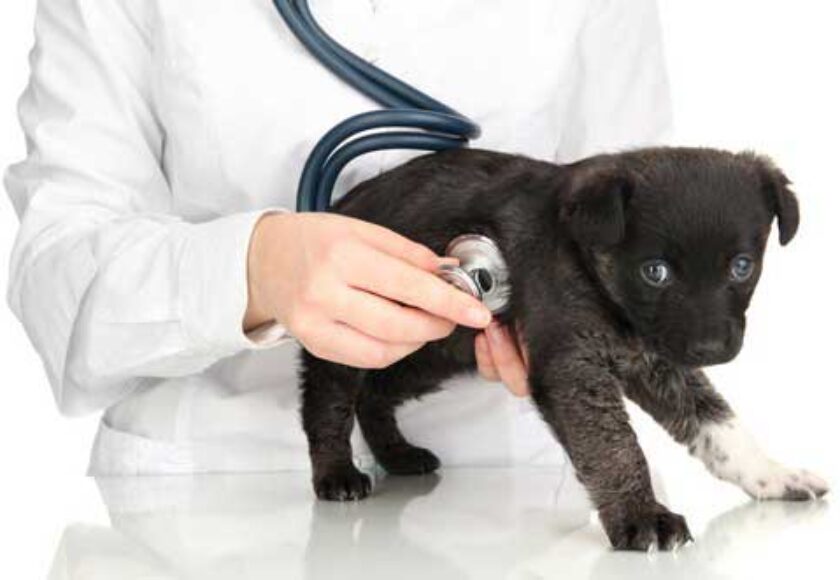
Your veterinarian carefully examines your cat’s heart and lungs with a stethoscope. This component of a cat health checkup is short but vital, as cats often do not show signs of cardiac problems until they are in a serious state.
- Dental Assessment.
Cats are almost always examined for their teeth and gums during a cat wellness exam as it is very common. If you are able to treat tartar buildup and gingivitis as soon as they are discovered, then you won’t experience the pain of having to pull teeth out later.
- Vaccinations and Parasite Prevention.
A cat wellness exam is a good time to consider core vaccines and discuss flea, tick and parasite prevention depending on your cat’s age, lifestyle and indoor/outdoor activities.
- Bloodwork and Diagnostic Testing.
Blood work may also be performed during a cat wellness exam to evaluate kidney and liver function, blood cell counts, and thyroid levels, as many problems in cats don’t present as external symptoms until they are more advanced, particularly for older cats and adults.
- A discussion of behavior and lifestyle.
A complete cat wellness exam isn’t only about the physical body. Your veterinarian will inquire about changes in litter box patterns, appetite, water consumption and changes in behaviors, as these little things can point directly to a health problem.
How do I know when to schedule a Cat Wellness Exam?
Determining the correct exam frequency for a wellness examination will depend on your cat’s age and health:
- Kittens (less than 1 year): Cat wellbeing check every 3-4 weeks, until vaccinated series is complete, and then annual check-ups.
- Adult cats (1-7 years old): One wellness exam per year is usually sufficient for healthy cats.
- Cats over 6 years old (seniors): For senior cats, it is advisable to have a wellness exam every 6 months as age related diseases such as kidney disease and hyperthyroidism can develop rapidly.
If your cat has a chronic condition, your vet may suggest a more regular schedule of cat wellness exams to help monitor the necessity of continuing treatment and the effects of medications.
Sticking to this beat ensures that your cat’s health is never put in question. Regular visits to the veterinarian also help your vet notice small changes from one year to the next in your cat’s weight, bloodwork, mobility, and the like.
Signs that your cat needs a checkup sooner than scheduled
A normal cat health check-up will have a set schedule, but some signs indicate that you should not postpone the next scheduled check-up. If you see any of these signs, call Grove Center Veterinary Hospital immediately:
- Sudden weight loss or gain
- Notice of unusual or excessive drowsiness or sleepiness
- Appetite or thirst changes
- If they vomit, have diarrhea or strain in the litter box
- Stiffness or reluctance to jump
- Too much grooming, scratching or loss of fur
- Pawing at the mouth, drooling or bad breath
- Difficulty breathing, coughing or sneezing
If any of these signs are present, a cat should be seen sooner than later, because a cat is likely to be in a more advanced stage of illness if it shows these symptoms.
How to Prepare for Your Cat’s Wellness Exam
With a little preparation, a cat wellness exam will be smoother and more productive for everyone involved:
- Record any changes that you have observed: appetite, energy, litter box behavior, or new behaviors.
- If a stool or urine sample is required to be collected by your veterinarian for screening, bring a stool or urine sample.
- List current medications/supplements and dosages.
- Record the food your cat eats, treats and changes in food.
- A secure and familiar carrier is used and a calming spray to reduce car and clinic anxiety is considered.
You can help your vet’s team get the most out of your appointment by arriving with a few questions in mind that will make the most of the time dedicated to the cat wellness exam.
What Does a Cat Wellness Exam Cost?
Wellness exams for cats are dependent on your cat’s age, what tests are performed, and where you are. A basic wellness exam is the least expensive, and bloodwork and vaccinations or dental cleaning will increase these prices. Grove Center Veterinary Hospital and other veterinary clinics provide wellness packages, which include regular check-ups, vaccinations, and screenings, all in one place for a predictable cost, to help you better plan for your cat’s future health care.
So why should you choose Grove Center Veterinary Hospital for your cat’s wellness exam?
All cats do not have the same type of wellness exam. We employ a gentle, comprehensive and cat-friendly method of examining your cat’s health at Grove Center Veterinary Hospital that combines hands-on inspection with the latest diagnostic technology that is designed to minimize stress for your feline patients. We feel that a cat wellness exam should answer your questions and give you a plan, and not more questions! We want to establish a relationship with you and your cat so that each visit, we can benefit from more information about your cat’s history and trends in health.
If you haven’t taken your cat to a wellness exam in a while, now’s the time to do so and provide your cat with preventive care that it deserves.
Conclusion
One of the most important things you can do for your cat’s long-term health is to get your cat a wellness exam, particularly when cats have the ability to finesse their way out of trouble. Vet check-ups can make a big difference in the life of your cat, from early detection of kidney disease to early recognition of a heart murmur before it becomes problematic. Regular cat wellness exam routine is good for kittens, adults, and seniors, and understanding when to seek a cat examination sooner than scheduled can make all the difference. Don’t let a minor problem get more serious, call Grove Center Veterinary Hospital to set up your cat’s next appointment and help your cat get the healthy life she deserves.
Frequently Asked Questions
How many times a year should I take my cat in for a wellness check-up?
Most healthy adult cats should have one exam a year, kittens should have more regular check-ups in their first year, and senior cats should have a check-up every six months.
What does a routine examination of cats include?
A routine feline health checkup will consist of a physical exam, weight check, check of the heart and lungs, dental exam, vaccine history review, and sometimes blood tests and/or parasite screen.
What is the price of a cat physical?
The price of a wellness exam for a cat can vary based on what is included in the exam, such as a routine check-up or an exam that includes bloodwork, vaccines, and/or dental care. Grove Center Veterinary Hospital will be able to give you a custom price.
What diseases can be detected early with a cat wellness examination?
Yes. A cat wellness checkup can detect problems such as kidney disease, hyperthyroidism, dental disease and heart disease before they get worse; it may be done through physical exams and blood tests.
What can I expect to have to bring to my cat’s wellness exam?
If your vet asks to bring a stool sample, urine sample, and/or a list of symptoms or behavior changes, you should do so to help your vet maximize the cat wellness exam.
Does my cat need a wellness checkup if he or she appears healthy?
Yes. A cat wellness exam may find problems that are not apparent to the cat’s owner, even if the cat looks like it is healthy.