 grovercentervet
Veterinary Services: Science, Care & Innovation
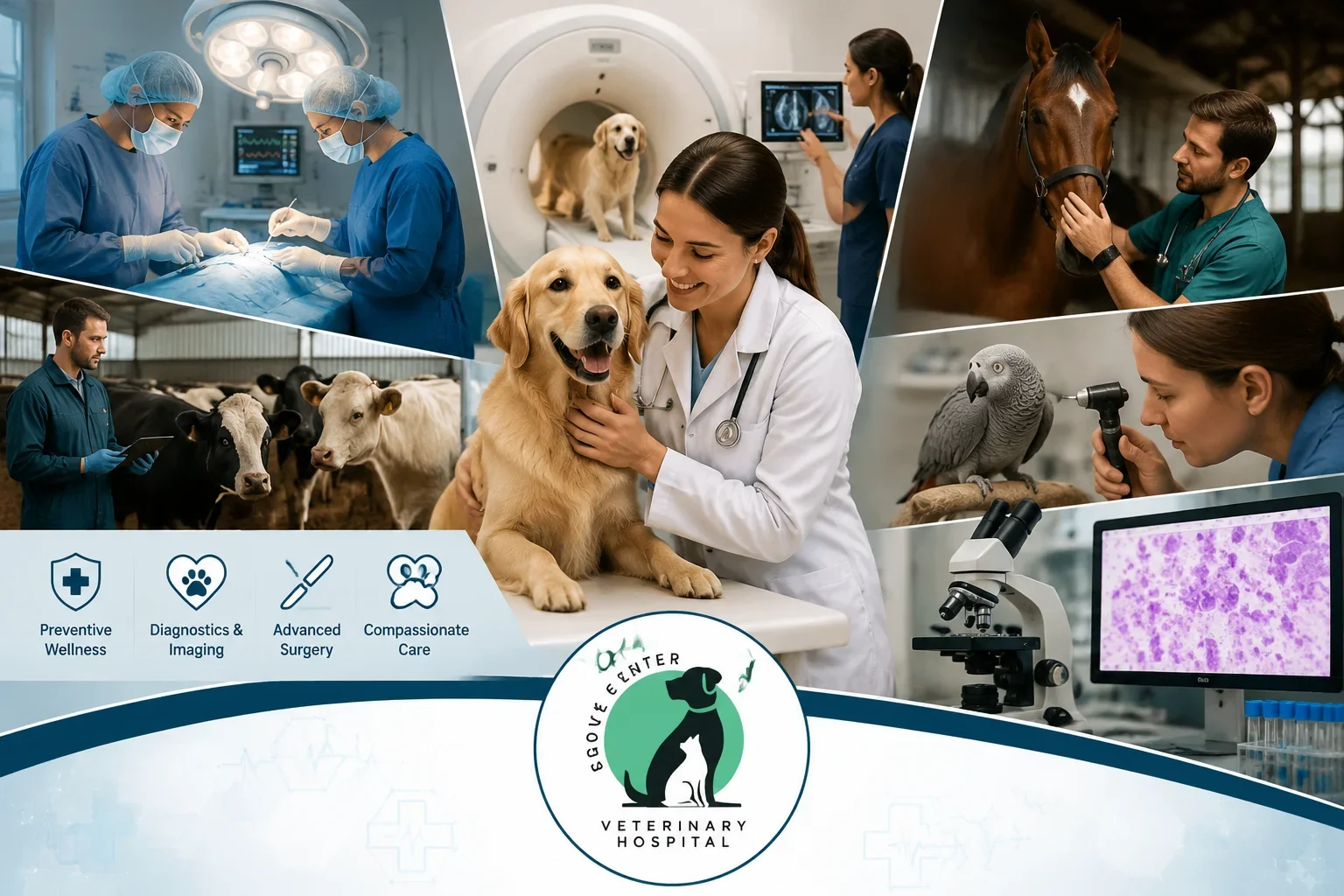
Veterinary services play a fundamental role in the world of animal health, public safety, agricultural security, and the human-animal bond. Today’s veterinary medicine is more than a matter of routine check-ups and basic health care; it’s a vast landscape of preventive clinical treatment, sophisticated diagnostic testing, leading-edge surgical specialties and far-reaching public health programs. From protecting pets in the home to implementing biosecurity measures in agriculture to conserving endangered species, veterinary services are critical in today’s society.
1. Defining Veterinary Services
Veterinary services include any medical, surgical, diagnostic or preventative care that a trained medical professional provides for animals. These care teams can include licensed doctors of veterinary medicine (DVMs or VMDs), credentialed veterinary technicians, veterinary assistants and practice managers who provide quality veterinary medical care to patients.
The concept of “One Health” and Core Objectives.
The main purpose of veterinary medicine is to prevent, detect, and treat injuries, diseases and systemic disorders in all animals. In addition to clinical treatment, veterinary medicine is also strongly related to human health, particularly through the One Health approach, which is a collaborative approach that transcends the boundaries of veterinary and human medicine, and takes into account the health of the environment.
of the environment.
Veterinarians are first-line protectors when it comes to zoonoses—diseases that jump from animals to humans like rabies, Lyme, avian influenza, brucellosis and leptospirosis. Disease surveillance in domestic animals, livestock and wildlife is a way to prevent the spread of disease in human communities before it can reach epidemic levels.
-
The two main categories of veterinary services.
There are several areas of veterinary practice that are specialized for specific types of animals in different settings and for different physiological needs.
Care of a companion animal
Companion animal medicine concentrates primarily on the domestic pets of the home, such as dogs and cats, rabbits, ferrets and small rodents. As pets become a part of the family, companion animal clinics make up the largest portion of private practice in the world.
Preventative Wellness Programs: Annual or biannual physical exams, tailored vaccination plans, weight checks, and age-specific blood tests.
Heartworm, Flea, Tick, Intestinal Parasite, and Mite Control: Sustaining the protection from heartworm, flea, tick, intestinal parasites and mites.
Routine elective surgeries: Spaying and neutering, soft-tissue surgery, benign mass removals.
Full dental services: Professional ultrasonic cleaning and polishing, 2D dental imaging and treatment for periodontal disease.
Medical and Research aspects of Food Animal and Livestock Medicine.
Large animal and production veterinarians specialize in the treatment and care of agricultural animals, such as cattle, swine, sheep and goats, and poultry. This branch ensures the well-being of individual animals while also taking into account the herd’s dynamics to guarantee a secure and sustainable food supply.
Herd and Flock Health Management: Development of herd-wide vaccination protocols, optimized feeding plans and strict biosecurity guidelines.
Reproduction and Genetics: Artificial insemination, embryo transfer, pregnancy diagnosis by ultrasound and dealing with difficult births (dystocia).
Supply Chain and Food Safety: Supervised antibiotic usage, milk quality and slaughter facility compliance to ensure consumer safety.
Equine Services
Equine medicine is tailored to horses, ponies, donkeys and mules. Their care is a mix between companion care and livestock care, as they are used for a variety of purposes, including athletics, as work animals and as pets.
Lameness and Sports Medicine: Advanced motion analysis, joint injections, diagnostic nerve blocking and special shoeing plans.
Equine Dentistry: Floating teeth, sharp enamel points and treatment of complicated dental or sinus infections.
Colic & Gastrointestinal Management: Emergency abdominal surgery for intestinal blockages, medical stabilization and rapid diagnostic assessment.
Exotic, Zoo and Wildlife Medicine
The care of non-traditional pets (reptiles, birds, amphibians and exotic mammals), captive zoo animals and free-ranging wildlife will differ because of their unique anatomy, metabolism and environment.
Avian and Exotic Pet Medicine: Specialized blood panels for diagnosis, environmental/habitat evaluations and beak or wing trims.
Conservation and Field Biology: To assist reintroduction initiatives, monitor diseases in wild animals and to maintain genetic diversity.
-
Specialized Clinical Disciplines
As veterinary medicine has progressed, so have clinical practices become specialised, like in human medicine.
Advanced Diagnostics and Pathology
Effective treatment is based on a good clinical assessment. In modern veterinary hospitals, there is advanced diagnostic equipment:
In-House Laboratory Facilities: Automated blood chemistry, hematology analyzers, urinalysis, and point-of-care infectious disease tests.
Diagnostic imaging: digital radiography, high-resolution ultrasound, computed tomography (CT) and magnetic resonance imaging (MRI).
Pathology and Cytology: Fine-needle aspirate analysis, biopsy and histopathology for the diagnosis of tumors, infections and autoimmune diseases.
Specialty Surgery and Oncology
Specialists with board certification treat high-complication cases referred by general practitioners:
Orthopedic Surgery: Total joint replacement, fracture fixation, ligament repair (TPLO or TTA surgery for canine CCL tears).
Soft-Tissue and Reconstructive Surgery: Thoracic surgery, oncologic tumor resections, skin grafts, and vascular abnormality repairs.
Veterinary Oncology: Diagnosing cancer at an early stage, treating cancer with focused chemotherapy, managing radiation therapy and arranging palliative hospice care.
Emergency and Critical Care (ECC):Emergency veterinary clinics are open 24 hours a day, 7 days a week, to provide constant services for acute injuries and sudden severe diseases: Triage and Stabilization of Motor Vehicle Accidents, Severe Fall, and Bite Wounds.
Acute Illness Management: Management of Gastric Dilatation-Volvulus (bloat), toxic substance ingestions, severe foreign body blockages and feline urethral obstructions.
Intensive Care Unit (ICU): Monitoring of blood gases, automatic intravenous fluid delivery, mechanical ventilation and oxygen therapy.
-
The Value of a Wellness Exam. 6. The Advantages of Proactive Health Care.
Regular, preventive veterinary visits are always more effective – and a lot cheaper – than treating late-stage disease and illnesses.
| Care Support | Intervention Support | Primary Long-term Benefits |
|---|---|---|
| Preventative | Vaccinations, parasite control, wellness exams | Prevents zoonotic risks to owners and fatal infectious diseases. |
| Dental Care | Annual scalings, polishings, home brushing programmes | Prevents serious periodontal disease and minimises secondary damage to organs such as the heart and kidneys. |
| Nutritional | Calorie planning, body condition scoring, therapeutic diets | Helps reduce the risk of obesity, diabetes, and overloading of joints. |
| Geriatric | Bi-annual screening, mobility assessments, pain management | Increases lifespan, detects early signs of organ failure, and improves the quality of life for older pets. |
-
Innovations, which change the face of veterinary medicine.
Advancements in technology continue to raise the bar on the standards of animal care and increase the access, speed and accuracy of care throughout the field.
The use of Telehealth and Remote Monitoring.
Virtual veterinary consultations can be used for initial triaging, review of routine recovery progress, behaviour assessments and answering basic questions regarding care without the stress of unnecessary travel.
Wearable Health Technologies
Sensors embedded in collars, harnesses or halters track heart rate, breathing patterns, activity levels, sleep balance and body temperature on a continuous basis. This information not only notifies vets that something may be wrong with the animal, but also tells them before the physical symptoms are apparent that it is experiencing pain, stress, or illness.
Regenerative and Precision Medicine.
Currently, stem cell therapy, platelet-rich plasma (PRP) therapy, and cold laser therapy are increasingly applied to the treatment of chronic osteoarthritis, tendon injuries and non-healing wounds in horses and companion animals, helping them to recover faster with minimal dependence on heavy chemicals.
-
How to select the best veterinary services provider
When looking for a vet clinic for your animal, the most vital thing to consider is the medical needs that you are looking for, and then finding a clinic that will meet them.
Facility Standards and Accreditation: Be sure the facility is accredited by a recognized regulatory body or a voluntary accreditation organization like the American Animal Hospital Association (AAHA). These standards are applied to sanitary procedures, diagnostic equipment and rules of surgical safety.
Communication and Staff Culture: Select a veterinary team that is good at communicating information about treatments, respects owners’ choices, openly discusses cost estimates, and is sensitive to animals’ emotions.
Emergency Care Pathways: Inquire if the facility has overnight hours, or has direct referrals with local emergency care centers that are open 24 hours a day.
-
Financial Consideration of Veterinary Services
Financial responsibilities of animal medical care management are crucial to providing regular and continuous medical treatment throughout the animal’s life.
Pet Health Insurance: Protects against unforeseen accidents, sudden illnesses and significant surgery, and avoids a financial burden in case of a medical emergency.
Preventative Wellness Plans: Many clinics have an annual wellness plan that covers routine check-ups, vaccinations and dental cleaning that are spread out over time into easier monthly payments.
Veterinary Emergency Funds: It is important to keep a separate personal savings account for emergency veterinary situations to make sure that financial limitations do not affect decisions that need to be made immediately.
Conclusion
Veterinary services play a crucial role in safeguarding animal health, promoting human welfare, and maintaining the bond between humans and animals. Whether it’s routine preventative care, diagnostic testing or complex emergency care and special treatments, veterinary services are provided for the entire animal’s life cycle. Partnering with a trusted veterinarian team is the greatest investment that an animal owner could make for the long-term health, vitality and well-being of their animal.
Frequently Asked Questions (FAQ)
Q1. What’s covered in a regular vet checkup?
The routine checkup involves a thorough physical examination of eyes, ears, skin, mouth, heart, lungs, abdomen and joint mobility. It also includes necessary vaccines, parasite testing (including fecal and heartworm exams), body condition score, and dietary or behavioral advice.
Q2. How much should my animal be examined by a veterinarian?
Pets and production animals should have a professional health check-up at least once a year. Puppies, kittens, older pets and pets with chronic medical conditions usually need more routine care, usually every 3–6 months, to keep a close eye on their condition and fine-tune their treatment.
Q3. If my pet has an emergency, what should I do?
In case of an emergency, remain calm and immediately call the closest open veterinary services or emergency animal hospital. Make a call to the clinic before arriving to ensure the necessary equipment is ready when you arrive and follow any special instructions for handling and transporting an injured or distressed animal.
