grovercentervet
In-House Pet Blood Work Near Me: Fast, Accurate Answers for Your Pet’s Health
As your pet gets sick, time passes quickly. Your dog is not eating, your cat is drinking a lot more than normal, or your senior dog “just isn’t himself. You want to know — you want to know right now. This is one of the reasons why many worried pet owners are looking for in-house pet blood work near me and for a veterinary hospital to perform tests in-house instead of waiting days for the results.
At Grove Center Veterinary Hospital in Gaithersburg, Maryland, on-site diagnostics are part of how we care for our patients. This guide will explain why in house blood testing is performed, the common tests that are done, when your pet might need it, and what to expect when you come in.
The short answer is “your veterinary office does blood tests with their blood testing equipment rather than sending the blood tests to a lab.” Many of the common results are available the same day and may be available in a matter of minutes or hours. The speed allows veterinarians to make more timely accurate diagnoses, initiate treatment earlier and more safely administer anesthetic and pharmaceuticals.
What Does In-House Pet Blood Work Mean?
Blood work is the name given to a series of tests that are carried out on a small amount of blood taken from your pet. In house testing is when the sample is processed in the hospital with the same staff that processed it with your pet. This on-site laboratory eliminates shipping, courier delay and sometimes overnight waiting time. The veterinarian can discuss the results with you as you are waiting for your pet while providing an explanation and direction.
This is their primary reason for searching for “in house pet blood work near me” in a search bar. They want clarity as soon as possible from a team that knows their pet.
Common Tests Included in Pet Blood Work
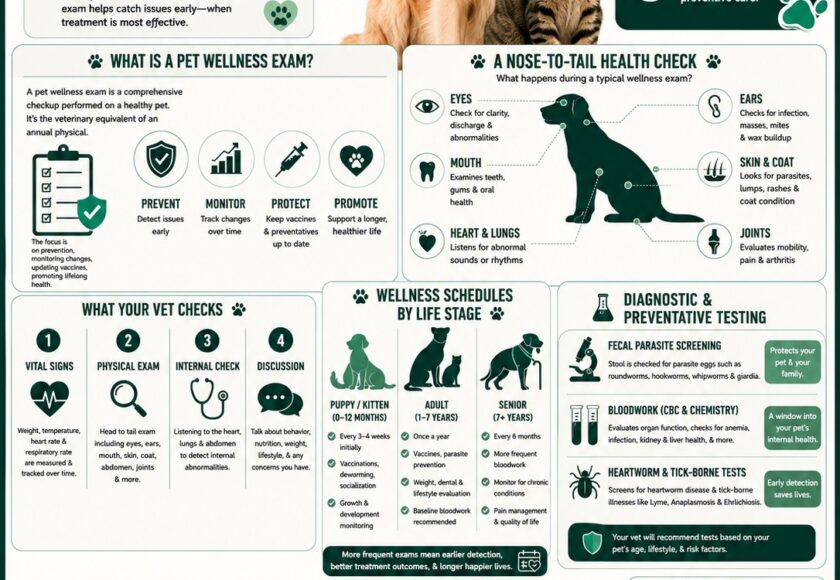
Blood work is a range of tests. It is a collection of tests which together demonstrate the functioning of your pet’s system. The most common are:
- Complete blood count (CBC): Red cells, white cells and platelets. It aids to diagnose anemia, infection, inflammation and clotting disorders.
- Chemistry panel: tests the liver, kidneys, pancreas, blood sugar, protein and more. Can show organ disease or diabetes.
- Electrolytes: Monitor minerals (sodium, potassium) needed for hydration, heart and muscle function.
- Thyroid testing: Tests the level of thyroid hormone. Low values occur in dogs and high values in older cats.
- Heartworm and tick-borne disease screening: A short blood test to determine if the dog has parasites and tick-borne disease.
A few special tests can be ordered and sent to an outside reference laboratory if additional detail is necessary. Your veterinarian will tell you which tests can be performed at your practice, and which need to be analysed elsewhere.
The reason why fast results are important.
Fast is more than a convenience. In many situations it can make a difference. If your pet is vomiting, weak, or in pain, the information you give your veterinarian is valuable and can help guide your treatment choice immediately, rather than make a guess. There are several ways in which fast results can help:
- Rapid diagnosis of emergency conditions like dehydration, kidney failure or infection.
- Treatment at an earlier stage (fluids, medication or hospitalisation if required)
- Less waiting and worry for you, and answers during this visit, if possible
- Fewer follow-up trips as decisions can be made at the time of the trip
You may have been looking for in house pet blood work near me, and you are concerned that your pet is very sick, contact us immediately! Don’t let the symptoms get worse.
When should I have my Pet’s Blood Work?
Blood tests are helpful at all ages. In these circumstances, your vet might suggest it:
- Annual wellness exams: Healthy pets enjoy baseline results, and can detect subtle changes early.
- Senior pet screening: Older pets are more likely to develop kidney, liver and thyroid disease so the screening is often recommended twice a year.
- Vomiting, diarrhea, lethargy, loss of appetite, excessive thirst or sudden weight loss are all indications of illness or emergency that are good reasons to test.
- Prior to surgery or dental treatment: Pre-anesthetic blood tests determine that important organs will tolerate anesthesia well.
- Monitoring medications and chronic disease: Pets that are on medication for a long period of time or pets that have diabetes, kidney disease or thyroid disease, require rechecks.
What are the reasons for using In-House Pet Blood Work and not an outside laboratory?
There are benefits to both on-site testing and outside reference laboratories, depending on the type of tests required, but on-site testing is especially advantageous for routine and urgent testing. Results arrive sooner. Your veterinarian can make an immediate comparison between them and the results of your pet’s exam. Your pet is cared for by one team from beginning to end, ensuring that no one is involved in any part of their care.
Grove Center Veterinary Hospital is a full service small animal hospital that provides medical, surgical and dental services and has onsite diagnostics along with digital X-rays. You can look up in house pet blood work near me, and if you find a facility that offers this service, you save your pet time and stress, and save yourself time as well since you can get all lab work, imaging and treatment done in one place.
During the visit, what to expect.
Most pets tolerate the collection of blood with no problem and the process is fast. This is the way it typically works out:
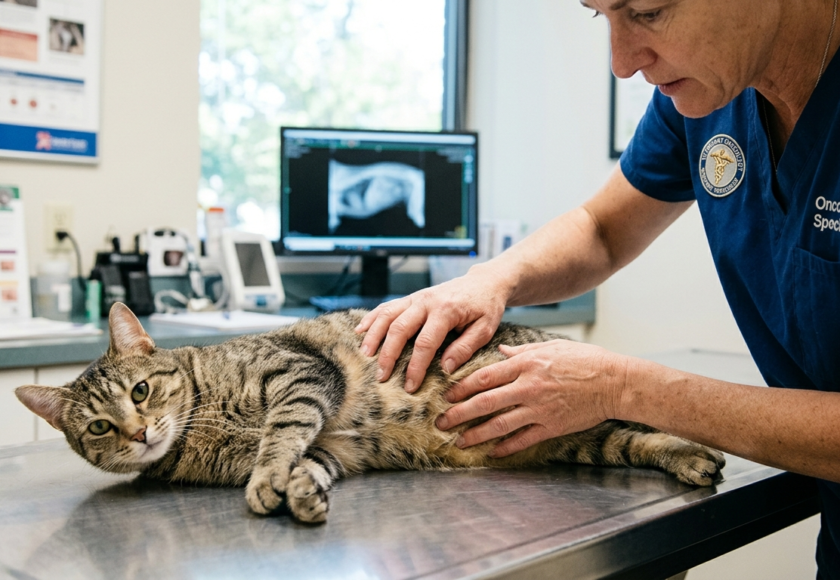
- Exam first: Your veterinarian is able to check your pet and determine what tests are necessary.
- Gentle collection: The collection of a small amount of blood from a vein in the leg or neck. This typically only takes a matter of a few minutes and most pets are not stressed in the process.
- Testing: The sample is tested at the hospital’s facility. The list of common results is available the same day.
- Review: Your vet will explain what each number means, point out anything unusual, and will recommend treatment, medication, additional tests or recheck.
Pets return to their normal activity immediately after the appointment, except for most pets who go home right after. A small cut or bruise at the point of collection is normal and will quickly fade. Your veterinarian will take you through the treatment process if necessary, before leaving the office.
Preparing your pet for blood work
Your veterinarian might require you to withhold your pet’s food for a couple hours prior to the test, as some results are influenced by food in the bloodstream. Fresh water is generally OK. Carry a list of any medicines and supplements your pet is taking and any recent medical records, and record the onset of any symptoms. A familiar blanket or favorite toys may help ease the transition for your pet.
Understanding Your Pet’s Results
Results are compared to reference ranges which indicate the typical results in a healthy animal. A value outside the range does not necessarily mean panic and a normal value does not mean that the disease is not present. Your veterinarian will use the numbers in conjunction with your pet’s symptoms, physical examination, and age and breed to interpret the results. In some cases, it is best to just repeat the test a few weeks later and observe the trend.
So what factors influence pets’ blood work costs?
The cost will depend on the tests necessary, a simple or comprehensive set of tests, and if samples need to be sent out to a different lab. Please get a quote from your veterinary team before testing. If you’re weighing several different clinics, check the services offered and how quickly the results will be available for your pet. At Grove Center, financing like CareCredit and Cherry are available.
Conclusion
One of the best tools in a veterinarians’ arsenal is blood work. It can show what an examination of the body cannot, can detect disease early and helps to keep treatment on track. In-house pet blood work near me can get your pet’s answers quicker, and with less delays, as the team already know your pet.
When you’re ready to book, please give Grove Center Veterinary Hospital a call at (301) 963-0400 or make an appointment online. We can be found at 9033 Gaither Road, Gaithersburg, MD 20877, and offer you pet blood work services for your sick pet or regular checkup whenever you want.
Frequently Asked Questions
What is in-house blood work for pets, and why does it differ from blood work performed outside of the lab?
Blood tests are run at your veterinary hospital instead of a laboratory. Many available results are available on the same day, and others are available in lab outside of the day.
What is the typical time it takes for in-house blood tests to be done?
Many standard tests may be available within minutes to hours, depending on the tests ordered. Specialised tests sent for to a reference laboratory are longer.
Should my pet have an ” Empty Stomach” blood test?
In most cases yes for several hours, as some results may be altered by food. Adhere to your veterinary team’s instructions, and consult before giving any medication.
Will my pet suffer if I have blood tests done?
It is only mildly uncomfortable, like a quick needle stick. It’s generally quite well-tolerated by most pets and is relatively quiet when handled gently.
When do I need to have my pet’s blood work?
This is an annual shot for healthy adult pets and every six months or even more frequently for pets with chronic disease or elderly pets. A schedule will be determined by your pet’s age and health status by your veterinarian.