 grovercentervet
Feline Lower Urinary Tract Disease: A Complete Guide for Cat Owners
Your cat may be suffering from FLUTD if the litter box is often being approached, if your cat cries while urinating or if there are small puddles around the house. It is a common cause of veterinary visits in cats, and is also known as feline lower urinary tract disease (FLUTD). It may be fatal in male cats in just hours. This is a guide to what you’re looking for, why it occurs, how to get your cat’s vet to help, and how you can reduce the risk at home.
So, the short answer is that FLUTD refers to a number of conditions affecting the bladder and urethra of a cat, which lead to difficulty urinating, or urination that is painful and/or frequent. If the cat is straining to pee and is not producing urine, it requires emergency veterinary treatment right away.
What is FLUTD in Cats?
Feline lower urinary tract disease is an umbrella term and not a diagnosis in its own right. It involves any issue that involves the bladder and the tube that carries urine out of the body (urethra). FLUTD is not diagnosed by any single test as many conditions can give the same uncomfortable symptoms.
It can affect cats of any age, but is most common in middle-aged, obese, indoor cats who consume a diet of dry food and do not exercise much. Male cats are at more risk since the urethra is thinner and crystals, mucus plugs or small stones can block it.
Some signs and symptoms of the disease include:
Cats will never display any type of pain, so it’s important to look out for small changes. Symptoms of FLUTD are:
- Urine is passed regularly but small amounts of urine are passed.
- Urinating is prolonged or challenging due to straining, crying or yowling
- Blood in the urine (pink/red colour)
- Urinating outside the litter box, which is frequently on cool, smooth surfaces, such as tiles or bathtubs.
- Too much licking of the genitals
- Restlessness, hiding or sudden irritability
In more severe cases, vomiting, lethargy or lack of appetite occurs.
Straining is often confused by owners for constipation. If the cat squatts continuously and does not get anything out treat it as an emergency.
What Causes FLUTD?
Causes are in several broad categories and occasionally multiple.
- Idiopathic cystitis: This is the most common cause which makes up over 50% of cases. If no cause for the disease is found, it’s called “idiopathic.” Changes in routine, increased stress, living with other pets, and a lack of enrichment inside are all suggested to be closely associated with flare-ups.
- Urolithiasis (stones in the bladder) and urinary crystals: Crystals or stones, like struvite and calcium oxalate, can irritate the bladder lining and cause blockages in the urethra.
- Urethral plugs: A combination of mucous, cells and crystals can form a plug, especially in males.
- Bacterial infection: Urinary tract infections are uncommon in cats, but they do happen, particularly in older cats and those with other diseases that affect the urinary tract, such as kidney disease and diabetes.
- Other causes: Less common, but possible, are tumors, anatomy abnormalities and injury to the urinary tract.
Some of the risk factors are obesity, low water consumption, living in an indoor environment, having multiple cats in the household, and being neutered and a male cat.
Is It an Emergency? Urethral Obstruction
The most serious complication of FLUTD is a blockage of the urethra. As the urine builds up in the bladder, the toxins and potassium levels increase in the blood and the heart and kidneys are severely affected. If not treated, a cat with a blocked litter box can die in 24 to 72 hours.
Go to an emergency vet immediately if your cat:
- Repeatedly strains, but doesn’t pass very much urine
- Is constantly crying or whimpering and hides
- Has hard, painful belly
- Vomits, weak or collapses
Don’t wait and see if it passes. If treated early, the outcome is much more satisfactory, and it is delaying treatment that can make a manageable problem into a crisis.
How Vets Diagnose the Problem
Your veterinarian will begin with a physical exam by palpating or feeling the bladder to determine if it is enlarged or painful. From there, standard tests performed are:
- Test of the urine (urinalysis) to look for blood, crystals, bacteria and urine concentration.
- Urine culture: confirmation of infection or elimination of infection
- Blood tests: to check kidney function and electrolyte levels (particularly in blocked cats)
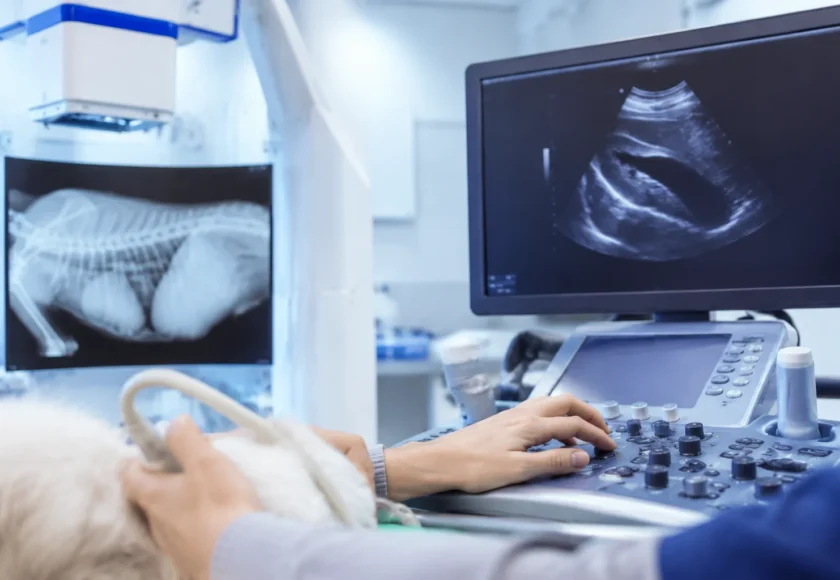
- X-rays or ultrasound: shows bladder stones, tumors or abnormalities in structure.
If all the tests are negative, the diagnosis is typically idiopathic cystitis, but not “cured” and it is treated.
Treatment Options
The treatment of FLUTD will depend on the cause and the severity of the signs.
- Unblocking the urethra: A sedated cat will have a catheter inserted to allow urine to flow. Typically, hospitalization with intravenous fluids, pain medication and observation are required.
- Control of pain and spasms: Numerous cats require pain medication and urethral relaxant drugs even if there is no blockage.
- Prescription diets: Foods that are good for the kidneys can break up stones and crystals, and can prevent the growth of new stones.
- Antibiotics: Only used in the case of a confirmed bacterial infection. Giving them to uninfected individuals won’t help, and may build resistance.
- Surgery: It may be necessary to remove large stones. Cats which have had multiple blockages may be suitable for a procedure called perineal urethrostomy which enlarges the urethral opening.
- Stress reduction: Whereas, in idiopathic cystitis, environment changes are as significant as any medication.
Preventing FLUTD in Cats
But the key is that this can be managed most of the time with basic lifestyle changes. Dilute urine, calm environment and healthy weight are the answers to prevention.
- Increase water intake: Provide moist food on a daily basis, because it is much wetter than kibble! Get a pet water fountain, set several water bowls around the house and avoid having them near the litter box.
- Give a doctor-approved diet: If your cat has any previous urinary issues, be sure to consult your vet and use a prescription urinary diet. Do not make abrupt changes in foods.
- Ensure that litter boxes are both clean and there: One box per cat plus one additional Box that should be scooped each day and located in quiet areas. Dirty boxes are not used and many cats can hold their urine, aggravating the irritation.
- Reduce stress: Offer hiding places, vertical space including cat trees, scratching posts and window perches. Continue feeding & play routine. Some anxious cats can benefit from a pheromone diffuser.
- Play and exercise encouraged: Interactive play helps to burn calories, reduce stress and curb boredom on a daily basis.
- Maintain a healthy weight: Portion control and a target weight from your veterinarian will help reduce the risk of urinary issues due to obesity.
- Schedule regular check-ups: Once a cat has had one episode, it is likely to occur again, so it helps to monitor their litter box habits and to follow up with urine testing.
Outlook and Recurrence
Most cats improve after the cause is identified, but it is common for them to return. Particularly, cats with idiopathic cystitis tend to return. Research indicates that, if left untreated, a large percentage of cats will suffer another episode within a year or two. This is the reason why long-term management is as important as the first treatment.
Maintain a simple notebook to track litter box behaviors, water consumption, and changes in your environment, including visitors, rearranging furniture or getting a new pet. Patterns can occur that indicate triggers. Take this log with you to future visits as it will aid your veterinarian in making further dietary and environmental adjustments.
If you see early indications, like additional time in the litter box or a number of spills of blood, contact your Vet the same day rather than delay. It’s best to catch a flare-up early, as this could lead to a speedy recovery and a reduced bill.
Conclusion
FLUTD is a frequently occurring, painful and potentially harmful condition; however it is very manageable if detected early. Know the signs, consider any straining that does not produce urine as an emergency and consult with your veterinarian regarding diet, hydration and stress control. Simple steps such as giving wet food, more water bowls and a more peaceful home can help maintain your cat’s urinary tract health for many years. If your cat changes his or her bathroom habits, take it seriously and contact your veterinarian.
Frequently Asked Questions
- What are the first signs of feline lower urinary tract disease?
The first symptoms are an increased number of visits to the litter box, straining, passing little amounts of urine, blood in the urine and urination outside the litter box. There is also excessive licking of the genital area.
- Is there a way that this will pass?
Most cases of idiopathic cystitis are mild and last for a week or two, but they tend to recur. A blockage may happen rapidly – particularly in males – and should always be examined by a vet.
- What’s the expense of treatment?
Costs vary widely. A basic examination and urinalysis is relatively inexpensive, and emergency treatment of a blocked cat (catheterization, hospitalization) can cost hundreds or thousands of dollars, depending on the location and severity.
- Who are the cats most vulnerable?
Cats with a habit of eating a lot of dry food, drinking very little water and being overweight, middle-aged cats are at the greatest risk. Males are most at risk for life-threatening blockages, especially when they are castrated.
- Are dry food harmful for cats’ urine?
Dry food isn’t the only culprit, but the moisture content that is low in dry food results in more concentrated urine that is conducive to promoting the formation of crystals. Wet food or a combination of wet and dry foods will help to keep the urine diluted.
- Can it be transmitted to other pets?
No. It’s not contagious. But, there can be conflicts between cats in the same household that lead to flare-ups.
- When do I need to take my cat to the emergency vet?
If your cat is straining but not urinating, crying in pain, vomiting or lazy, go immediately. These may indicate a blockage in the urethra (tube that carries urine out of the body) and it is a medical emergency.
- Are stress really a cause of urinary problems in cats?
Yes. One of the most well documented causes of idiopathic cystitis is stress. Cats may suffer a flare-up triggered by changes in routine, the introduction of pets, noises and conflict with other cats, and this is why environmental enrichment is a component of treatment.