 grovercentervet
That slight limp you notice when they get up? The hesitation before jumping onto the couch?
Degenerative Joint Disease (djd), you brush it off… until one day, it’s not so easy to ignore.
If you’ve been hearing vets mention “arthritis” or noticing your pet slowing down, you’re not imagining it. Degenerative Joint Disease (djd), also called osteoarthritis, is one of the most common conditions in animals especially cats and dogs. And no, it’s not just an “old pet problem” anymore.
So what’s actually going on inside their bodies? Let’s break it down no complicated vet jargon.
1. What Is DJD in Animals, Really?
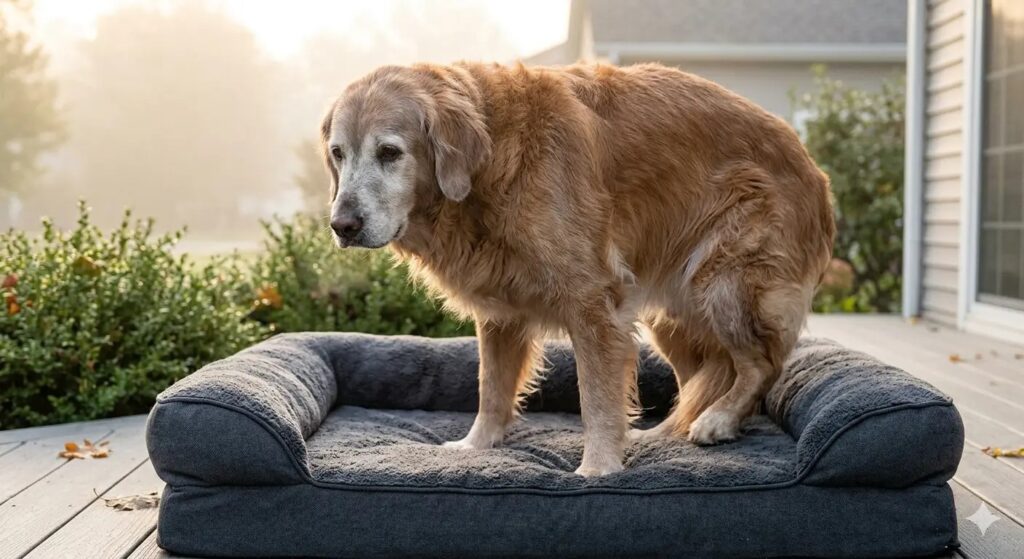
Think of your pet’s joints like shock absorbers.
When they’re young, everything is smooth. They run, jump, twist, climb effortlessly. No hesitation. No stiffness.
DJD is what happens when that cushioning starts wearing down.
Inside every joint is cartilage a soft, slippery layer that lets bones glide over each other. In DJD, that cartilage slowly breaks down. At first, it’s subtle. Then it gets thinner. Rougher.
Movement stops being smooth.
And in advanced cases? Bone starts rubbing against bone.
Your pet won’t say “this hurts,” but their behavior will.
2. Why Are We Seeing This More Often Now?
You’re not wrong more pets are dealing with joint issues today. Here’s why:
Pets are living longer.
Better care, better food, better medicine = longer lives. But with age comes wear and tear.
Indoor lifestyles are one of the major reasons for long term discomfort. Less activity can weaken muscles, which means less support for joints. At the same time, sudden bursts of activity can stress joints even more.
Weight plays a big role.
Extra weight = extra pressure on joints. Even a little weight gain can significantly increase stress on hips, knees, and spine.
Past injuries don’t just disappear.
That fall, that sprain, that “healed” fracture it can change how a joint moves forever.
Breed genetics matter.
Some animals are simply more prone to joint issues.
3. The Red Flags: How Do You Know Your Pet Has DJD?
Animals don’t complain. They adapt.
So you have to notice the subtle changes:
The Slow Start:
They get up slowly, especially after sleeping.
The Jump Pause:
They hesitate before jumping or stop altogether.
The Quiet Withdrawal:
Less play, less movement, more rest.
The Limp That Comes and Goes:
Especially after activity.
Behavior Changes:
Irritability or avoiding touch.
4. Why Did This Happen?
It’s usually a combination of wear and tear, old injuries, weight, and genetics.
5. Myths vs Reality
My pet is just slowing down because of age.
Slowing down is often pain-related.
Cats don’t get arthritis.
They do, they just hide it well.
If they’re not crying, they’re fine.
Animals rarely vocalize pain.
Nothing can be done.
There’s a lot that can help.
6. The Roadmap to Relief
Step 1: Lifestyle Changes
Gentle movement, weight management, and comfort adjustments at home.
Step 2: Vet Support
Supplements, medications, and proper diagnosis.
Step 3: Targeted Treatments
Pain relief and advanced therapies.
Step 4: Surgical options in severe cases.
7. Next Steps
Watch for patterns.
Act early.
Consult a vet.
The Bottom Line
DJD in animals isn’t the end it’s a signal.
Your pet won’t say it hurts. But they trust you to notice.