Grove Center

  • Home
  • About Us
    • Our Philosophy
    • Hospital Policy
    • Working Hours
    • Our Team
  • Services
  • Emergencies
  • Contacts
    • New Client
    • Pet History
  • Blog
  • Home
  • About Us
    • Our Philosophy
    • Hospital Policy
    • Working Hours
    • Our Team
  • Services
  • Emergencies
  • Contacts
    • New Client
    • Pet History
  • Blog

Grove Center

Grove Center

  • Home
  • About Us
    • Our Philosophy
    • Hospital Policy
    • Working Hours
    • Our Team
  • Services
  • Emergencies
  • Contacts
    • New Client
    • Pet History
  • Blog
dogs Tag
Home dogs Page 16

Tag: dogs

4128818
July 20, 2024
grovecenter grovecenterAllDogs

An Overview of Sarcoptic Mange (Scabies) in Dogs  

The Organism and How It Lives

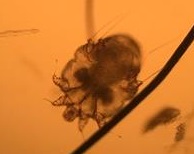
Sarcoptic mange is the name for the skin disease caused by infection with the Sarcoptes scabiei mite. Mites are not insects; instead, they are more closely related to spiders. They are microscopic and cannot be seen with the naked eye.

Adult Sarcoptes scabiei mites live three to four weeks in the host’s skin. After mating, the female burrows into the skin, depositing three to four eggs in the tunnel behind her. The eggs hatch in three to 10 days, producing larvae which, in turn, move about on the skin surface, eventually molting into their nymphal stage and finally into adults. The adults move on the skin surface where they mate, and the cycle begins again with the female burrowing and laying eggs.
Appearance 

The motion of the mite in and on the skin is extremely itchy. Furthermore, burrowed mites and their eggs generate a massive allergic response in the skin that is even itchier.

Mites prefer hairless skin, and thus, the ear flaps, elbows, and abdomen are at the highest risk for the red, scaly, itchy skin that characterizes sarcoptic mange. This pattern of itching is similar to that found with environmental allergies (atopy) as well as with food allergies. Frequently, before attempting to sort out allergies, a veterinarian will simply treat a patient for sarcoptic mange as a precaution or change to a flea product that will cover sarcoptic mange mites. This is an easy way to be sure sarcoptic mange is crossed off the list of possible skin disease causes. It is easy to be led down the wrong path and pursue allergies aggressively if sarcoptic mange is considered too unusual or unlikely.

As the infection progresses, eventually, most of the dog’s body will be involved. Classically, though, the picture begins on the ears (especially the ear margins), elbows, and abdomen.

The term scabies refers to mite infestations by either Sarcoptes scabiei or other closely related mite species. While Sarcoptes scabiei can infect humans and cats, it tends not to persist on these hosts. When people – including some veterinarians – refer to sarcoptic mange or scabies in a cat, they are usually referring to infection by Notoedres cati, a mite closely related to Sarcoptes scabiei. In these feline cases, it is more correct to refer to notoedric mange, though the treatment for both mites is largely the same.

Scabies vs. Sarcoptic Mange: Are They The Same Thing?

The term “scabies” refers to mite infections caused by Sarcoptes scabiei mites or other mites closely related to them (infections caused by the Sarcoptiform mite family). For dogs, this is usually Sarcoptes scabiei. For cats, this is usually Notoedres cati, but could be Sarcoptes scabiei. In humans, “scabies” usually refers to infection with Sarcoptes scabiei hominis, a mite that infects only people, although the canine mite discussed here (Sarcoptes scabiei) can most certainly infect people. 

How The Infection is Spread

While mites can live off of a host for days to weeks depending on their life stage, they are only infective in the environment for 36 hours, which means that decontamination of the environment is generally not necessary. Spraying, deep cleaning, etc., is not necessary, although machine washing bedding is advised.

Different varieties of Sarcoptes scabei mites infest their specific mammals. Sarcoptes scabiei var. canis mites infest dogs, while Sarcoptes scabiei var. hominis infests humans. Although the mites can transfer from one species to another, the infections are typically self-limiting (i.e. they go away on their own). The mites cannot complete their life cycles (they cannot reproduce and live continually) on the “wrong” hosts.

As previously discussed, when dogs are infected with Sarcoptes scabiei, those mites can transfer to people. The mites burrow into human skin, causing significant itchiness and irritation which sometimes leads to secondary skin infections (from humans scratching themselves and introducing bacteria into the skin). The mites are most active where the skin is warm, such as in bed, or where clothing is snug. Human infestations caused by dog-specific mites usually go away on their own within 12-14 days.

Always see your physician if you have concerns about your skin while your pet is experiencing a skin condition.

If a pet affected by sarcoptic mange is in the home, it is a good idea to wash any bedding in the washing machine (or replace it with new bedding) and wash any collars or harnesses.

Diagnosis

Skin Scraping


Classically, mite infection is diagnosed by scraping the skin surface with a scalpel blade and examining the skin debris under a microscope for mites. If the mite’s presence is confirmed by skin scraping, then you know immediately the cause of the itching; you need not be concerned about allergy possibilities or other diseases, and the condition can be addressed with confidence.

When an animal with sarcoptic mange scratches himself, he breaks open the tunnels that the mites have burrowed into, and the mites are killed, although the itch persists due to toxins in the skin. The result is that the mites can be difficult to confirm by skin scraping tests. (Probably mites are confirmed in 50 percent or fewer of sarcoptic mange cases.)

Medication Trial


Since negative test results do not rule out mite infection, a “maybe mange” test is frequently performed. This consists simply of treating for sarcoptic mange and observing for resolution of the signs within two to four weeks. Treatment is simple and highly successful in most cases, so it is fairly easy to rule out sarcoptic mange with a trial course of medication. See below for treatment options.

Biopsy


Mange mites are rarely seen on a skin biopsy sample, although if the sample is read by a pathologist who specializes in reading skin samples, the type of inflammation seen in the sample can be highly suggestive of sarcoptic mange. As a general rule, if the skin is biopsied, it is a good idea for the veterinarian to request that a dermatohistopathologist read the sample.

Treatment

While sarcoptic mange is difficult to diagnose definitively, it is fairly easy to treat, and a number of choices are available.

Remember, all dogs in a household where sarcoptic mange has been diagnosed should be treated.


At this point in time, many common flea products will get rid of a scabies infection handily. Using one of them will not only treat the scabies but will prevent future episodes as well. Some of these common products can be used the way they are normally used to prevent fleas, while others need an “off-label” dosing schedule that could be an issue for dogs with the MDR1 mutation.

Some individuals have a mutation of the MDR1 gene that interferes with the dog’s ability to metabolize many drugs, including those related to ivermectin, a broad-spectrum antiparasitic. This is not an issue at label doses but can be really toxic at the doses used to kill mites. These individuals are usually of the Collie family: Collies, Shetland Sheepdogs, and Australian Shepherds are classically affected. There is now a DNA test that can determine if any dog has the mutation.  If there is any question, a medication that does not require an off-label dose adjustment should be used for mange treatment.

The Isoxazolines


Oral flea products that cover both fleas and ticks are popular and include Nexgard®, Simparica®, Bravecto®, and Credelio®. Any of these will readily kill sarcoptic mange mites in one dose just as readily as they handle fleas and ticks. The MDR1 mutation does not come into play.

Selamectin (Selarid® or Revolution®)


Selamectin is an ivermectin derivative for dogs to control fleas, ticks, heartworm, ear mites, and sarcoptic mange mites. Normal monthly use of this product should prevent a sarcoptic mange problem, but to clear an actual infection, an extra dose is usually needed after 2 weeks for reliable results. This extra dose could possibly be an issue for dogs with the MDR1 mutation.

Moxidectin (Advantage Multi) – Moxidectin is yet another ivermectin derivative. In Advantage Multi, it is combined with imidacloprid, a flea-killing topical, to create a product used against heartworm, hookworm, roundworm, whipworm, and fleas. In the U.S., this product is now FDA labeled for sarcoptic mange and is also a good choice where there is concern about the MDR1 gene mutation as one regular dose should handle the mange mites. 

Milbemycin Oxime (Interceptor®, Sentinel®, or Trifexis®) 


Milbemycin oxime is approved for heartworm prevention as a monthly oral treatment and is available combined with oral flea products as well. Happily, it also has activity against sarcoptic mange, and several protocols have been recommended. There could be issues with the MDR1 mutation, depending on the protocol.

Ivermectin


This is one of the most effective treatments against Sarcoptes scabei yet is off-label as far as the FDA is concerned. There are several protocols due to its long activity in the body. Typically, an injection is given either weekly or every two weeks in 1-4 doses. Because there are so many safer and more convenient derivatives at this point, we mostly mention it for its historical significance because, before its development, mange treatment was labor intensive with repeated dipping and bathing. Ivermectin opened the door for a simple treatment for this condition.

Dipping 


Here, a mite-killing dip is applied, usually following a therapeutic shampoo. Weekly mitaban dips (Amitraz), or lime-sulfur dips are usually effective. The disease typically resolves within one month. Dipping is troublesome, messy, and rarely done anymore as the other products are easier and more rapidly effective. We only mention it since it had been a standard mange treatment for decades prior to ivermectin.

In the Meantime

During the time it takes to control the mite infection, the pet will be very itchy. Controlling secondary bacterial infections with antibiotics is important. Also, since the body’s reaction to the mite is one of hypersensitivity (essentially an allergic reaction), a cortisone derivative is worthwhile to quell the itchiest symptoms. Ask your veterinarian about which prescriptions are appropriate for your pet. As for anti-itch shampoos, rinses, and other forms of itch relief, see itch-relieving ideas for additional suggestions.

LEARN MORE
4127790
July 20, 2024
grovecenter grovecenterAllDogs

Alopecia X is a Pattern of Baldness

Alopecia is the medical term for baldness. The term does not specify a particular type, pattern or cause of baldness; it is a general term. There are many types of alopecia/baldness. One particular type of baldness has been described in the Nordic or plush-coated breeds whereby the dog develops coat loss on the main body as well as darkly pigmented skin in the bald areas. The legs and head are generally spared and retain a normal coat.

The condition we call “alopecia X,” however, is not associated with the hormone imbalances that normally create endocrine alopecia. Its causes remain mysterious hence the name alopecia X. Given that there are numerous therapies that work for some cases and not for others, and that many of these therapies seem to be in complete opposition, it may be that alopecia X is not one disease but several and we simply do not know how to distinguish them.

Alopecia X goes by many names:

  • Black skin disease 
  • Growth hormone-responsive alopecia 
  • Castration-responsive alopecia 
  • The coat funk 
  • Pseudo-Cushing syndrome 
  • Biopsy-responsive alopecia 
  • Follicular dysplasia of the Siberian husky 
  • Adrenal sex hormone alopecia 
  • Hair cycle arrest

The following is what is currently believed about this confusing condition.

The good news is that alopecia X is a cosmetic condition only. There is no downside to the dog except for looking funny. For this reason, treatment with medications is frequently discouraged because drugs can have bodywide effects while the disease itself has none. Furthermore, treatment has been fraught with partial responses and can be frustrating if not expensive, depending on what therapy is selected.

The skin biopsy is particularly important in making a diagnosis of alopecia X. If possible, a pathologist who specializes in reading skin tissue should be requested. The biopsy will identify structures typical of alopecia X hair follicles and help rule out concurrent allergy or infection that might mimic alopecia X.

The University of Tennessee Hormone Profile

One option in the pursuit of effective alopecia X therapy is the adrenal sex hormone panel available at the University of Tennessee. This test is done by drawing a baseline blood panel, administering a pituitary hormone called ACTH, and drawing a second blood sample an hour later to compare. Samples are shipped to Tennessee for evaluation for numerous adrenal sex hormones. The results show not only which hormones respond abnormally but the university will make suggestions as to which therapy might be likely to work.

Testing is not inexpensive and results can take several weeks to obtain but may help in selecting what therapy makes sense to try next. Often, results are ambiguous and difficult to interpret. Different specialists have different opinions on the usefulness of information obtained. This blood test may be recommended by your veterinarian as part of the alopecia X work up so we mention it here.

The Typical Patient    

The typical Alopecia X patient is a Spitz or Nordic breed such as an American Eskimo, Chow Chow, Pomeranian, Alaskan Malamute, Elkhound, or similar. Poodles have also been over-represented. Hair loss begins in early adulthood, usually by age three years. First, the long primary hairs go, leaving a fuzzy, puppy-like coat but eventually that goes, too. The bald skin becomes hyperpigmented but is not itchy, and the skin does not usually get infected.

Diagnostic Testing

Part of the problem is that all hormone-based hair losses can look exactly like this, so some testing is needed to determine which of several conditions are occurring.

Expect your veterinarian to begin with:

  • A blood panel 
  • A urinalysis 
  • Some kind of thyroid testing 
  • Some kind of adrenal hormone testing 
  • A skin biopsy

The purpose of this rather broad testing is to rule out diseases that look like alopecia X but for which well-defined treatment protocols exist. This means that two conditions must absolutely be ruled out before proceeding with the trial and error process of alopecia X treatment.

  • Cushing’s disease
  • Hypothyroidism

Both these hormone imbalances lead to endocrine alopecia and while they look like alopecia X, they have their own specific treatments.

Now that it has been determined that the dog in question has Alopecia X, it would be great if we could wake up the sleeping hair follicles and regrow some hair. It turns out there are several therapies to choose from. The problem is that while some dogs will respond with hair growths to a therapy course, other dogs will not respond at all. Let’s see what the choices are:

Sterilization


Alopecia X seems to be a sex hormone imbalance in at least some cases and didn’t earn the name castration responsive alopecia for nothing.

For this reason, the first step in treatment is to sterilize the patient; unspayed females should be spayed, and intact males should be neutered. There are health benefits to sterilization regardless of whether or not there is a hair loss issue, and many animals will grow their hair back (though possibly not permanently) so this is where we start rather than investing in complex and confusing diagnostics. If this does not work or the pet is already sterilized, then we move on to melatonin supplementation.

Melatonin


Melatonin can be obtained in 3 mg tablets at most health food stores or vitamin retail outlets. Approximately 40 percent of dogs will show some response within six to eight weeks. The medication should be given for at least two or three months before giving up but if hair regrowth occurs, the medication is continued until hair growth seems to have plateaued. After maximal hair regrowth has been achieved, the dose is gradually tapered down to a weekly dose over several months.

Some dogs can ultimately discontinue medication though it is important to realize that if you discontinue the medication and the hair falls out again, the condition may not be responsive to melatonin a second time. Recently melatonin implants have become available in the U.S. These are implanted in a similar manner to a microchip and dissolve under the skin over time. These can be used as an alternative to the oral product.

Melatonin Side Effects and Issues

  • Melatonin has been used as a sleep aid. Some owners find the sedating side effect to be unacceptable. Consider giving it at bedtime so that drowsiness is less noticeable.
  • Melantonin should not be used in diabetic patients as it has been found to create insulin resistance.
  • Beware of melatonin brands containing xylitol. Xylitol is an innocuous sugar substitute for people but is a poison for dogs.

Since melatonin is a nutritional supplement, rather than a prescription medication, the FDA does not insist on the same quality control it does for drugs. There may be tremendous differences in the amount of melatonin contained in pills between brands. Nature’s Bounty® brand has been a preferred brand but any major supplement brand should be acceptable.

If neither sterilization nor melatonin have been fruitful and we know the dog does not have Cushing’s disease or hypothyroidism, then it is important to realize that the therapies left to try have potential side effects.

Consider this: Alopecia X is a cosmetic condition. It may make the dog look funny, but it does not cause harm.

You will need to weigh the potential side effects of therapy against your pet’s appearance. That said, there are other therapies that can be attempted.

Micro-Needling


Alopecia X is sometimes called biopsy responsive alopecia. After the skin biopsy samples are taken in the diagnostic process described above, some dogs will regrow a small tuft of hair in the biopsy area. The theory is that the inflammation associated with healing has awakened the hair follicles in that local area. This concept is applied more broadly with micro-needling, in which a roller of tiny needles is rolled over the skin creating tiny punctures and putting the skin into a healing mode. This procedure is widely used in human aesthetics to generate collagen, remove wrinkles and brighten skin complexion. The needles can be painful or at least uncomfortable so the patient may require sedation or numbing with topical anesthetics.

The skin is somewhat tender for a day or so after the procedure. Different studies report different success rates ranging from 40 to 90 percent. Because some discomfort is afforded the patient and sedation is typically needed, plus alopecia X is of cosmetic concern only, using this treatment is somewhat controversial.

Deslorelin Implants


Deslorelin is a veterinary hormone that curtails the production of estrogen and testosterone and is usually used to time ovulation in mares. It is available as an implant and was recently tested in alopecia X. Within three months, 60 percent of the unneutered male dogs experienced hair regrowth. None of the spayed females experienced hair regrowth. No side effects were noted during the one-year period of testing. This may pan out as a treatment strategy for unneutered male dogs.

Medroxyprogesterone Acetate


Injections of this long-acting progesterone were used monthly for four months in a group of Pomeranians with alopecia X. Some responded partially, one completely regrew hair, and some did not respond at all. None of the dogs had side effects during the time of the study; however, progestins are famous for inducing mammary tumors, uterine infections, and diabetes mellitus so their use should be weighed against their potential for problems.

Trilostane


Cushing’s disease is a disease of adrenal cortisone excess. The production of cortisone is complex and some of the pathways are common to sex-hormone production. For this reason, therapy for Cushing’s disease sometimes works on alopecia X. Trilostane is a medication used to treat Cushing’s disease to suppress steroid hormone production, which includes the sex steroids. Trilostane has the potential to create a dangerous deficiency in adrenal steroids so it is not without risk even though it has been effective in causing hair regrowth in some patients.

Alopecia X is a frustrating condition and will remain frustrating for years to come. Research is ongoing and progress comes gradually.

LEARN MORE
4128349
July 18, 2024
grovecenter grovecenterAllCatsDogsSmall Mammals

Anaplasmosis

Anaplasmosis is a tick-borne disease. Two forms of anaplasmosis are known: granulocytic anaplasmosis and infectious cyclic thrombocytopenia. Granulocytic anaplasmosis is more common. A dog can have both infections at the same time.

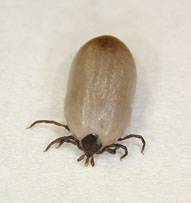
Transmission is via a tick vector (a vector is an organism that can passively carry and transmit disease). A tick needs to be attached for a minimum of 24 hours to transmit the organism. Incubation time is about 1 to 2 weeks. Reservoir hosts (a source of infection and possible reinfection that sustains a parasite) are usually small rodents, deer, etc.

Granulocytic Anaplasmosis

Granulocytic anaplasmosis is an infection of white blood cells. It is caused by Anaplasma phagocytophilum.

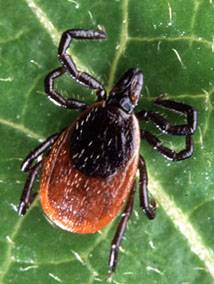
Anaplasma phagocytophilum is transmitted via a bite from an Ixodes tick. Ixodes scapularis (often commonly called the deer tick, blacklegged tick, or bear tick) is the primary vector in the Midwest and Northeastern United States; Ixodes pacificus (commonly called the Western blacklegged tick) is the primary vector in the Western United States; and Ixodes ricinus (commonly called the castor bean tick) is the primary vector in Europe.

Granulocytic anaplasmosis is seen most commonly in dogs in the Northeastern, upper Midwest, and coastal Western United States. Since granulocytic anaplasmosis requires the Ixodes tick as its vector, seasonal outbreaks of the disease can occur from spring through summer. Clinical disease is most often seen in adult dogs, and golden retrievers and Labrador retrievers appear to get it more than other breeds.

A. phagocytophilum can infect a wide range of mammals. In addition to dogs, the clinical disease has been documented in cats, cattle, sheep, goats, llamas, and humans.

Because of common vectors and rodent reservoirs, co-infection with Borrelia burgdorferi can be seen and can lead to more severe illness.

Clinical Signs and Prognosis

Many dogs exposed to granulocytic anaplasmosis do not get obvious signs of the condition. If signs are seen, they most often occur during the acute phase of infection, which is 1 to 2 weeks after transmission. The signs may be vague and include lethargy, lack of appetite, and fever. Some dogs may become lame because their joints are painful. Less common signs include vomiting, diarrhea, coughing, and difficulty breathing.

The prognosis for granulocytic anaplasmosis is quite good.

Infectious Cyclic Thrombocytopenia

Infectious cyclic thrombocytopenia is an infection of blood platelets. It is caused by Anaplasma platys.

Anaplasma platys transmission has not been fully determined, although tick vectors are probable. The organism has been found in Rhipicephalus and Dermacentor ticks.

Clinical Signs and Prognosis

Signs include lack of appetite, lethargy, fever, bruising on the gums and stomach, nosebleeds, and weight loss.

Many dogs with infectious cyclic thrombocytopenia have only mild clinical disease, so the prognosis is generally good.  

Diagnosis

Blood tests and urinalysis are the main diagnostic tools for anaplasmosis. The blood tests usually include a complete blood count, blood smear evaluation, biochemistry panel, serology to look for antibodies and polymerase chain reaction (PCR) assays. If the dog is lame, radiographs and analysis of joint fluid are usually included.

Treatment

Treatment includes antibiotics, pain relievers, and anti-inflammatory drugs.

Doxycycline is the most commonly used antibiotic. Most dogs respond within one to two days after they first take doxycycline. Other antibiotic options are tetracycline or minocycline.

Analgesia and anti-inflammatory drugs may be needed for joint pain. Let your veterinarian choose the anti-inflammatory, rather than choosing and dosing it yourself because dogs metabolize these medicines differently than humans do. Your veterinarian will have the most appropriate medication.

Disease Prevention

Because there is no vaccine for anaplasmosis, appropriate tick control is critical to preventing this disease. Preventing ticks from attaching and removing any ticks from your pet within a few hours of attachment is vital.

Note: Dogs with anaplasmosis may also be infected with other tick-borne organisms (Ehrlichia, Borrelia, etc.), so infected dogs should be screened for those diseases also.


LEARN MORE
6021696
July 18, 2024
grovecenter grovecenterAllCatsDogs

Anal Glands and Anal Gland Abscess in Dogs and Cats

What are anal glands?

Anal glands are two sac-like structures that release an unmistakable, foul-smelling fluid. It’s really unfortunate when veterinarians get that fluid on their clothing because then they smell like that all day, as does the exam room. Dogs and cats use this fluid to mark their territory when they poop. Anal glands are not important for your pet’s health and can be removed if medically necessary (i.e, constant infections, recurrent abscess formation), but not without risking incontinence.

What animals have anal glands?

  • Female and male cats, dogs, and many other animals
  • People do have them. They are like sweat glands and much smaller vs. cat or dog anal glands.

What is the anatomy of an anal gland?

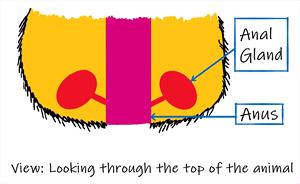
Each animal has two glands located on the left and right side of the anus. Each gland connects to the end of the anal canal through a small connecting tube (duct). When your pet is defecating (pooping), the feces (poop) passes through the anal canal and squeezes the sacs, releasing the smelly fluid.

What is an anal gland abscess?

An anal gland abscess is a painful infection of the anal glands. During an infection, pus builds up in the sac. The infection prevents the foul-smelling anal gland fluid from leaving the sac. The anal gland swells with the fluids and may even burst. This abscess is extremely painful and should be treated immediately.

Can my pet get an anal gland abscess?

Animals with anal glands can have an anal gland abscess. There is no breed, gender, or age group that is more likely to have this happen. There are a variety of potential explanations of why the anal gland swells and even ruptures, such as underlying diseases or allergies. By working together, you and your veterinarian will create the best treatment plan to prevent abscesses from forming in the future.

What are the symptoms?

  • Scooting across the floor to put pressure on the anal gland and release the fluid
  • Trauma and biting of the tail and anal area
  • Matting of the hair at the anal area
  • Reluctance to sit and poop
  • Constipation and anal discharge
  • Crying, whimpering or signs of pain
  • Being withdrawn and lethargic, not wanting to eat
  • Swelling and redness of anal area

Should I treat the anal gland abscess?

Yes, and treat it immediately. Although this is not a medical emergency, make an appointment with your veterinarian as soon as possible. An abscess is painful for your pet and infection can spread to different parts of the anus. The veterinarian will clean the abscess and treat the infection. In some cases, anesthesia or sedation is needed to clean it. Treatment only stops after your veterinarian has rechecked your pet to determine if the abscess is healing properly. The goal of this treatment is to minimize the swelling and discomfort to your pet. Treatment may include:

  • Cleaning and unclogging of the anal duct to prevent fluid buildup
  • Anti-inflammatory medications to reduce swelling and pain
  • Antibiotics to treat infection
  • Recheck by your veterinarian is necessary

Is there any additional testing needed?

There may be additional testing depending on each case. Standard tests that may be needed include complete lab work, especially if anesthesia is needed. In complex or unusual cases, culture or biopsy may be needed.

Does my pet need surgery?

These sacs only produce scent markers and are not necessary for your pet’s health. If your pet continues to have infected and abscessed anal glands, a more permanent treatment may be needed. This involves removing the anal glands entirely. The surgery may affect sphincter strength, causing incontinence. This severe side effect makes surgery a last resort for chronic anal gland abscess offenders.

How can I prevent it?

If your pet continues to have anal gland swelling and infection, your veterinarian may suggest high-fiber diets, hypoallergenic diets, or surgical removal of the anal sacs. Knowing the cause of your pet’s continued anal gland abscesses is important for coming up with a prevention method. Your veterinarian will work with you to come up with the best plan to prevent discomfort and pain in your pet.

LEARN MORE
  • 1
  • …
  • 14
  • 15
  • 16
CATEGORIES
  • All
  • Cats
  • Dogs
  • Small Mammals

Recent Posts

  • Fur Mowing in Cats  
  • Plasma Cell Stomatitis in Cats 
  • Mealtime Enrichment for Cats
  • Mammary Tumors in Cats
  • Notoedric Mange in Cats (Feline Scabies)  
TAGS
Antibiotics Aural Hematoma Bloat Cannabis Toxicity cat and dogs cats cats & dogs cats and dogs Cellular Delinquent Clinical Signs Corticosteroids Cyclosporine Dental Disease Diagnosis Diarrhea dog dog & cats dogs dogs & cats Dogs and Cats Fluids gastrointestinal Glomerulonephritis Guinea Pigs Hepatic Necrosis Hyperplasia Keratoconjunctivitis Sicca mammals Milbemycin Oxime Moxidectin muzzle Nutrition pets Prevention Prognosis rabbits rats Small Mammals Symptoms Trilostane veterinarian veterinarians Vomiting and diarrhea Whipworm Infection Workups for Itchy

Copyright © 2021 Pawscare by WebGeniusLab. All Rights Reserved