Tag: dogs

Dog Bleeding

Dog Bleeding: Causes, First Aid & When to See a Vet

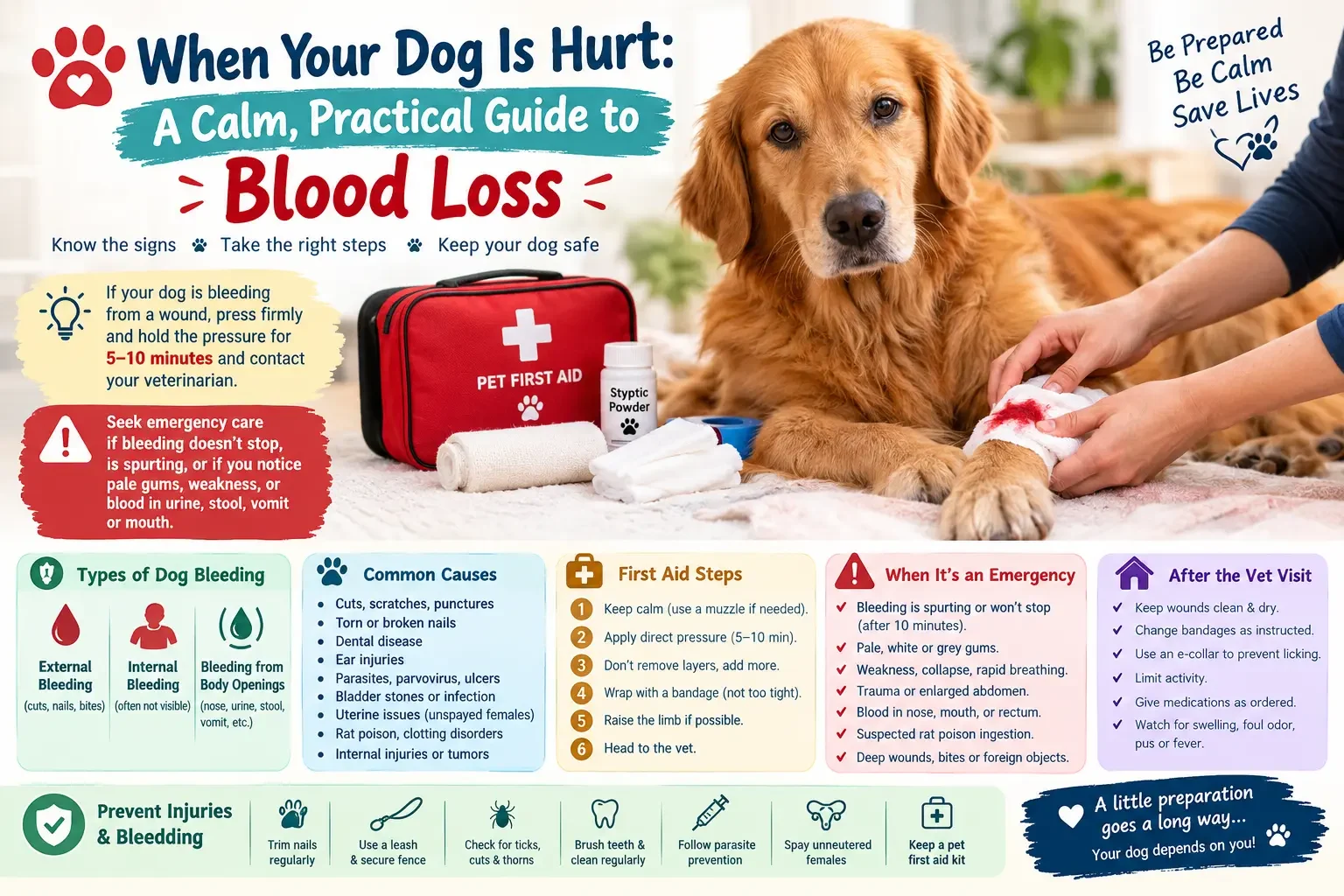
When Your Dog Is Hurt: A Calm, Practical Guide to Blood Loss

There’s nothing more terrifying to a pet owner than spotting blood on their pet. Dogs can bleed from a tear in his nails leaving red paw prints, a cut from a walk, or blood in the urine or feces, from a minor scrape to a life-threatening emergency. Deciding what to do in the first few minutes can save your dog’s life and knowing when to stop treating at home and go to your veterinarian can save a life.

Answer:

If your dog is bleeding from a wound, press it firmly and hold the pressure for 5-10 minutes and contact your veterinarian. If bleeding does not stop, if it is spurting, if your dog’s gums are pale or weak, or if blood is seen in urine, stool, vomit or mouth, visit an emergency clinic immediately.

Types of Dog Bleeding

Bleeding can come in many forms and each form gives clues to the severity of the bleeding.

  • External Bleeding: Blood is flowing out of the body through the skin. It contains cuts, bite wounds, torn nails and scapes. Oozing blood is less serious than blood that spurts or pours, indicating damage to an artery.
  • Internal Bleeding: Internal bleeding is bleeding inside the body and usually there will be no blood evident. This can happen after a car accident, after a fall, after a ruptured tumour or after poisoning, and it is always an emergency.
  • Bleeding from Body Openings: Bleeding from body openings refers to nosebleeds, bloody vomit, blood in the stool, blood in the urine and vaginal discharge. These can be a sign of illness, infection, clotting disorders or injury and should be treated by a vet.

Common Causes

There are numerous causes of bleeding in dogs. Most frequently come across are:

  • Fights, sharp objects or rough play causing cuts, scratches or punctures
  • Bleeding nails are also torn, broken nails that have great blood supply in the nail.
  • Blood from gums due to dental disease or chewed object
  • Bleeding of ear flaps due to head shaking, biting or ear hematoma.
  • Parasites, parvovirus, ulcers and diet problems can cause blood in the stool or vomit.
  • Infections, bladder stones or bladder inflammation can cause blood in the urine.
  • Uterine infection or tumors in unspayed females, or bleeding from a heat cycle.
  • Ingestion of rat poison that prevents blood clotting
  • Clotting disorders and low platelets – such as those associated with tick-borne disease or immune disorders
  • Internal bleeding, including ruptured splenic mass

When to Seek Emergency Care

In the event of an emergency, this guide should be consulted to determine which veterinary services are needed. If you see any of the following, consider dog bleeding an emergency:

  • Sputtering, pouring or oozing blood through a bandage in minutes.
  • If bleeding does not stop after 10 minutes of firm pressure,
  • Gums that are pale, white or grey.
  • Weakness, collapse, rapid breathing, rapid heart rate
  • Trauma-induced hard, enlarged abdomen
  • Blood in the nose, mouth or rectum from an unknown cause
  • If you suspect that your pet has eaten rat poison or experienced bleeding after eating some, please contact your veterinarian.
  • A wound that is deep or has been bitten or a foreign object in the body.

Note: Internal bleeding may not be visible. If your dog is quiet, cold or “off” after an accident, visit the same day, even if there is no wound apparent.

First Aid for Dog Bleeding

The first aid kit for dogs with bleeding. Should your dog be bleeding from a wound, follow these steps until you can get him to the vet:

  1. Assure your dog and yourself that you are both calm. Pain and fear can make even gentle dogs bite. Use a soft muzzle if necessary, but not if a dog is vomiting, is having trouble breathing or is unconscious.
  2. Apply direct pressure. Use clean gauze, towel or clothing. You should press down and hold for 5-10 minutes without lifting your hand to look; this can disrupt the clot that is forming.
  3. Do not delete layers, add layers. Add more material and continue pressing if it seepes through.
  4. Wrap it. After bleeding subsides, cover with a bandage or self adhesive wrap. Tie snugly, but not too tight, and be sure to get a finger under it. To determine if the wrap is too tight, look for swelling or coolness on the toes of a leg.
  5. Raise up, if possible. Elevating a bleeding limb above the heart can help to reduce the flow of blood.
  6. Head to the vet. Deep wounds, bites and punctures often require cleaning, stitching, or antibiotics, even when the bleeding has stopped.

What Not to Do

A tourniquet should only be applied for life-threatening bleeding from the limbs as a last resort because it can cause serious damage to the affected tissue. Never remove objects from the body. Avoid using hydrogen peroxide or alcohol on wounds or using human medications like ibuprofen or paracetamol (acetaminophen) as these can be harmful to dogs.

Handling Common Situations

  • Bleeding toenail: Apply a Styptic powder to the tip of the nail. If you don’t have one, cornstarch or flour pressed hard on the nail will suffice. With dog still, hold for several minutes.
  • Nosebleed: Try to calm your dog down and apply a cold compress to the bridge of his nose. Avoid tilting the head back. Nosebleeds may be a sign of serious illness or poisoning so contact your vet.
  • Minor scrape: Thoroughly flush with clean water or sterile saline, dry and maintain clean. Keep away from licking, and monitor for redness, swelling and discharge.
  • Presence of blood in urine or faeces: If possible take a new sample, and say how long this has been occurring and make a vet call as soon as possible. If your dog is drowsy, vomits or the blood is thick, go in right away.

Diagnosis and Treatment at the Vet

The diagnosis and treatment of bleeding in Vets. The first priority is to calm your dog down. Your veterinarian may insert an IV catheter into your goat or provide intravenous fluids, pain medication, and medication to help stop the bleeding. Diagnostic tests then pinpoint the cause and may include:

  • Blood tests: examination of red cells, platelets and organ function
  • Blood sugar levels: indicate blood sugar status and if the blood glucose is becoming elevated.
  • X-ray and ultrasound: check for internal injuries, tumors or abdominal fluid.
  • Tests of urine and stool: detect infection, parasites or crystals.

The treatment will be directed by the cause. Cleaning and suturing of wounds may be necessary. The treatment for rat poison is to give it vitamin K and sometimes a transfusion. If blood loss is severe, a blood transfusion will be needed, and if there’s a ruptured tumour or internal injury, emergency surgery might be necessary. Promptly intervening can mean the difference between full recovery and a critical outcome in many cases.

Home Care After Treatment

If a dog was seen by a veterinarian for bleeding, it is important to follow the veterinarian’s instructions carefully:

  • Wounds must remain clean and dry, bandages changed as instructed and an e-collar used to prevent licking and chewing of wounds.
  • Limit activity to allow wounds to heal and administer all medications as ordered.
  • If you notice any fresh blood, swelling, foul odor, pus or fever, call your vet.

How to Prevent Injuries and Bleeding

How to stop injuries and bleeding. While not every accident will be avoided, there are some habits that will help reduce the risk of dog bleeding:

  • Store rodent baits and poisons securely and do not apply rodenticides in areas where pets are likely to be.
  • Regularly cut nails to prevent snags and tears
  • Always wear a leash in areas with lots of activity, and keep a secure fence at home.
  • Inspect paws and coat after walks for cuts, thorns and ticks.
  • Follow your veterinarian’s recommendations for tick and flea prevention.
  • Brush teeth and get dental cleaning.
  • To prevent some tumors and uterine infections, spay unneutered females.
  • Have a pet first aid kit (with a salvinus, self adhesive wrap, styptic powder, saline and your veterinarian’s number).

Conclusion

A calm response makes all the difference when it comes to dog bleeding. Apply firm pressure, cover wound and contact a veterinarian promptly if the bleeding is profuse, does not stop, or is accompanied by pale gums, weakness or collapse. Have a first aid kit at home, know the emergency symptoms and have the number of your vet and the closest emergency clinic saved in your mobile phone. If you have any questions, speak with a vet. Better to be checked than not.

Frequently Asked Questions

What is the maximum time to apply pressure to get bleeding to stop?

Apply sustained, firm pressure for 5-10 minutes (no checking). If it doesn’t slow down by that point, place additional layers on top, and visit a vet right away.

When is bleeding in dogs an emergency?

If the bleeding is spurting, if it doesn’t stop after 10 minutes of pressure, if the gums are pale, if your dog is weak or collapsing, or if it is followed by trauma or poison, it is an emergency.

Can I use human antiseptics or painkillers on my dog?

Don’t use hydrogen peroxide or alcohol on wounds because they can be harmful. Do not administer human painkillers such as ibuprofen, naproxen or paracetamol (commonly used for human pain) as these can be toxic to dogs. Ask your vet first.

What do I do if my dog’s nail is bleeding?

Styptic powder or cornstarch can be applied to the tip of the nail and pressure applied firmly. The majority of nail bleeds will fade within a couple of minutes. Do not wait, if it does not stop, see a vet if it is badly broken.

Why is my dog’s nose bleeding?

It is caused by injury, foreign objects, infections, tumors, clotting disorders and poisoning. As it may be a serious issue, reach out to a vet on the day of the occurrence.

What are some of the symptoms of internal bleeding?

Check for pale gums, weakness, cold limbs, rapid breathing, a swollen abdomen and collapse. Dogs can have these symptoms without any blood apparent.

Should my dog be taken to the vet if the blood is in its stool?

It can be. This may be caused by a stomach upset, parasites, parvovirus or ulcers. Black, tarry stool or blood is heavy with vomiting or lethargy requires immediate veterinary attention.

What to do at home in case of emergencies?

Create an emergency first aid kit for pets, make a list of your veterinarian’s and emergency clinic’s phone numbers and know how to apply pressure bandage. Practicing before helps keep you cool.
UTI in Dogs : Symptoms

UTI in Dogs: Symptoms, Causes & Treatment | Grove Center Vet

Urinary Tract Infections (UTIs) in Dogs: Causes, Symptoms, and Treatment

A UTI in dogs could be your problem if they’ve all a sudden started to have accidents in the house, strain to urinate or have begun licking themselves more than usual. UTIs in dogs are one of the most frequently seen conditions by vets, although the condition is uncomfortable for your dog, it is relatively easy to diagnose and treat if detected early. We hope pet owners at Grove Center Vet will be able to know what a UTI in dogs is, how it can occur and what can be done if you think your dog has one.

What is a UTI in Dogs?

UTIs in dogs are caused by the bacteria entering the urinary tract via the urethra and multiplying in the bladder. The urinary tract is the place where this bacterial accumulation causes inflammation, discomfort and is what most owners report to us. UTIs in dogs usually occur in the bladder, but if the infection spreads up to the kidneys, it becomes a more serious infection known as pyelonephritis.

Female dogs are more likely to get a UTI than males because their urethra is shorter and wider to allow bacteria to ascend upward. But dogs with certain health issues such as diabetes, older dogs and male dogs are also at risk.

Common Causes of UTI in Dogs

Learning about the causes of UTIs in dogs can help you prevent them from occurring in the first place. The most common are:

  • Bacterial contamination: In dogs, the most common cause of a UTI is the presence of bacteria, most often E. coli but sometimes other bacteria such as Staphylococcus and Proteus may be responsible.
  • Bladder stones or crystals: These can cause irritation to the lining of the bladder, and act as a breeding ground for bacteria.
  • Weakened immune system: Dogs who have been ill, are undergoing chemotherapy or are on long-term steroids are more susceptible.
  • Anatomical abnormalities: Some dogs may have abnormalities in the urinary tract that increase the risk of urinary infection.
  • Diabetes: Diabetic dogs often have a UTI because the excess sugar in the urine provides a breeding ground for bacteria.
  • Holding urine for too long or poor hygiene: Dogs that don’t have a lot of bathroom time are more likely to have bacteria accumulation.
  • Age related: As dogs age, their bladder muscles and immune system become weaker, increasing the risk of a UTI.

Symptoms of UTI in Dogs

If your dog has a UTI, you may notice the following symptoms:

It’s important to catch signs of discomfort early so that you can help your dog to feel better almost immediately. Dogs with a UTI may experience any of the following symptoms:

  1. Increased urination: Your dog may want to go outside more often, but only may urinate small amounts.
  2. Straining or obstructing urination: This is a clear sign of a UTI in dogs that should never be overlooked.
  3. Blood in the urine: No matter how small a trace of blood, it may be a sign of irritation because of an infection.
  4. Accidents in the home: If a dog that has been house trained suddenly has an accident, this is a big indicator.
  5. Cloudy urine or strong odor: The chemical makeup and odor of urine is altered by infection.
  6. Excessive licking of the genital area: Dogs will try to alleviate the irritation.
  7. Lethargy or loss of appetite: In a more advanced stage, the dogs will appear generally unwell.
  8. Fever: Infection may travel to kidneys causing fever.

When these symptoms are seen in combination, it is a red flag indicating that your dog may have a UTI that should be evaluated by a veterinarian.

How Grove Center Vet Diagnoses a UTI in Dogs

A physical examination and thorough history of your dog’s symptoms will begin the process of diagnosing a UTI. Our veterinary staff usually suggests:

  • Chemistry of the urine: This is a test to look for bacteria, blood cells, crystals, and pH imbalances in the urine.
  • Urine culture and sensitivity: This helps to find the specific bacteria that is responsible for the infection and allows for the selection of antibiotics that will be most effective.
  • Bloodwork: In recurrent cases, bloodwork can help eliminate other possible underlying causes of the UTI such as diabetes or kidney disease.
  • Imaging (X-ray or ultrasound): If bladder stones or structural problems are suspected, imaging plays an important role in diagnosis and to exclude complications.

Correct diagnosis is critical as treating a UTI in a dog without knowing what bacteria is causing the infection can be ineffective and over time can build up a resistance to antibiotic treatment.

Treatment Options for UTI in Dog

The positive thing is that the majority of canine UTIs can be treated quite successfully. Your veterinarian will decide on the treatment based on the severity and cause of your dog’s symptoms, so treatment may involve:

  • Antibiotics – These are used as the main treatment for a bacterial UTI, and are usually prescribed for 7-14 days depending on how severe it is, in dogs.
  • Anti-inflammatory medications: will help to alleviate any symptoms of pain while awaiting the effects of the antibiotics.
  • More water: Make it more likely that bacteria will be washed out of your dog’s urinary tract quickly.
  • Dietary changes: If a dog is having recurrent urinary tract infections that are associated with bladder stones or crystals, then a prescription urinary diet may be recommended.

In very rare cases where large bladder stones are present or the bladder’s anatomy is abnormal, surgery may be required to help prevent future infections.

Even if your dog appears to be recovering after a few days, it’s important to finish the entire course of antibiotics. One of the most frequent causes of a UTI recurring or not improving in dogs is not finishing the treatment.

How to Prevent UTI in Dogs

Not all dog urinary tract infections can be prevented, but there are steps that owners can take to greatly minimize the risk:

  • Make sure that fresh clean water is available at all times to ensure frequent urination.
  • Give your dog regular toilet trips so he doesn’t have to hold its urine too long.
  • Keep in mind good hygiene practices, particularly for long haired breeds and female dogs.
  • Properly feed a balanced diet, suitable for your dog’s age and health requirements.
  • Make regular veterinary appointments to identify early signs before they get out of hand.
  • Watch for abnormal drinking and urination patterns, particularly for older dogs or dogs with chronic diseases.

Regular preventive treatment is one of the most effective treatments available to decrease the likelihood of UTIs recurring in affected dogs, especially in breeds and individuals with a high risk for recurrent UTIs.

Call Grove Center Vet If You Have Any Questions About the Health of Your Pet

If a dog shows any symptoms of a UTI, do not put it off for a later date if symptoms are worsening. A simple bladder infection can turn into a kidney infection, a much more severe and expensive to treat condition. We’re here at Grove Center Vet to help get your dog feeling like themselves again as soon as possible, and will be able to diagnose and treat any urinary problems in a timely fashion.

Conclusion

UTI can be treated and is a common condition if discovered in a timely fashion. The symptoms include frequent urination, straining, blood in the urine, lethargy and more, and are often very obvious enough for an attentive pet owner to catch quickly. Most dogs make a full recovery with early diagnosis, proper antibiotics and supportive treatment within a week or two. Let your dog’s health and comfort be your priority, and if your dog is displaying any signs of discomfort when urinating, don’t hesitate to make an appointment with Grove Center Vet to get your dog the treatment he needs as early as possible.

Frequently Asked Questions

  1. How to recognize that your dog has a UTI?

Symptoms include frequent urination, straining to urinate, urine with blood, indoor accidents, and excessive licking of the genital area. If you see these signs, see the veterinarian.

  1. Do dogs with UTI clear up on their own?

It’s rare for a UTI to resolve without treatment. Most cases need antibiotic treatment to eradicate the infection and to prevent it from passing to the kidneys.

  1. Does a UTI hurt dogs?

Yes, they may have a UTI and they will often be very uncomfortable or painful when they have to go to the toilet and become very irritated in the lower abdomen.

  1. What is the duration of a dog’s UTI?

With antibiotic treatment most infections resolve in 7 to 14 days, but some are more severe or recurrent, in which case it may take longer.

  1. Do male dogs get UTI’s as well?

Yes, male dogs can also get UTIs, though it’s less frequently seen compared to female dogs, particularly if they have prostate or bladder disease.

  1. What foods can help prevent UTI in dogs?

Diets that are healthy for the urinary tract and promote adequate fluid intake can help. If your dog is prone to urinary infections, your vet may prescribe a special urinary care formula.

  1. Do some breeds of dogs have a higher risk of developing UTIs?

Dogs with skin folds around the genitals, such as Bulldogs and Basset Hounds, and senior dogs are at greater risk of infection.

  1. Is there a connection between a dog’s stress and UTI?

Stress does not cause bacterial infections but it may cause a person’s immune system to become weak, thus increasing the likelihood of a UTI.

  1. What are the consequences of not treating a UTI in dogs?

If not treated, infections can travel to the kidneys, causing a more severe and life threatening illness called pyelonephritis.

  1. How often should I bring my dog to Grove Center Vet for urination problems?

If your dog exhibits symptoms such as straining, blood in urine, frequent accidents or lethargy, see your vet immediately, as your dog’s symptoms may not resolve.

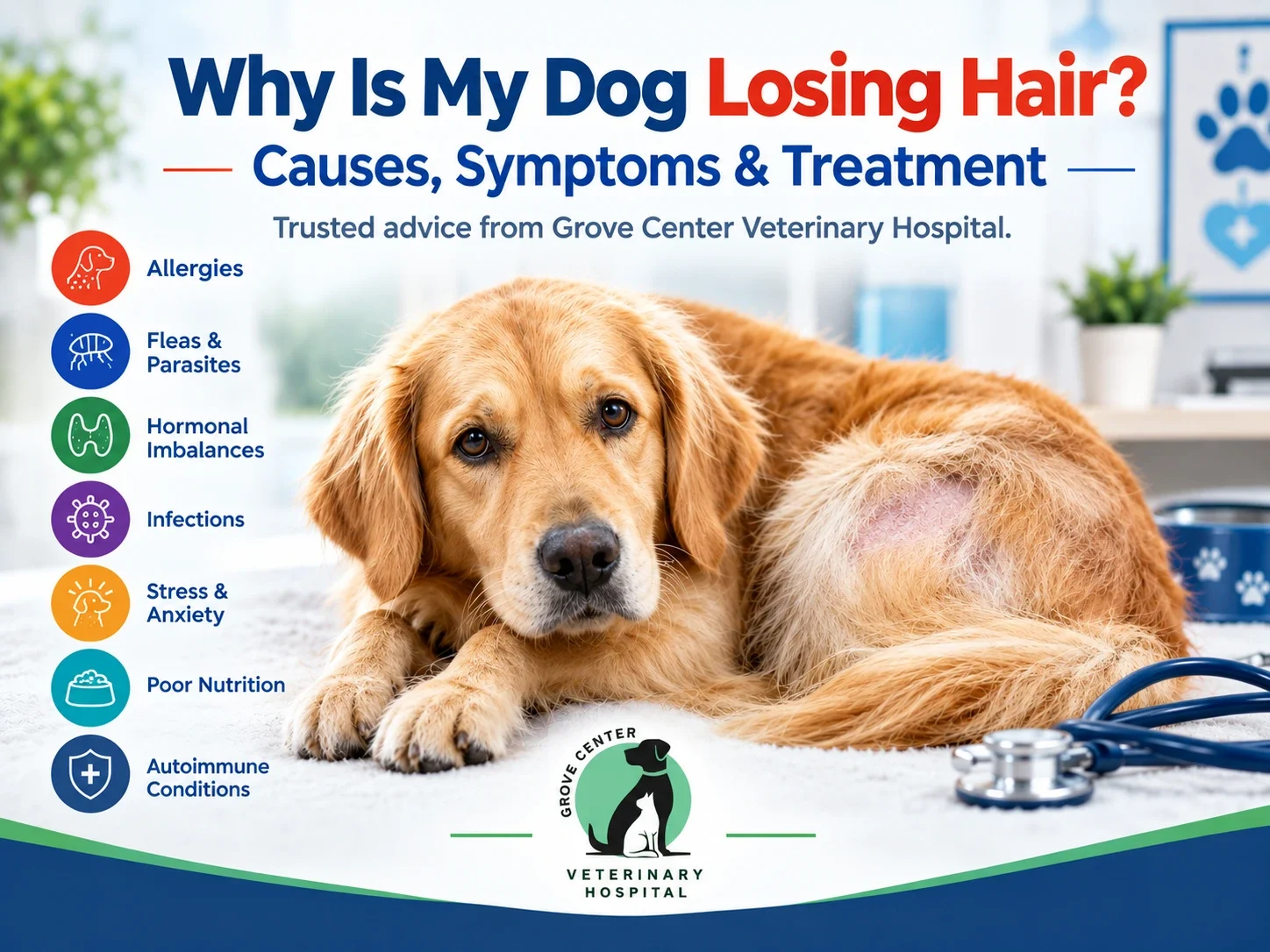
Why Is My Dog Losing Hair

Why Is My Dog Losing Hair? Causes, Symptoms & Treatment | Grove Center Veterinary Hospital

Why Is My Dog Losing Hair? A Complete Guide for Worried Owners

If you see a lot of fur on the couch, or if your dog has bald patches on its skin, it’s easy to come to the conclusion that the reason is that your dog is losing hair. It’s one of the most frequent issues presented at Grove Center Veterinary Hospital and there’s a reason for that: hair loss in dogs can indicate a wide variety of issues, ranging from seasonal shedding to the presence of a medical condition that requires treatment. Because there are many different reasons why dogs lose their hair, when owners ask, “Why is my dog losing hair?,” the answer will depend on the pattern of hair loss, if there are any symptoms, and the overall health history of the dog.

This guide explains the most frequent causes of a dog’s hair loss, when the hair loss might indicate a more serious underlying issue, when to contact your veterinarian, and what might be the treatment plan. Knowing the reason for your dog’s early baldness could be the key to a simple and rapid solution versus a more chronic and uncomfortable experience for the dog.

Why Is My Dog Losing Hair? The Short Answer

There are a number of common general reasons why certain dogs lose their fur, including allergies, parasites, hormonal imbalances, infections and stress. While it is normal to lose hair from time to time, particularly during the spring and autumn shedding season of double-coated animals, if you are wondering: why is my dog losing hair in patches, unevenly, or with itching and redness, then it’s time to investigate further. The distribution, extent and rate of hair loss all provide useful information on the cause of the loss.

There are certain medical causes of hair loss that are common in dogs. Certain medical causes of hair loss are widespread, for dogs.

The most common conditions veterinarians see when clients ask, “Why is my dog losing hair?” are:

  1. Allergies

One of the most frequent responses to the question of why is a dog losing hair is that they are allergic to something, such as the food they are eating or a flea or environmental allergens such as pollen and dust mites. Itching is a very common symptom of an allergy that will cause a dog to scratch and lick in excessive amounts, resulting in hair loss on the affected area.

  1. Fleas and other parasites

One of the common reasons given when owners ask why is my dog losing hair is the fleas, particularly around the tail, groin and back legs. There are dogs that get a reaction from a flea bite, leading to flea allergy dermatitis: so severe that they become itchy and start losing hair from just a single bite. Other causes to consider are parasites such as mange caused by mites.

  1. Hormonal Imbalances

For middle age and senior dogs, there are answers for why is my dog losing hair, such as hypothyroidism and Cushing’s disease. Usually, this is a symmetrical process of hair loss and does not cause itching (unlike allergic causes of hair loss).

  1. Fungal or Bacterial Infections

Although the name suggests otherwise, ringworm is a fungal infection and one of the most common causes of dog hair loss and is the cause that many owners ask why is my dog losing hair in circular crusty patches. Patches of hair loss may also result from bacterial skin infections, which may be accompanied by an odor, redness or pus-filled bumps.

  1. Stress or Anxiety

One of the reasons why is my dog losing hair is a chronic stress and anxiety. Stress can cause some dogs to lick or chew in certain areas to the extent of causing bald spots, especially on legs or paws.

  1. Poor Nutrition

Sometimes, an unbalanced or poor diet is responsible for the loss of hair in dogs. A lack of needed fatty acids, protein or some vitamins can cause this, as the coat strength will be compromised resulting in shedding or thinning fur.

  1. Autoimmune Conditions

Rarerly, autoimmune diseases also can contribute to the reasons why is my dog losing hair, especially if the hair loss is accompanied with skin lesions, crusting or changes to pigmentation.

Non-Medical Causes of Hair Loss

Sometimes, the loss of hair is not related to a health issue. Let’s try considering these more benign explanations first:

  • Shedding: Some breeds shed a lot in the spring and fall due to the changing weather.
  • Normal ageing: As dogs get older their coats may naturally become thinner, which is not a disease.
  • Rubbing or friction: Rubbing or friction can cause the loss of hair on the elbows or hips.
  • Recent grooming or clipping: This is a very short cut, and can sometimes appear to be hair loss until it grows back in.

Even when all these simpler causes have been eliminated, it may still seem logical to seek veterinary advice if you’re still wondering why is my dog losing hair?

Symptoms That Can Accompany Hair Loss

Do not solely concentrate on the loss of the fur when asking the question why is my dog losing hair. Look for the following symptoms to help your vet determine the cause:

  • Rusting, scabbing or crusting of the skin
  • Excessive scratching, licking or chewing
  • Smelly skin or coat
  • Any changes in skin color or thickening
  • Lethargy or weight gain, that may indicate hormonal issues
  • Fleas or flea dirt are visible, or mites can be seen
  • Pupils will show signs of stress or discomfort through behaviour

When you notice the symptoms of losing hair along with several of these, it is crucial that you have your dog checked by a vetenarian as soon as possible as to why is my dog losing hair?

When to Take Your Dog to the Vet?

If you are wondering why my dog is losing hair and the shedding is more than usual, patchy, or accompanied by itching, skin changes, then it’s time to make an appointment at Grove Center Veterinary Hospital. If you experience any of these there is a reason to seek treatment early:

  • Grasps that any skin that is open, scabbed or bleeding ought to be avoided.
  • A definite smell from the skin.
  • Sudden and extensive hairfalls
  • Changes in body weight or drowsiness
  • Difficulty getting comfortable in the horse’s mouth

Waiting too long to find out the cause of a dog losing hair may mean that a condition such as infection or allergy will get worse and cause your dog more discomfort and longer treatment time.

How Your Vet Determines the Cause of Hair Loss

Your veterinarian will normally use a combination of the following to determine the reason for your dog’s hair loss:

  1. Examination of the hair loss pattern, location and physical examination of the skin.
  2. Skin scraping: looking for mites, mange, or parasites under a microscope.
  3. Culture of fungus: examination for ringworm or other fungal diseases.
  4. Bloodwork: testing thyroid function and screening for other hormone imbalances, such as Cushing’s disease.
  5. Allergy testing or elimination diet: determining what food and/or environmental allergies are leading to hair loss.

These diagnostics help your veterinarian go from a general question (“Why is my dog losing hair?”) to a specific, treatable diagnosis and treatment plan.

Caring for Your Dog’s Coat at Home

In addition to working with your veterinarian to find out why is my dog losing hair, there are a couple of things you can do at home that can help keep your dog’s skin and coat healthy:

  • Provide good high-quality, balanced diet including protein and omega fatty acids.
  • Continue year round flea and parasite control.
  • Brush your dog often to spread the natural oils of the coat and catch potential problems right away.
  • Try not to use harsh shampoos that will dry out sensitive skin.
  • Record when hair loss began and if there is any behavioral change and share with the vet.

Grove Center Veterinary Hospital’s Benefits

Now, if you’ve been scouring the Internet for why is my dog losing hair, bringing your dog to an experienced veterinary team will be the best method to get real answers. In Grove Center Veterinary Hospital, we perform a complete examination of your dog’s skin and coat along with cutting-edge diagnostic testing to uncover the root cause of your dog’s hair loss and not leave you to guess. Changes in your dog’s coat can be alarming and we are here to help you from diagnosis to treatment.

Conclusion

So what is causing my dog to shed? It may be as simple as seasonal shedding or as complicated as an allergy, parasites, hormonal imbalance or infection. The pattern and the symptoms are hugely important so you’d better listen up carefully than to guess. If you have been wondering, what is causing my dog to lose hair for more than a couple of days, plus any changes in it, itching, redness, etc., please come visit Grove Center Veterinary Hospital to get a good diagnosis and have your dog feel better.

Frequently Asked Questions (FAQ)

What is causing my dog to experience balding and hair loss in patches?

Fungal infections such as ringworm or mite or local allergy can cause patchy hair loss. A veterinary examination and testing will be able to determine the exact cause.

Do dogs shed excessively in the fall?

Yes, all breeds shed on a regular basis in spring and fall as they change their coats to accommodate the seasons. This shedding does not tend to be irritating and is generally even.

What are the reasons for a dog to shed?

A lack of protein, essential fatty acids and some vitamins may lead to poor coat condition, and thinning coat or shedding.

If my dog is losing hair, but not scratching, is there a problem?

Yes, balding without scratching may be a hormonal problem, which may be due to hypothyroidism or Cushing’s disease, and should be checked out by a vet.

Is stress a cause of balding in dogs?

Yes. Compulsive licking and chewing may occur with chronic stress or anxiety and can cause bald spots, especially on the legs and paws.

What is the treatment for hair loss in dogs?

Treatment depends on the underlying cause and can involve flea and parasite control, dietary adjustments, allergy management, antifungal or antibacterial drugs, and/or hormonal therapy.

Dog Health Checkup

Dog Health Checkup Guide: Why, When & What to Expect | Grove

The Complete Guide to a Dog Health Checkup: Why Every Dog Owner Needs One

All dog owners are looking for a long and healthy life for their beloved pets—and the best way to assure that is to get your dog a routine dog health checkup. A dog health exam isn’t a once-a-year procedure you do because you have to; it’s a preventative measure that is proactive and can detect issues before they escalate to a crisis. Puppies are bouncy, growing dogs, adults are active, and seniors are slower. A dog health checkup allows your veterinarian to give your dog a tune-up and make sure the engine is in good running order.

At Grove Center Veterinary Hospital, we know first-hand that a regular schedule of dog health checkups can make a difference for pets and pet owners. This guide explains why a dog health checkup is important, what you can expect at your appointment, how often you should have a checkup, what symptoms might indicate that you shouldn’t delay a checkup, and how to maximize your checkup success.

The Importance of a Dog Health Checkup Is Greater Than You Realize

Dogs are masters of masking their symptoms and signs of pain and disease. Weakness in the wild is a vulnerability and your dog’s willingness to sleep on the couch hasn’t taken that away. This is one of the reasons a dog health checkup is essential—it’s because a trained professional can see inside the dog and pick up on the subtle changes that you, as a loving non-clinical observer, might not notice.

A complete dog health examination can detect early symptoms of:

  • Dental disease, which is a major cause of dog pain, and is common to most dogs by three years of age.
  • Increased body weight and the resulting stress on the joints.
  • Heart murmurs or irregular heart rhythms.
  • Skin health issues, along with allergies and parasites.
  • Kidney or liver changes at an early stage that can be seen in blood tests.
  • Poor eyesight or hearing, particularly in older dogs.

These problems can go unnoticed until they become more painful and costly to treat, without routine health examinations. Reactive treatment is almost always more stressful for your dog and it is more expensive than preventative treatment.

What Happens During a Dog Health Checkup?

If you’ve never been to one before, you should have no reason to worry, as you and your dog will know what to expect. A routine examination at Grove Center Veterinary Hospital usually comprises the following:

  1. A Thorough Physical Checkup

Your veterinarian will examine your dog’s eyes, ears, teeth and gums, skin and coat, joints and abdomen. This hands-on part of the dog health exam frequently is the first indication of a problem, whether it’s a lump under the skin or a joint that’s tender.

  1. Body Condition Score (BCS) and Weight

A dog health checkup will include weight management. Your vet will use your dog’s body condition score to see if they are underweight, have the perfect weight, or are overweight which may put strain on your dog’s heart and joints over time.

  1. Heart and Lung Auscultation

The vet uses a stethoscope to hear abnormal lung sounds, murmurs, or irregular heartbeats. This part of the dog health checkup is fast but vital, as cardiac and respiratory problems may be dormant for lengthy periods of time.

  1. Dental Assessment

A dental examination is nearly always a part of a dog health checkup, since dental disease is extremely prevalent. Build up of tartar, gum inflammation, and loose teeth are all early signs that can be detected to prevent a painful dental emergency.

  1. Vaccines and Deworming

A dog health check is when core vaccines should be updated and flea, tick and heartworm prevention should be discussed, depending on the age and past experiences of the dog.

  1. Bloodwork and Diagnostic Testing

Bloodwork can be a component of a dog health checkup for adult and senior dogs to assess organ function, blood cell counts and screen for conditions that may not have any external symptoms.

  1. Behavioral and Lifestyle Discussion

A thorough dog health exam doesn’t just involve the body. Your veterinarian will want to know what you are feeding, how much you are exercising, how much you are sleeping, and if there have been any changes in behavior since you began noticing that there is a problem. The reason is that all of this information can help identify the cause of the health issue.

How Many Dog Health Examinations Are Frequent Enough?

Your dog’s health checkup frequency will vary greatly depending on your dog’s age and health condition:

  • Puppies (under 1 year): Dog health checks every 3-4 weeks until the dog is fully vaccinated and then bi-annually.
  • Adult dogs (1-7 years): One dog health checkup every year is normally enough for healthy adult dogs.
  • Senior dogs (7+ years): Senior dogs should have a dog health checkup every 6 months as age-related issues can rapidly develop.

If your dog has a chronic disease, a more regular dog health checkup schedule may be recommended by your veterinarian to track the continued treatment of your dog’s chronic health issue.

Following this rhythm will mean your dog’s health is not up for speculation. Having a predictable dog health checkup schedule also helps your veterinarian spot any changes year over year, whether they be a loss of mobility, weight gain or loss, or bloodwork changes.

Indications That Your Dog Needs a Checkup Sooner Than Scheduled

Dogs have a schedule for a routine health exam, but certain symptoms do not warrant a waiting period. If you see any of the following signs, please contact Grove Center Veterinary Hospital immediately:

  • Sudden weight loss or gain
  • Weakness or unwillingness to walk
  • Changes in eating or drinking habits
  • Throwing up, diarrhea, or blood in stool
  • Lameness or inability to stand up
  • Excessive scratching and loss of hair
  • Drooling and/or pawing at the mouth, with foul odor
  • Wheezing, coughing, or difficulty breathing

Any of these should be the reason for a dog’s health checkup earlier than later, as early intervention will most likely result in a better outcome.

How to Prepare for Your Dog’s Checkup

Some planning can make a dog health exam efficient and effective:

  1. Record any changes that have occurred in appetite, energy, bathroom needs, or behavior.
  2. If your vet needs to get a stool sample for parasite screening, bring a stool sample with you.
  3. Include prescribed medications and supplements currently being taken and dosages.
  4. Keep track of treats and table scraps that your dog is eating.
  5. Calm your dog before arriving; take a stroll to expend nervous energy.

Your vet will be able to use the time efficiently and make sure that the dog health checkup is complete and relevant to your pet’s current situation.

How Much Does a Dog Health Checkup Cost?

The expense of a dog health checkup depends on your dog’s age, the tests that are performed, and your area. The most basic wellness exam is the least expensive; a dog health checkup with bloodwork, vaccinations, or dental cleaning is more expensive. Many veterinary hospitals, such as Grove Center Veterinary Hospital, provide wellness plans that combine routine examinations, vaccinations, and other preventative measures for the dog into a fixed payment structure, thus helping you to more easily plan for your dog’s future health requirements.

Why Select Grove Center Veterinary Hospital for Your Dog’s Checkup?

Dog health checks are not all the same. We perform a comprehensive, relaxed, and thorough exam for each dog at Grove Center Veterinary Hospital which includes hands-on and innovative diagnostic techniques. A dog health checkup should provide answers, but not more questions. We strive to have a long-term partnership with you and your dog, and each visit comes with a baseline understanding of what we’ve learned about your dog’s past and patterns.

If you haven’t been to the veterinarian in a long time, now is the perfect time to book a dog health exam and be sure your dog receives the preventive care he deserves.

Conclusion

One of the easiest and best things you can do for your dog’s lifelong health is to have them examined for their health. From the early detection of dental disease to the early detection of a heart murmur, routine vet visits make a difference in your pet’s health. It’s important for puppies, adults, and seniors to have regular checkups on their health, and it can be helpful to know the signs to look for that warrant a visit sooner rather than later. Please do not let a little problem become a big problem—book your dog’s next appointment with Grove Center Veterinary Hospital and make your best friend a healthier dog.

Frequently Asked Questions

At what interval should I get my dog a health checkup?

Generally, a dog’s health examination should occur once a year for adult dogs, more often for puppies in the first year of their life, and every six months for senior dogs.

What should be part of a routine dog exam?

A normal exam will consist of a physical examination, weight check, heart and lung exam, dental exam, review of vaccination status, and sometimes blood tests or tests for parasites.

What is the price of a dog health checkup?

The expense of a dog health checkup varies, and can include anything from a simple checkup to bloodwork and vaccinations or dental cleaning. Grove Center Veterinary Hospital can give you a custom quote.

Are there ways to detect diseases in a dog in the early stages with a health checkup?

Yes. A dog health checkup looks for things such as dental disease, obesity, heart disease, and organ problems before they reach serious proportions; often this is accomplished by physical examination and bloodwork.

What should I bring to my dog’s exam?

To get the most out of the dog health checkup, take a list of any symptoms or behavior changes, current medications, and a stool sample if requested.

Do I need to take my dog to a health checkup if he/she appears healthy?

Yes. Dogs are careful in showing symptoms of illness and a dog health checkup can detect hidden problems that may not be evident at first hand, even in a dog which looks absolutely healthy.

Dog Poisoning Symptoms: infographic

Dog Poisoning Symptoms: Warning Signs Every Owner Should Know

Dog Poisoning Symptoms: What Every Pet Owner Needs to Know

There are few more terrifying moments than when your dog suddenly gets sick and you don’t know what happened. Poisoning is one of the most frequent (and certainly most urgent) of the causes of sudden illness in dogs. From a chocolate bar that’s accidentally left on the counter, a toxic plant in the backyard, or a spill of a household cleaner, dogs are inquisitive creatures and may find themselves in situations they don’t need to be. If you catch the signs of possible poisoning early, you could save your dog’s life or prevent a life-threatening emergency.

Poisoning cases come in at Grove Center Veterinary Hospital every day, and when you aren’t sure if your dog’s symptoms are serious, it can be very overwhelming. This guide explains the most common signs of dog poisoning, the usual culprits and how to deal with it if your dog has eaten or consumed something that may be toxic.

Why Dogs Are More Likely to Become Poisoned Than Other Animals

Dogs use their noses and mouths to find out what’s going on. They search out food leftovers, eat plant leaves, lick up spills and raid garbage cans without an idea of what is safe to eat. It is this natural curiosity that makes dog poisoning symptoms one of the most common veterinary emergencies. Common culprits include:

  • Foods consumed by people such as chocolate, grapes, onions, and food made with xylitol (sugar substitute in gum and baked goods)
  • Pesticides, cleaning products, antifreeze are examples of household chemicals.
  • Medications (Human and Veterinary) particularly if accidentally left where children can reach them
  • Toxic plants, such as lilies, sago palms and azaleas
  • Poisoning can result from using rodenticides or insecticides around the house or yard.

There are a lot of things around a house that can be dangerous, so it’s one of the most important pet owner skills to have to recognize dog poisoning symptoms quickly.

Dog Poisoning Signs and Symptoms

The signs of dog poisoning can be very different depending on the type of poison consumed, the amount consumed and your dog’s size and health. There are a few signs of poisoning that tend to reappear in all forms of poisoning, however. If you see any of the following, it is important that you consider it an emergency situation.

  • 1. Vomiting and Diarrhea

One of the earliest signs of dog poisoning is gastrointestinal upset. This is frequently the body’s way of trying to get rid of a toxin that was consumed shortly after eating something unusual. Anything out of the ordinary, such as colour changes, blood or an unusual smell, can be a clue to your vet on what’s causing the issue.

  • 2. Sudden weakness or lethargy.

If a dog starts to appear tired, weak or unwilling to move around suddenly, it could be a sign that the toxin is affecting the nervous system, liver and/or kidneys. An unexpected lethargy, particularly when combined with other symptoms, should never be overlooked.

  • 3. Salivation or salivation and foaming at the mouth.

One of the most common symptoms of dog poisoning is drooling, especially when caused by toxic plants, some chemicals or rotten food. May also be a sign of nausea or mouth and throat irritation.

  • 4. Shaking, “twitching” or seizures

Some of the symptoms of dog poisoning are more horrific than neurological. Exposure to some pesticides, rodenticides, recreational drugs or certain plants can cause tremors, muscle twitching, disorientation, or complete seizures. These symptoms call for emergency treatment asap.

  • 5. Difficulty Breathing

Another serious symptom of dog poisoning is labored or rapid breathing, particularly when accompanied by other indications of poisoning which may be caused by heart or respiratory tract poisons, including some rodenticides and household chemicals. When the breathing pattern changes rapidly, this can be a sign of trouble and should be taken to your vet’s attention as soon as possible.

  • 6. Loss of Appetite

One of the less noticed signs of a dog poisoning is if the dog suddenly refuses food, particularly one that is normally good for their appetite. It often goes hand-in-hand with nausea, abdomen pain or stress to any internal organs.

  • 7. Gums that are pale or yellow.

Your dog’s gum color can give you a lot of information about his health. Yellowing (jaundice) may indicate some liver function involvement, and pale gums may indicate internal bleeding or shock. These are both serious signs of dog poisoning and require immediate treatment from a veterinarian.

  • 8. An excessive increase in urine production

Some poisons especially antifreeze can make them thirsty and urinate excessively in the beginning. This is a very subtle symptom of dog poisoning, because it may appear to be your dog just drinking more water on a warm day.

  • 9. Abdominal pain or bloating.

If your dog hunches, whines when you touch it near its belly or looks bloated, it might have an irritated inner body or organ problems. Many of the dog poisoning symptoms – even consumption of chocolate or chemical exposure – feature abdominal discomfort.

  • 10. Collapse or Unresponsiveness

In severe cases, dog poisoning symptoms can progress to collapse or a loss of consciousness. Medical emergency – urgent transport to an emergency vet hospital.

How Fast Do Dog Poisoning Symptoms Occur?

The onset of symptoms is very different for each toxin. Other substances such as some human medicines or chocolate may cause symptoms of dog poisoning within 30 minutes to a few hours. Some other products may not cause noticeable symptoms for 12 to 36 hours after poisoning has occurred, but internal damage is already taking place. This is one of the most hazardous characteristics of poisoning—that the symptoms may not be evident at dog poisoning first signs and symptoms, and the owner may think that because his dog looks fine, he is.

Due to this uncertainty, do not delay in taking your dog to the hospital if you know or suspect it has eaten something harmful. Call your vet or an animal Poison Control Center immediately.

If You See Any Signs of Dog Poisoning, Take Them to the Vet

When your dog displays any of the symptoms listed above, it’s time. Here are some guidelines to follow:

  1. Be calm, and take stock of the situation. Determine if your dog might have eaten something, how much, and when.
  2. Review the ingredients and symptoms of your pet’s medications. As detailed as possible, describe the symptoms you are seeing in the dog that you think are characteristic of poisoning.
  3. Never try to make someone vomit unless told to by a professional. Some of these materials are more harmful when introduced into the body again than when they are in the bottom, so proceed with caution and under the guidance of a professional.
  4. Bring evidence with you. Take the package, plant or substance your dog may have eaten to their vet visit if possible.
  5. Transport your dog in a manner that will minimize stress to their body.

Grove Center Veterinary Hospital is prepared to respond to poisonings quickly and effectively, which includes prompt diagnostics and treatment, such as inducing vomiting (when necessary), giving activated charcoal, administering IV fluids and supporting organ function as your dog recovers from the toxin.

Take Steps to Keep Dogs From Being Poisoned in the First Place

It’s important to know about the symptoms of dog poisoning, but prevention is always better. Here are some simple safety measures to keep in mind:

  • Use dog-proof cabinets for household and pet products, medications and antifreeze.
  • Avoid having toxic foods, such as chocolate, grapes, and xylitol sweets available.
  • Do some research on plants before introducing into your home or yard.
  • Lock bins and containers for waste materials
  • Supervise your dog outside, particularly in new places

Prevention is better than the cure; the odds of ever needing to spot signs of dog poisoning are better if you take proactive measures.

Conclusion

Poisoning is a serious and terrifying emergency and prompt identification of dog poisoning symptoms may literally save her life. These symptoms include vomiting, being lethargic, tremors and trouble breathing and should not be ignored or regarded as trivial and short-lived. Never wait to see if your dog improves if he is exposed to something that’s harmful. Call Grove Center Veterinary Hospital immediately — we are dedicated to delivering quick, caring emergency treatment to your dog when they need it most.

Frequently Asked Questions

  • What are the first indications of poisoning in dogs?

Initial signs of dog poisoning include vomiting, drooling, inappetence and lethargy. Some dogs may exhibit mild restlessness, or even disorientation before severe symptoms occur.

  • After eating a poisonous substance, how long does it take for a dog to exhibit symptoms?

This depends upon substance. The signs of dog poisoning vary, and can start to show within 30 minutes to a few hours, or may take up to 12 to 36 hours to be noticed, depending on the type of poison used (e.g. antifreeze or some rodenticides).

  • Will symptoms of dog poisoning pass?

Although the symptoms might go away, mild cases can have internal damage. When it comes to suspected toxic exposure, it’s always best to have a veterinarian assess your dog.

  • Which items are commonly found in homes that cause dog poisoning symptoms?

Common causes include chocolate, grapes, xylitol, some medications, antifreeze, cleaning products, and toxic plants such as lilies and sago palms.

  • If I believe that my dog was poisoned, should I try to induce vomiting?

Not without the help of a vet. While it may be beneficial to induce vomiting in some toxic substances, it may be dangerous in others, so it is best to consult your veterinarian or an emergency poison control center before attempting this.

  • When is it time for my dog to be taken to the emergency veterinarian if I suspect something is wrong with him due to poisoning?

If your dog exhibits any of these symptoms, such as trembling, convulsions, shortness of breath, collapse, pale or yellow gums, or vomiting repeatedly, contact your veterinarian’s office for emergency assistance — do not wait to see if it’s going to get better.

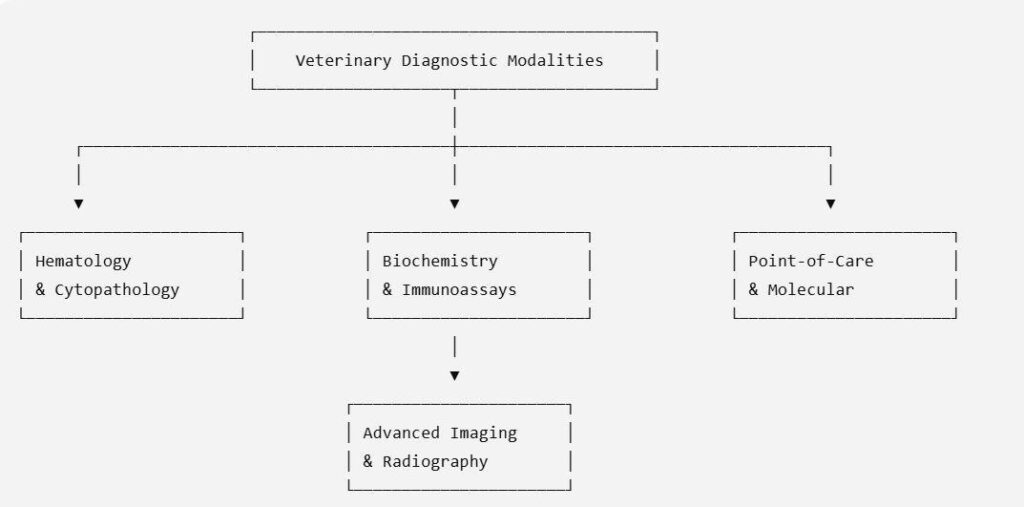
Pet Diagnostics Gaithersburg MD

Pet Diagnostics Gaithersburg MD | Grove Center Veterinary Hospital

Pet Diagnostics Gaithersburg MD: Fast, Accurate Answers for Your Pet’s Health

If your pet is not feeling well, don’t guess! This is why it is critical for Gaithersburg pet owners to have access to reliable pet diagnostics that they can trust. Here at Grove Center Veterinary Hospital, we’ve made sure to have the latest technology and staff that are trained and experienced in providing accurate answers, not guesswork, when your pet or family member needs them most.

If your pet is exhibiting some symptoms or you are in a much more serious situation, it is crucial that you have access to the necessary pet diagnostics Gaithersburg MD has to offer to prevent you from having a much bigger problem down the road. At Grove Center Veterinary Hospital, we are privileged to be the trusted pet diagnostics Gaithersburg MD that pet owners rely upon for clarity, speed and accuracy.

Pets do not speak our language and cannot tell us with words when something is amiss. Gaithersburg MD pet owners know why quality pet diagnostics are so vital to their pets’ care: because they enable vets to see what’s going on beneath the surface. Pet diagnostics Gaithersburg MD can be lacking of accuracy, and this can result in kidney disease, urinary blockages and infections becoming emergencies.

Proper pet diagnostics Gaithersburg MD can help in early detection:

  • Practise preventative measures to avoid severe illness if you do catch a disease.
  • Provide more effective and targeted treatment plans.
  • Lower the long-term treatment expenses
  • Explain how to enhance the outcomes of chronic conditions
  • Provide clarity and peace of mind for pet owners

Grove Center Veterinary Hospital provides a comprehensive range of diagnostics Gaithersburg MD services for your pet that can help provide you with a rapid and accurate diagnosis of your pet’s health.

In-House Blood Work

We have a pet diagnostics lab in Gaithersburg, MD, where we can collect blood samples and get the results usually within the same visit. This aids in a rapid assessment of organ function, identification of infections, as well as screening for underlying conditions.

Urinalysis

A large component of our pet diagnostics services in Gaithersburg MD is the urine test that allows us to identify early signs of urinary tract infection, kidney disease, diabetes and urinary blockage.

Digital Radiography (X-Rays)

Our Gaithersburg MD imaging services for pets also include digital X-rays so we can quickly and clearly see bones, joints, organs and identify problems such as swallowed objects, tumors, or fractures.

Ultrasound Imaging

Our pet diagnostics Gaithersburg MD team also employs ultrasound technology to look for changes in the heart, liver, kidneys and the abdominal organs in greater detail than X-rays alone.

Fecal Testing

Although detection of parasites is a standard treatment component, it is a vital one as it helps us determine whether your pet has parasites that could be impacting their digestive system.

Pre-Surgical Diagnostics

We have a pet diagnostics Gaithersburg MD plan in place before any procedure, which includes bloodwork and screening for your pet to make sure that your pet is a safe candidate for anesthesia and surgery.

Senior Wellness Panels

Preventive pet diagnostics Gaithersburg MD is key as pets get older. The senior wellness panels are designed to detect some of the most common age-related conditions before they happen.

As one of the most trusted Gaithersburg MD pet owners rely on for pet diagnostics, we are often called upon to detect and treat diseases including:

  • Kidney disease
  • Other antibiotics are used in the treatment of urinary tract infections (UTIs).
  • Pancreatitis
  • Urinary blockages
  • Diabetes
  • Thyroid disorders
  • Internal parasites
  • Increased risk of organ dysfunction due to ageing

Pets with symptoms such as excessive drinking, alteration of urine, vomiting, lethargy, or loss of appetite can benefit greatly from the clarity that comes from timely Pet Diagnostics Gaithersburg MD testing that allows for the early initiation of treatment.

All veterinary practices may not have the same level of diagnostic expertise within their premises. As a result of our dedication to speed in diagnosis, accuracy, and communication, Grove Center Veterinary Hospital has earned a great reputation among pet owners in the Washington, D.C. area for the diagnostics that we provide.

Fast, In-House Results

Many of our pet diagnostic tests performed in Gaithersburg MD can be processed on site, so there’s less waiting and quicker treatment decisions for your pet.

Advanced Equipment

Whether it’s digital X-rays or an ultrasound imaging, our pet diagnostics Gaithersburg MD technology enables our veterinarians to identify problems that may not have been discovered otherwise.

Experienced Veterinary Team

Our veterinarians aren’t merely conducting tests; they’re interpreting them with the expertise to craft effective treatment strategies, ensuring that you can count on us to provide the diagnostics Gaithersburg MD care you need.

Clear Communication

We know that medical results can be confusing. Our pet diagnostics Gaithersburg MD veterinarians have the time to provide you with a clear understanding of what is happening with your pet.

Diagnostics are important in the care of a sick pet, but they also serve a valuable function in preventive care. Talk to your veterinarian about scheduling a pet diagnostics MD testing if your pet:

  • Should have a wellness checkup once a year
  • Are you looking for a check-up for a senior pet?
  • Is exhibiting abnormal behaviors
  • Will undergo surgery in the near future
  • Chronic condition which requires monitoring

It’s easy to get started with our pet diagnostics Gaithersburg MD services. From routine bloodwork to imaging and emergency testing when your pet starts to show symptoms, our team is prepared to assist you. We focus on prompt appointments for pets who are ill and answers and treatments can be provided as early as possible.

Please call our pet diagnostic testing teams on our Contact Us page to schedule an appointment or to ask any questions about the diagnostic testing of your pet.

It’s important to have the right answers when it comes to the health of your pet. Dependable pet diagnostics Gaithersburg MD can provide will provide a greater sense of security, better treatment planning and earlier diagnosis. Grove Center Veterinary Hospital is proud to provide all of the services needed for comprehensive in-house diagnostics with qualified veterinarians and advanced equipment. When it comes to trusted pet diagnostics Gaithersburg MD, we’re here to assist you with the answers you need.

Q1. What types of pet diagnostics services are offered by Grove Center Veterinary Hospital in Gaithersburg MD? 

In-house bloodwork, urinalysis, digital X-rays, ultrasound imaging, fecal testing, and pre-surgical screening are all pet diagnostics Gaithersburg MD services provided.

Q2. When can I receive diagnostic test results for my pet?

 Many of our pet diagnostics Gaithersburg MD tests: such as bloodwork and urinalysis are performed in house and are frequently available on the same day.

Q2. When is it necessary to have my pet tested?

Diagnostic testing is recommended for pets that are undergoing annual wellness visits, for senior pets, for unusual symptoms, for pre-surgical screening, and to be used for the ongoing management of chronic conditions.

Q3. Are there any tests for kidney disease and UTI in pets? 

Yes, our pet diagnostics Gaithersburg MD services such as bloodwork, urinalysis, and more can diagnose kidney disease, urinary tract infections, and urinary obstructions.

Q4. Should diagnostic tests be done prior to surgery? Absolutely, pet diagnostics in Gaithersburg MD before surgery can help to ensure that your pet is a safe surgical candidate and is a safe patient for anesthesia.

Q5. How can I make pet diagnostics appointments in Gaithersburg MD? Please call us or submit a request for an appointment on our Contact Us page and ask any questions.

Dog Kidney Disease Treatment

Dog Kidney Disease Treatment: Signs, Diagnosis & Care Options

Dog Kidney Disease Treatment: A Gaithersburg Pet Owner’s Guide

A kidney disease diagnosis can be scary, particularly if your dog looks pretty normal on the outside. One of the most frequently asked questions we get at Grove Center Veterinary Hospital is exactly what dog kidney disease treatment actually entails on a day-to-day basis and does a diagnosis mean it’s the end of a quality of life for a dog? The truth is, if your dog has kidney disease, with the proper treatment plan, many live comfortable months or years. This guide explains the causes of kidney disease in dogs, diagnosis and the complete treatment plan for dogs with kidney disease.

Learning about kidney disease in dogs. 

Kidneys remove waste products from the blood, maintain electrolytes, control blood pressure and contribute to the production of red blood cells. As the kidneys fail, wastes begin to accumulate in the blood, and the entire body begins to suffer.

There are two types of kidney disease that are generally recognized by veterinarians:

  • Acute kidney injury (AKI): A rapid and frequently severe decrease in kidney function, usually due to toxins, infection or blockage.
  • Chronic kidney disease (CKD): A progressive (typically irreversible) loss of kidney function which occurs over months or years, most often in older dogs.

Book an Appointment

Most of the dog kidney disease treatment discussion we have with owners focuses on CKD because that is the more prevalent long term diagnosis, but the principles of supportive care are the same for acute cases.

So, what do you think causes a dog to develop kidney disease?

Kidney disease typically progresses without any clear cause. A few contributing factors are:

  • Age. The function of the kidneys naturally wanes as dogs get older, making CKD much more prevalent in older dogs.
  • Inherited factors & susceptibility from breed. Certain breeds, such as Shih Tzu and Cocker Spaniels are susceptible to inherited kidney diseases.
  • Dental disease. Over time, the teeth in the mouth can lead to chronic infection that can impact kidney health.
  • High blood pressure. High blood pressure is a factor in, and damages, kidney disease.
  • Toxin exposure. Some food products, such as grapes and raisins, some human medications and antifreeze can lead to acute kidney injury.
  • Infections or blockages. If not treated, UTIs, kidney stones or obstruction can cause damage to the kidneys.

When it is possible to determine the underlying cause, such as a treatable infection or blockage, an effective treatment plan can be developed for the dog’s kidney disease and sometimes partial or complete reversals of some of the damage can occur after eliminating the infection or blockage.

Recognizing the Signs

Dogs, being so good at hiding signs of illness, often have very non-specific early signs and symptoms that can be overlooked and attributed to the dog’s “old age.” Symptoms to look out for are:

  • Increased thirst and urination
  • Reduced interest in food or unusual food choices
  • Weight loss
  • Vomiting
  • Sleepiness or lack of interest in activities
  • Smelly breath with a chemical or ammonia smell
  • Pale gums
  • Despite trying to drink more water, the person becomes dehydrated.

If you notice multiple of these symptoms, particularly polyuria and polydipsia, it’s a good idea to take blood tests immediately. Kidney disease treatment has a much better chance of slowing the progression of kidney disease when caught early, before much damage has been done.

The process for the diagnosis and staging of kidney disease.

Diagnosing kidney disease at Grove Center Veterinary Hospital usually entails:

  1. Bloodwork (creatinine and SDMA or symmetric dimethylarginine – a marker which can help identify kidney dysfunction earlier than creatinine can).
  2. Urinalysis, to evaluate the kidneys’ ability to concentrate urine, and to see if protein is lost in the urine.
  3. Urine protein-to-creatinine ratio (UPC): The continued loss of protein in the urine is now known to be a disease driver, rather than just a disease marker.
  4. Blood pressure measurement – hypertension occurs in many dogs with kidney disease and untreated could shorten the process of damage if left untreated.
  5. X-rays or abdominal ultrasound to detect stones, abnormalities or masses.

Dogs are staged after the diagnosis of CKD is made, using the International Renal Interest Society (IRIS) classification, which is based on the severity of the disease, from Stage 1 (early, mild) to Stage 4 (advanced). Staging is not just a formality — it will directly influence the dog kidney disease treatment plan as the goals and level of care will vary greatly between the treatment plan for an early-stage dog and that of one in advanced kidney failure.

The Central Method for Dog Kidney Disease Treatment.

Because there is no single treatment to reverse chronic kidney damage, dog kidney disease treatment involves a combination of therapies to slow the disease’s progression, alleviate symptoms, and help maintain quality of life.

  1. Therapeutic Kidney Diets One of the most important components of dog kidney disease therapy is diet. Prescription renal diets have a limited amount of high-quality protein, but less phosphorus, to reduce the work load on the kidneys and control the accumulation of substances in the blood. Therapeutic renal diets have been proven to increase the longevity and improve health in dogs compared to dogs not placed on a therapeutic diet.
  2. Fluid Therapy Affected dogs may not be able to drink enough fluids due to a decrease in the ability to concentrate urine. Fluid may be administered intravenously during a flare-up or it may be given under the skin (subcutaneous fluids) and helps to remove waste products and maintain hydration and comfort.
  3. Blood Pressure Management Dogs that have hypertension (high blood pressure) as part of their kidney disease treatment receive blood pressure-lowering medications, which help the kidneys and slow kidney disease.
  4. Medicines for lowering protein loss. Common medications prescribed for dogs are benazepril or telmisartan in cases of proteinuria. These not only help to preserve protein in the urine, but can also help to control blood pressure, so doing two jobs in one.
  5. Managing Anemia Erythropoietin is a hormone made in healthy kidneys that helps to make red blood cells. Many dogs become anemic as the kidney function decreases. Treatment includes hormone therapy (darbepoetin) for the red blood cell count if it decreases, and a blood transfusion if it drops rapidly.
  6. Correcting Mineral Imbalances Kidney disease upsets the balance of calcium and phosphorus in the body. Phosphate binders that are taken with food, and in some situations, calcitriol therapy, can restore that balance and maintain the health of the bones and organs.
  7. Treating Nausea and Supporting Appetite Blood may get “clogged up” and lead to nausea and loss of appetite. This phase may involve anti-nausea drugs and/or appetite stimulants to help the dog stay well fed and strong.
  8. Ongoing Monitoring Kidney disease is a chronic condition, which means that dog kidney disease treatment cannot be done once and for all. Your veterinarian will check your dog’s bloodwork, urinalysis and blood pressure regularly, making adjustments as your dog’s needs evolve.

The Recovery and Long-Term Management will look like:

In the case of acute kidney injury, early treatment may result in a significant recovery of kidney function at least in some patients. With chronic kidney disease, the focus is on managing the disease and making your dog comfortable for as long as you can while slowing the progression of the disease.

The first place that often means:

  • Consistently following the renal diet – no table scraps that might be high in protein, sodium or phosphorus.
  • Fresh and easily accessible water always provided, sometimes with pet fountain to promote water intake
  • Taking medicines at the right time
  • Close monitoring of changes in appetite, energy or thirst
  • Following recommended recheck bloodwork, even though your dog appears healthy

With dog owners adhering to a treatment plan, many dogs live for many years with early to moderate kidney disease at a good quality of life. The key to treating dog kidney disease successfully is all about consistency.

Prognosis: What to Realistically Expect:

The prognosis is partly dependent upon the stage of the disease at diagnosis and promptness of treatment. If diagnosed in the early stages (Stage 1 or 2), dogs can benefit greatly from diet and medication and live comfortably for many years. Even if a dog is diagnosed at a later stage (Stage 3 or 4), treatment can still be beneficial, but this may include comfort and quality of life measures. Your veterinarian will be able to tell you where your dog is and determine what is likely to happen, as new blood work is received, and make adjustments to the care plan accordingly.

Who to call Grove Center Veterinary Hospital to Call

If your dog is drinking more than usual, urinating more than usual, not eating as much as usual or not eating at all, schedule bloodwork, don’t wait to see if it gets better. Early detection of kidney disease makes it much easier to manage and early intervention can significantly improve the lifelong perspective of your dog. Your Gaithersburg team is here to help you through the diagnosis, staging and treatment plan tailored to your dog’s unique needs.

Conclusion

The diagnosis of kidney disease is not a sentence, it’s a beginning and an ongoing collaboration between you, your dog and your veterinarians. There is no cure for chronic kidney disease, but with the right dog kidney disease treatment, diet, medication, hydration, and monitoring, the disease can be slowed and a good quality of life can be maintained for a significant amount of time. Dogs that do best are those that their owners recognize the signs early and follow a plan that their veterinarian recommends. Contact Grove Center Veterinary Hospital if you’ve seen any changes in your dog’s thirst, appetite or energy level, so we can help you get ahead of it.

Frequently Asked Questions

  1. What is the first step in dog kidney disease treatment? 

Diagnostic blood work and urinalysis is generally the first step to confirming diagnosis and also classification of disease. Your veterinarian then constructs a treatment plan specific to this stage that is likely to begin with a therapeutic renal diet.

  1. However, can dog kidney disease be treated? 

Kidney disease is a chronic condition with permanent damage to the kidney but can be treated successfully for many years. Acute kidney injury, on the other hand, may be able to make a dramatic recovery with timely and vigorous treatment.

  1. What should dog eat to heal kidney disease? 

Prescription renal diets containing good quality protein and low in phosphorus are typically the accepted standard of care. These diets are designed to specifically lighten the work for the kidneys and are an essential part of the treatment for kidney disease in dogs.

  1. How do I know what stage my dog’s kidney disease is? 

The IRIS staging system is used to stage using bloodwork (creatinine and SDMA), urine testing, and blood pressure measurement. Your veterinarian will convey your dog’s particular phase and what that implies for treatment.

  1. Do you have to use fluid therapy subcutaneously at home? 

Yes, fluid therapy is taught at home for dogs in later stages of kidney disease. It’s simply a component of regular management, which will help with hydration and comfort between vet visits.

  1. If my dog is diagnosed with kidney disease, how often does he or she need blood tests? 

This will depend on the stage and your dog’s treatment response, but many dogs require rechecks every few months as kidney disease is a progressive disease and the treatment plan may need to be tweaked over time.

  1. What are the symptoms if the dog kidney disease treatment is not effective? 

If weight loss continues or the appetite gets worse, if more vomiting occurs or if there is a significant increase in bloodwork values despite treatment, this means that the plan must be adjusted. Contact your veterinarian if you notice these changes.

  1. Do dogs with high blood pressure have a higher chance of getting kidney disease?

 Absolutely, high blood pressure can cause damage to a dog’s kidneys and can also cause the kidneys to be harmed to the point of worsening blood pressure. That’s why monitoring and even treating hypertension as part of a dog kidney disease treatment regimen is often recommended.

  1. Will my dog have to take medication for his or her lifetime? 

Yes, in most cases of chronic kidney disease. However, the condition is progressive and is almost always irreversible, so a diet and medication regimen are often a chronic aspect of treatment.

  1. What is the life expectancy of a dog with kidney disease? 

Relies heavily on the stage at diagnosis and adherence to treatment. Early diagnosed and well managed dogs have a long and useful life, and late diagnosed dogs may also have a long and meaningful life if well managed.

Dog Urinary Tract Infection Treatment

Dog Urinary Tract Infection Treatment: Signs, Diagnosis & Recovery

Dog Urinary Tract Infection Treatment: A Gaithersburg Pet Owner’s Guide

A UTI is likely to be a cause if your dog suddenly needs to go outside every hour, strains to pee or has accidents inside the house. UTIs are among the most frequently encountered conditions at Grove Center Veterinary Hospital, and fortunately, the treatment of a dog urinary tract infection is typically simple and highly effective if caught early. From initial vet visit to complete recovery, this guide explains why UTIs occur in dogs, how they’re diagnosed, and what treatment entails.

What is a UTI in Dogs?

UTI’s occur when bacteria normally present on the skin, hair or in the rectum migrate up the urethra and into the bladder. If left untreated, that infection may work its way up and affect the kidneys, a more serious infection known as pyelonephritis. A significant proportion of dogs will experience UTIs at some time in their life, particularly older and female dogs.

Most UTIs are in one of two categories and this is important when it comes to dog urinary tract infection treatment:

  • Sporadic (uncomplicated) UTIs: Only one UTI in a healthy dog.
  • Recurrent or complicated UTIs: UTIs that return or those that happen when there is another underlying medical condition such as bladder stones, diabetes, kidney disease.
  • Book an Appointment

So, what is it that causes UTIs in dogs?

Dogs are particularly vulnerable to most infections; here are some of the reasons, and an understanding of them can pave the way for the appropriate dog urinary tract infection treatment plan from the beginning:

  • Anatomy. The female dog’s urethra is a shorter structure, allowing bacteria to travel upwards easily. A recessed vulva is a particular risk factor in dogs for recurrent infections.
  • Age. UTIs are more commonly seen in senior dogs, either because of a weakened immune system, or another medical condition.
  • Underlying conditions. UTIs can be caused by diabetes, Cushing’s disease and chronic kidney disease.
  • Bladder stones. The stones may irritate the bladder lining and they can trap bacteria, making it more difficult to completely expel them from the bladder.
  • Incomplete bladder emptying. Long periods of urination without the dog getting the chance to go to the bathroom, or neurological problems that disrupt bladder control are risk factors.

It is crucial to determine if this is one of the causes when working on a dog treatment plan for an UTI, particularly for dogs that are experiencing recurrent UTI infections.

Recognizing the Signs

Dogs generally have symptoms that are easily seen, but can be misdiagnosed as a simple accident or “old age.” Watch for:

  • Urinary frequency (frequent urination) or straining to urinate (with minimal output)
  • House soiling problems by a dog that was house trained before the accident occurred
  • Urine that contains blood or is cloudy (urinary hematuria)
  • Urine that has a strong or unusual odor
  • Increased licking of genital area
  • Incontinence or urinating frequently.
  • Having trouble urinating or crying when urinating.
  • Increased thirst

If you see these symptoms, particularly if you are straining and have many small urines, you should consider going to see the doctor soon. Early treatment for a dog’s urinary tract infection helps to alleviate the discomfort quickly, which also helps minimize the risk of the infection reaching the kidneys.

How UTIs Are Diagnosed

Grove Center Veterinary Hospital will typically use the following steps to diagnose a UTI:

  1. Urine tests, to look for crystals, blood, bacteria, and white blood cells in the urine.
  2. Urine culture (if possible) by sterile needle drawn direct from the bladder to determine the actual bacteria present and what antibiotics will be effective.
  3. Blood tests to identify diabetes or kidney disease if it is known that the dog has a problem.
  4. In dogs that have multiple urinary tract infections, imaging (x-rays or ultrasound) to look for stones or abnormalities in the bladder.

While sometimes it’s not necessary for a first-time simple infection, for dogs that have recurring or chronic infections, culture is a crucial part of dog urinary tract infection treatment, because without knowing what type of antibiotic to use, one could leave behind resistant bacteria.

Book an Appointment

The spine of Dog Urinary Tract Infection Treatment is the following:

  1. Antibiotics Dog UTI treatment is the mainstay of antibiotic therapy. Modern veterinary practice encourages short courses, typically 3-5 days, and is mostly antibiotic based with amoxicillin or trimethoprim/sulphadiazine as the first choice. Within a day or two of starting the right medication, most dogs will notice a definite improvement, but it’s important to complete the entire recommended course of treatment, even after symptoms go away, to ensure the infection is completely cleared and to minimize the chance for resistance to develop.


  1. Pain Relief Sometimes antispasmodic or pain relief may be prescribed for a short period of time to help alleviate any bladder discomfort or urgency while the antibiotics are working and to prevent the bladder from becoming overly irritated by the UTI. This is not always indicated, but it can be useful to make your dog feel at ease during the first days of treatment.


  1. Addressing Underlying Causes If the blood tests or imaging tests show an underlying disease of the body, such as bladder stones, diabetes or a kidney disease, an underlying disease must be treated together with the infection. This is one of the most frequent causes of the treatment of UTI in dogs to either fail or become recurrent.


  1. Encouraging Hydration Increasing water intake helps to wash bacteria out of the bladder and thin the urine, reducing irritation. It’s a simple but helpful way of supportive care during treatment that includes encouraging people to drink water, sometimes by using a pet fountain and/or by adding water to food.


  1. Dietary Support A prescription urinary diet might be suggested for dogs whose bladder stones are helping to cause the urinary infections, to help dissolve some types of stones or to prevent their formation. Diet should not be used as an antibiotic, but rather as an important supporting treatment with more complicated cases.


  1. Follow-Up Testing A recheck urinalysis or culture taken around 1-2 weeks after completed antibiotic treatment confirms that the infection has actually resolved. This stage is easy to overlook when your dog is feeling better again, but it’s an essential component of a dog urinary tract infection treatment, particularly if your dog has a history of UTIs.

Managing Recurrent UTIs

If your dog is getting UTIs over and over again, it’s a different problem than a single UTI. Vets usually do the following for dogs that have had three or more infections within a year:

  • Re-culture the urine to check the bacteria and exclude resistance.
  • Examine to check for anatomical problems, bladder stones or hormonal problems
  • Take into account a more extended antibiotic treatment that is based on culture results.
  • Review hygiene, fluid and toilet routines at home
  • Discuss preventative measures: if the underlying factors are not corrected then the next flare up may be postponed but not prevented!

In most cases, a more comprehensive workup of your dog will be the most beneficial long term therapy for UTIs, though it requires more time initially.

What Recovery Looks Like

Dogs with uncomplicated, simple UTIs definitely feel much better within 24 to 48 hours of beginning the proper antibiotic, but the antibiotic will take its full course for the UTI to get better. Depending on the severity of the infection, including kidney infection and/or stones, a longer recovery period may be necessary and several of the above dog urinary tract infection treatments may be required. Monitor your dog’s urine, energy level, appetite, and, during dog urinary tract infection treatment, your veterinarian should be contacted if there is no improvement in symptoms within a couple of days of beginning antibiotic treatment.

When to Seek Emergency Care

If your dog is straining to urinate and very little urine is coming out, this can be a true emergency as it may be a urinary blockage, particularly in males. Do not wait and see if it will go away. Likewise, if your dog gets fever, starts vomiting or becomes more lethargic during the treatment, it means that the infection is probably spreading to the kidneys and requires immediate treatment.

If you’re unsure about when to contact Grove Center Veterinary Hospital, please reach out to us for advice.

If your dog is exhibiting any of the following symptoms, UTI does not mean it will go away on its own, so please don’t wait it out if your dog is urinating frequently, has urinary accidents in the house, or is leaking blood in the urine. Fast treatment of your dog’s Urinary tract infection means that your dog is comfortable and a minor bladder infection will not progress to a more serious condition like a kidney infection. Our Gaithersburg team of professionals is at your disposal to accurately and quickly diagnose the problem and return your dog to normal.

Conclusion

UTIs are not pleasant, but are also one of the more treatable conditions we see – particularly if managed at an early stage. Treatment of a UTI in dogs typically involves the correct antibiotic with the correct length of treatment, sometimes with a urine culture to help determine the proper antibiotic, as well as supportive care such as fluid therapy and pain management, if necessary. If a dog has had the infection more than once, it is important to get to the root of the problem to truly address the issue rather than just managing the symptoms. If your dog is making any indication that she is uncomfortable when she has to go, please contact Grove Center Veterinary Hospital and we’ll help her get comfortable again as soon as possible.

Frequently Asked Questions

  1. Which is the first step in the treatment of the dog UTI? 

A urinalysis is typically the first test performed and sometimes a urine culture may be included to confirm the infection and to identify what bacteria are causing it. This will enable your veterinarian to pick the best antibiotic right away.

  1. How many days does it take to treat dog urinary tract infection? 

The treatment for uncomplicated infections is usually a course of antibiotics lasting 3 to 5 days and most dogs can be seen making a tremendous improvement in 1 – 2 days. If the infection is more complicated or repeated, it may take longer to treat.

  1. Can a dog UTI go away without antibiotics? 

No, prescription antibiotics are necessary to completely eradicate a true bacterial UTI. Dogs will feel better if you provide supportive treatment such as an increased amount of water, but this does not cure the infection.

  1. What are most of the antibiotics prescribed for UTIs in dogs? 

Simple infections are often treated with amoxicillin and trimethoprim-sulfonamide. If possible, your veterinarian will choose the antibiotic that is best suited to the urine culture findings.

  1. What is causing my dog to keep getting UTI’s?

If a UTI is recurrent, there will be an underlying cause, such as bladder stones, diabetes, anatomic differences or a UTI that was not adequately treated. If the cause is identified through a proper work up then it can be treated directly.

  1. Do we routinely order a urine culture? 

Not always. Sometimes it is not necessary to use a test to guide treatment for a dog’s first simple infection. A culture is useful when treatment has failed or is likely to fail in the case of recurrent or complicated infections, and to prevent the development of antibiotic resistance.

  1. Can diet help prevent UTIs in dogs? 

A prescription urinary diet can be beneficial for dogs with bladder stones that is causing urinary infections. Encouraging good hydration, however, is more important than particular food for most dogs.

  1. What are the consequences of a dog UTI if it is not treated? 

If a UTI is left untreated, it can lead to a kidney infection, or in male dogs, to a life threatening urinary blockage. This risk is greatly reduced with timely treatment.

  1. If my dog appears to be getting better and I have been prescribed a complete course of antibiotics, should I complete it?

 Yes, absolutely. While symptoms may rapidly improve, early stopping of antibiotics may leave some survivors of the infection and help lead to a new or resistant infection.

  1. What is the best time to go to the emergency vet when my dog has a UTI? 

If your dog is straining to pass urine and is making very little, is extremely painful, or has a fever, vomiting, or acting lethargic, please contact the clinic immediately – not during your normal appointment.

Veterinary Diagnostics: Advanced Technologies,

Veterinary Diagnostics: Advanced Technologies, Point-of-Care Testing, and Diagnostic Workflows

Veterinary diagnostics is the link between clinical observation and definitive medical action. In contrast to human health care, where initial disease detection depends upon the patient’s own assessment, veterinary medicine depends upon objective and quantifiable data for disease detection, physiological stress monitoring, and treatment efficacy assessment in different species.

Veterinary diagnostics is changing at a remarkable pace, ranging from fast, point-of-care (POC) handheld systems in mobile large animal units to high-throughput systems in the reference laboratory, which are powered by artificial intelligence and molecular technology. This chapter discusses the fundamental diagnostic modalities, the type of testing, handling of specimens, and some of the newer technologies which are influencing veterinary medicine today.

Appointment Now

 Core Pillars of In-Clinic Laboratory Diagnostics

Laboratory testing is the basic level of health screening, pre-anesthetic risk assessment, emergency triaging, and chronic disease management. The four main analytical fields used in an in-clinic diagnostic suite are haematology, clinical chemistry, urinalysis and parasitology.

 Hematology and Hemostasis

Hematology tests are used to check the blood’s cellular components red blood cells (RBCs), white blood cells (WBCs), and platelets (PLTs). Complete blood counts (CBCs) are completed in minutes by automated analyzers (impedance or laser flow cytometry):

 Red Blood Cell Indices: Hematocrit (HCT), Packed Cell Volume (PCV), Mean Corpuscular Volume (MCV), and Mean Corpuscular Hemoglobin Concentration (MCHC) differentiate between microcytic, macrocytic, regenerative and non-regenerative anemias.

 Leukogram evaluation: White Blood Cell Differential – characterises neutrophils, lymphocytes, monocytes, eosinophils and basophils to identify acute systemic inflammation (e.g., left shift with band neutrophils) and stress leukograms or chronic immune reactions.

 Primary and secondary hemostatic disorders such as disseminated intravascular coagulation (DIC) or rodenticide toxicity can be detected by a combination of quantitative platelet estimates and prothrombin time (PT) and activated partial thromboplastin time (aPTT) assays.

 Electrolyte disorders and clinical chemistry.

Biochemistry analyzers determine enzyme activities, metabolic end-products and electrolyte balance in serum or plasma:

Renal Profile: Blood urea nitrogen (BUN), serum creatinine, and symmetrical dimethylarginine (SDMA), a sensitive biomarker that detects early decreases in glomerular filtration rate (GFR) that may precede a decrease in serum creatinine.

 Alanine aminotransferase (ALT) and aspartate aminotransferase (AST) are useful for the quantification of hepatocellular damage, while alkaline phosphatase (ALP) and gamma-glutamyl transferase (GGT) are useful for the quantification of cholestasis/biliary disruption.

 Electrolytes and Acid-Base Status: Sodium, potassium, chloride, and ionized calcium assess the hydration status, renal tubular function, and metabolic acidosis/alkalosis, respectively, in the critically ill patient.

Advanced Diagnostic Modalities: From Immunoassays to Molecular Diagnostics:

If abnormalities are detected in the baseline screening, then targeted diagnostic testing can locate specific etiologies, pathogens, or cellular mutations.

 Immunodiagnostics and Enzyme-Linked Assays

Immunodiagnostics: antigen or antibody detection by means of enzyme-linked immunosorbent assays (ELISA), lateral-flow assays and indirect immunofluorescence assays (IFA):

 Point of Care Infectious Disease Screening: Rapid lateral-flow tests are used for blood or saliva to detect feline leukemia virus (FeLV), feline immunodeficiency virus (FIV), canine parvovirus (CPV) and vector-borne pathogens (such as Borrelia burgdorferi, Anaplasma, Ehrlichia, Dirofilaria immitis).

 Endocrinology Panels: Quantitative immunoassays are used to diagnose metabolic diseases, such as hypothyroidism and Cushing’s disease, and include measurements of total cortisol (for ACTH stimulation and dexamethasone suppression testing) and canine thyroid-stimulating hormone (cTSH).

 Molecular Diagnostics: PCR and Next-Generation Sequencing

Molecular testing can amplify sequences in the genome to a level of high specificity and sensitivity (high sensitivity), even at low loads of virus or bacteria:

 Polymerase Chain Reaction (PCR): Real-time quantitative PCR (qPCR) panels can be used to detect pathogens, including those that are difficult to culture, such as Leptospira, Mycoplasma hemofelis, canine respiratory complex pathogens and equine herpesvirus (EHV-1).

 Next-generation sequencing (NGS) can be used for comprehensive microbiome analysis, mutation detection of specific target genes (e.g. MDR1 gene mutation and drug clearance), and oncology profiling for targeted cancer treatment that matches tumour genotype.

 2. Physical and Chemical Properties of Materials

Diagnostic imaging is a technique used to get a non-invasive picture of internal anatomic structures, spatial relationships and dynamic organ functions.

Diagnostic Modality Primary Applications Strengths Limitations
CT Obstructive lung disease, trauma, and tumor detection and localization Very rapid imaging, good for lung disease and tumor detection and localization High radiation doses, poor for contrast resolution
Digital Radiography (DR) Radiographic features of thoracic screening, bone fracture classification, gastrointestinal foreign bodies, dental pathology Instantaneous image acquisition, lower radiation dose than film, DICOM export 2D projection overlaid; poor soft-tissue contrast resolution
Ultrasonography (US) Abdominal organ architecture, echocardiography, guided fine-needle aspirates (FNA) No ionizing radiation, high soft-tissue detail Operator dependent; blocked by bone and luminal air
Computed Tomography (CT) Complex orthopedic planning, nasal cavity evaluation, pulmonary metastasizing screens High-resolution 3D cross-sectional imaging, superior bone-tissue detail Requires general anesthesia or deep sedation, higher equipment cost

Tissue contrast (brain, spinal cord, soft-tissue joint structures, such as tendons and ligaments) is unmatched, and the signals transmitted are non-ionizing, magnetic RF, which is why MRI is used. Scan time is longer, and there are strict safety precautions to ensure the safety of the magnetic fields.

4. Diagnostic Sample Collection and Pre-Analytical Variable Management

The only thing that can be relied on as a diagnostic result is the quality of the sample that is submitted for testing. In veterinary laboratories, there are more than 60% of diagnostic discrepancies attributed to pre-analytical factors.

Appointment Now

Factors That Interfere with Laboratory Test Results

1. Hemolysis: due to too much suction on the syringe, too small a needle gauge , or pushing the blood through the needle into a tube. Biochemistry panels falsely raise potassium, phosphorus and AST because of hemolysis.

Lipemia: High levels of circulating triglycerides after a meal interfere with the spectrophotometric analysis and give a falsely elevated hemoglobin, bilirubin, protein level. This risk may be reduced by fasting the patients for 8–12 hours before elective blood collection.

3. Icterus: increases in bilirubin lead to yellow (to dark amber) staining of the serum, which results in changes in optical density for automated enzymatic assays.

 6. Connecting Artificial Intelligence and Point-of-Care (POC) systems.

Artificial intelligence (AI), machine learning, and cloud-based diagnostics are helping to speed up clinical workflows in veterinary practices.

 In-Clinic Digital Cytology

POC DC devices enable physicians to transfer high-resolution images of FNAs, blood smears and ear cytology to cloud networks. AI algorithms pre-screen slides for neoplastic markers, inflammation and microorganisms and return annotated pathology summaries or allow quick consultation with board-certified veterinary pathologists.

 AI-Driven Radiographic Interpretation

By leveraging millions of annotated DICOM images, machine learning models support clinicians in quickly identifying subtle abnormalities in the radiograph, such as early detection of pulmonary nodules, micro-fractures, heart enlargement, or abdominal fluid accumulation, thus decreasing diagnostic uncertainty in the emergency setting.

 6. New species group diagnostic frameworks.

Modern veterinary diagnostics adjust to the patient, considers the patient’s signalment, usage and physiological differences between species groups.

 Companion Animal Diagnostics (Dogs, Cats, Exotic Pets)

 Preventive Screening Panels: These tests are included as part of a senior wellness program and are used to manage subclinical organ dysfunction proactively, including routine CBC, biochemistry and urine protein-to-creatinine (UPC) ratios and SDMA.

 Microfluidic Point-of-Care Testing: Microfluidic cartridges can be used to reliably and safely perform routine diagnostic testing on small sample volumes, allowing diagnostic testing on birds, reptiles and small mammals such as ferrets and guinea pigs.

 High-level Testing: of large animals and livestock. High-level surveillance of large animals and livestock. Allows disease monitoring and detection for continuous control of disease outbreaks such as BVD, Mastitis, and PRRS disease using automated bulk-tank milk PCR testing, pen-side lateral-flow immunoassay kits, and rapid oral-fluid pathogen panels.

 On-Farm Diagnostic Infrastructure: Portable blood-gas analyzers and field-ready ultrasonography units enable ambulatory vets to do live metabolic and reproductive diagnostic testing at the farm.

 Conclusion

The impact of veterinary diagnostics has changed the way care is provided in companion animal veterinary practices and commercial livestock management. With a comprehensive suite of laboratory tests, cutting-edge imaging, specific molecular diagnostics and AI-assisted point-of-care tests, vets can make accurate diagnoses in record time. Strict quality control during pre-analytical sample collection, keeping abreast of the latest advances in biomarker technology, and choosing the right diagnostic approach for each individual species is still at the heart of clinical excellence.

FAQ ( Frequently Asked Questions )

Q1. In veterinary medicine, what is the difference between complete blood count (CBC) and blood chemistry panels?

A Complete Blood Count (CBC) is a test of the cells in the blood such as red blood cells, white blood cells, and platelets, which can be used to detect conditions such as anemia, infection, inflammation and clotting disorders. The blood chemistry panel evaluates the blood chemistry, specifically the level of dissolved enzymes, electrolytes, proteins and metabolic waste products in the liquid part of the blood (plasma or serum) to check the function of the organs, including the liver and kidneys.

Q2. What is the benefit of SDMA testing to detect kidney disease early in cats and dogs?

Symmetrical dimethylarginine (SDMA) is a blood marker that can only be excreted by the kidneys, almost exclusively. It is able to identify renal impairment when the kidney function is only 25–40% reduced. By contrast, traditional blood markers, such as serum creatinine, usually aren’t raised until about 75% of the functional nephrons are injured.

Q3. What is the importance of pre-analytical sample handling in veterinary diagnostics?

Pre-analytical variables like the use of the wrong anticoagulant collection vessel, inadequate storage temperatures for the blood sample, and hemolysis of the sample during venipuncture can change the composition of a blood sample. These errors result in incorrect lab readings and can cause misdiagnosis or treatment plans or require repeated testing.

Q4. What is the meaning of point-of-care (POC) diagnostic tests and how would they be used in clinic?

Point-of-care (POC) diagnostic tests are diagnostic devices and rapid test kits used directly on-site for the patient (e.g., exam room, surgical suite, farm site). They perform rapid testing for parvovirus, heartworm disease, feline leukemia, glucose imbalances, and blood gas abnormalities, among other tests, without having to wait the time for off-site testing.

Q5. What role does artificial intelligence (AI) play in today’s veterinary imaging?

In veterinary imaging, AI algorithms can analyze digital X-rays, CT scans, and digital cytology slides to provide automated analysis and insights. They point out abnormalities, help with pattern recognition of diseases such as pulmonary nodules or fractures, and expedite diagnostic processes, improving turnaround times and diagnostic accuracy.

Veterinary Services : infographic

Veterinary Services: Science, Care & Innovation

Veterinary services play a fundamental role in the world of animal health, public safety, agricultural security, and the human-animal bond. Today’s veterinary medicine is more than a matter of routine check-ups and basic health care; it’s a vast landscape of preventive clinical treatment, sophisticated diagnostic testing, leading-edge surgical specialties and far-reaching public health programs. From protecting pets in the home to implementing biosecurity measures in agriculture to conserving endangered species, veterinary services are critical in today’s society.

1. Defining Veterinary Services

Veterinary services include any medical, surgical, diagnostic or preventative care that a trained medical professional provides for animals. These care teams can include licensed doctors of veterinary medicine (DVMs or VMDs), credentialed veterinary technicians, veterinary assistants and practice managers who provide quality veterinary medical care to patients.

The concept of “One Health” and Core Objectives.

The main purpose of veterinary medicine is to prevent, detect, and treat injuries, diseases and systemic disorders in all animals. In addition to clinical treatment, veterinary medicine is also strongly related to human health, particularly through the One Health approach, which is a collaborative approach that transcends the boundaries of veterinary and human medicine, and takes into account the health of the environment.

of the environment.

Veterinarians are first-line protectors when it comes to zoonoses—diseases that jump from animals to humans like rabies, Lyme, avian influenza, brucellosis and leptospirosis. Disease surveillance in domestic animals, livestock and wildlife is a way to prevent the spread of disease in human communities before it can reach epidemic levels.

  1. The two main categories of veterinary services.

There are several areas of veterinary practice that are specialized for specific types of animals in different settings and for different physiological needs.

 Care of a companion animal

Companion animal medicine concentrates primarily on the domestic pets of the home, such as dogs and cats, rabbits, ferrets and small rodents. As pets become a part of the family, companion animal clinics make up the largest portion of private practice in the world.

 Preventative Wellness Programs: Annual or biannual physical exams, tailored vaccination plans, weight checks, and age-specific blood tests.

 Heartworm, Flea, Tick, Intestinal Parasite, and Mite Control: Sustaining the protection from heartworm, flea, tick, intestinal parasites and mites.

 Routine elective surgeries: Spaying and neutering, soft-tissue surgery, benign mass removals.

 Full dental services: Professional ultrasonic cleaning and polishing, 2D dental imaging and treatment for periodontal disease.

 Medical and Research aspects of Food Animal and Livestock Medicine.

Large animal and production veterinarians specialize in the treatment and care of agricultural animals, such as cattle, swine, sheep and goats, and poultry. This branch ensures the well-being of individual animals while also taking into account the herd’s dynamics to guarantee a secure and sustainable food supply.

 Herd and Flock Health Management: Development of herd-wide vaccination protocols, optimized feeding plans and strict biosecurity guidelines.

 Reproduction and Genetics: Artificial insemination, embryo transfer, pregnancy diagnosis by ultrasound and dealing with difficult births (dystocia).

 Supply Chain and Food Safety: Supervised antibiotic usage, milk quality and slaughter facility compliance to ensure consumer safety.

Equine Services

Equine medicine is tailored to horses, ponies, donkeys and mules. Their care is a mix between companion care and livestock care, as they are used for a variety of purposes, including athletics, as work animals and as pets.

 Lameness and Sports Medicine: Advanced motion analysis, joint injections, diagnostic nerve blocking and special shoeing plans.

 Equine Dentistry: Floating teeth, sharp enamel points and treatment of complicated dental or sinus infections.

 Colic & Gastrointestinal Management: Emergency abdominal surgery for intestinal blockages, medical stabilization and rapid diagnostic assessment.

 Exotic, Zoo and Wildlife Medicine

The care of non-traditional pets (reptiles, birds, amphibians and exotic mammals), captive zoo animals and free-ranging wildlife will differ because of their unique anatomy, metabolism and environment.

 Avian and Exotic Pet Medicine: Specialized blood panels for diagnosis, environmental/habitat evaluations and beak or wing trims.

Conservation and Field Biology: To assist reintroduction initiatives, monitor diseases in wild animals and to maintain genetic diversity.

  1. Specialized Clinical Disciplines

As veterinary medicine has progressed, so have clinical practices become specialised, like in human medicine.

 Advanced Diagnostics and Pathology

Effective treatment is based on a good clinical assessment. In modern veterinary hospitals, there is advanced diagnostic equipment:

 In-House Laboratory Facilities: Automated blood chemistry, hematology analyzers, urinalysis, and point-of-care infectious disease tests.

 Diagnostic imaging: digital radiography, high-resolution ultrasound, computed tomography (CT) and magnetic resonance imaging (MRI).

 Pathology and Cytology: Fine-needle aspirate analysis, biopsy and histopathology for the diagnosis of tumors, infections and autoimmune diseases.

 Specialty Surgery and Oncology

Specialists with board certification treat high-complication cases referred by general practitioners:

 Orthopedic Surgery: Total joint replacement, fracture fixation, ligament repair (TPLO or TTA surgery for canine CCL tears).

 Soft-Tissue and Reconstructive Surgery: Thoracic surgery, oncologic tumor resections, skin grafts, and vascular abnormality repairs.

 Veterinary Oncology: Diagnosing cancer at an early stage, treating cancer with focused chemotherapy, managing radiation therapy and arranging palliative hospice care.

 Emergency and Critical Care (ECC):Emergency veterinary clinics are open 24 hours a day, 7 days a week, to provide constant services for acute injuries and sudden severe diseases: Triage and Stabilization of Motor Vehicle Accidents, Severe Fall, and Bite Wounds.

 Acute Illness Management: Management of Gastric Dilatation-Volvulus (bloat), toxic substance ingestions, severe foreign body blockages and feline urethral obstructions.

 Intensive Care Unit (ICU): Monitoring of blood gases, automatic intravenous fluid delivery, mechanical ventilation and oxygen therapy.

  1. The Value of a Wellness Exam. 6. The Advantages of Proactive Health Care.

Regular, preventive veterinary visits are always more effective – and a lot cheaper – than treating late-stage disease and illnesses.

Care Support Intervention Support Primary Long-term Benefits
Preventative Vaccinations, parasite control, wellness exams Prevents zoonotic risks to owners and fatal infectious diseases.
Dental Care Annual scalings, polishings, home brushing programmes Prevents serious periodontal disease and minimises secondary damage to organs such as the heart and kidneys.
Nutritional Calorie planning, body condition scoring, therapeutic diets Helps reduce the risk of obesity, diabetes, and overloading of joints.
Geriatric Bi-annual screening, mobility assessments, pain management Increases lifespan, detects early signs of organ failure, and improves the quality of life for older pets.
  1. Innovations, which change the face of veterinary medicine.

Advancements in technology continue to raise the bar on the standards of animal care and increase the access, speed and accuracy of care throughout the field.

 The use of Telehealth and Remote Monitoring.

Virtual veterinary consultations can be used for initial triaging, review of routine recovery progress, behaviour assessments and answering basic questions regarding care without the stress of unnecessary travel.

 Wearable Health Technologies

Sensors embedded in collars, harnesses or halters track heart rate, breathing patterns, activity levels, sleep balance and body temperature on a continuous basis. This information not only notifies vets that something may be wrong with the animal, but also tells them before the physical symptoms are apparent that it is experiencing pain, stress, or illness.

Regenerative and Precision Medicine.

Currently, stem cell therapy, platelet-rich plasma (PRP) therapy, and cold laser therapy are increasingly applied to the treatment of chronic osteoarthritis, tendon injuries and non-healing wounds in horses and companion animals, helping them to recover faster with minimal dependence on heavy chemicals.

  1. How to select the best veterinary services provider

When looking for a vet clinic for your animal, the most vital thing to consider is the medical needs that you are looking for, and then finding a clinic that will meet them.

Facility Standards and Accreditation: Be sure the facility is accredited by a recognized regulatory body or a voluntary accreditation organization like the American Animal Hospital Association (AAHA). These standards are applied to sanitary procedures, diagnostic equipment and rules of surgical safety.

Communication and Staff Culture: Select a veterinary team that is good at communicating information about treatments, respects owners’ choices, openly discusses cost estimates, and is sensitive to animals’ emotions.

Emergency Care Pathways: Inquire if the facility has overnight hours, or has direct referrals with local emergency care centers that are open 24 hours a day.

  1. Financial Consideration of Veterinary Services

Financial responsibilities of animal medical care management are crucial to providing regular and continuous medical treatment throughout the animal’s life.

 Pet Health Insurance: Protects against unforeseen accidents, sudden illnesses and significant surgery, and avoids a financial burden in case of a medical emergency.

 Preventative Wellness Plans: Many clinics have an annual wellness plan that covers routine check-ups, vaccinations and dental cleaning that are spread out over time into easier monthly payments.

 Veterinary Emergency Funds: It is important to keep a separate personal savings account for emergency veterinary situations to make sure that financial limitations do not affect decisions that need to be made immediately.

 Conclusion

Veterinary services play a crucial role in safeguarding animal health, promoting human welfare, and maintaining the bond between humans and animals. Whether it’s routine preventative care, diagnostic testing or complex emergency care and special treatments, veterinary services are provided for the entire animal’s life cycle. Partnering with a trusted veterinarian team is the greatest investment that an animal owner could make for the long-term health, vitality and well-being of their animal.

Frequently Asked Questions (FAQ)

 Q1. What’s covered in a regular vet checkup?

The routine checkup involves a thorough physical examination of eyes, ears, skin, mouth, heart, lungs, abdomen and joint mobility. It also includes necessary vaccines, parasite testing (including fecal and heartworm exams), body condition score, and dietary or behavioral advice.

 Q2. How much should my animal be examined by a veterinarian?

Pets and production animals should have a professional health check-up at least once a year. Puppies, kittens, older pets and pets with chronic medical conditions usually need more routine care, usually every 3–6 months, to keep a close eye on their condition and fine-tune their treatment.

 Q3. If my pet has an emergency, what should I do?

In case of an emergency, remain calm and immediately call the closest open veterinary services or emergency animal hospital. Make a call to the clinic before arriving to ensure the necessary equipment is ready when you arrive and follow any special instructions for handling and transporting an injured or distressed animal.