Grove Center

  • Home
  • About Us
    • Our Philosophy
    • Hospital Policy
    • Working Hours
    • Our Team
  • Services
  • Emergencies
  • Contacts
    • New Client
    • Pet History
  • Blog
  • Home
  • About Us
    • Our Philosophy
    • Hospital Policy
    • Working Hours
    • Our Team
  • Services
  • Emergencies
  • Contacts
    • New Client
    • Pet History
  • Blog

Grove Center

Grove Center

  • Home
  • About Us
    • Our Philosophy
    • Hospital Policy
    • Working Hours
    • Our Team
  • Services
  • Emergencies
  • Contacts
    • New Client
    • Pet History
  • Blog
dogs Tag
Home dogs Page 11

Tag: dogs

7440377
July 24, 2024
grovecenter grovecenterAllDogs

Capturing Desirable Behaviors

You can improve your dog’s behavior in just a few minutes daily. By focusing on the desirable behaviors your dog does naturally rather than correcting the undesirable ones, you are building a stronger relationship without force or stress. Set your dog up for success by marking for easy behaviors, not unknown complicated ones.

Choose one or two behaviors each week that you want your dog to do consistently. For busy dogs, reinforce for lying quietly on their bed. To reduce barking, reward for silence as your dog watches someone walk by your house. To stop begging at the dinner table, treat your dog for choosing to lie on a mat several feet away.
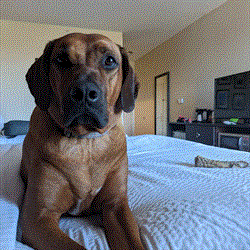
Following this simple game captures the “good” behavior while ignoring the “bad”.  By not prompting your dog to do a specific behavior, such as sit or down, you create a thinking dog, and as the days go by, they will start to offer only reinforced behaviors.
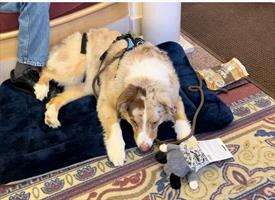
  1. Count out the same number of dry kibble from your dog’s daily food intake. This could be 10 or 20 pieces for a small dog or 50 or more pieces for a large breed. You can withhold half from their breakfast portion and the other half from dinner or start out with the full amount to use throughout the day. High-value, low-calorie treats may be used in place of some kibble.
  2. Either carry the food in your pocket or have it easily accessible in central locations. 
  3. Throughout the day, when your dog offers the behavior you want, encourage them by marking that moment with a clicker or a verbal word such as “yes”. 
  4. Give them a piece of kibble from your budgeted quantity and go about your business. By doing this, you are capturing good behavior like a snapshot. This reinforcement increases the likelihood they will repeat that behavior. 
  5. Spend a week working on one or two behaviors, then switch to a different one the following week. Over time, build up to more complicated ones such as rewarding your dog for bringing you a toy instead of jumping on you when you walk through the door.

After a few days, your dog will offer the desired behaviors faster than the undesired ones. You should find your dog to be calmer and your relationship stronger as you go through your kibble supply more quickly each day.  

LEARN MORE
8156711
July 24, 2024
grovecenter grovecenterAllDogs

Cannabis Toxicity in Pets

An Overview

Cannabis generally refers to the products of the Cannabis sativa plant, commonly known as marijuana. The Cannabis sativa plant uniquely has over 100 different chemicals called phytocannabinoids. (Phyto means plant.) The most well-known of these is delta 9-tetrahydrocannabinol, referred to as THC.

THC has psychoactive effects on the brain, making it popular for recreational use. Psychoactive substances affect the mind or behavior and work on the nervous system, altering mood and feeling and making marijuana popular for recreational use. However, because THC affects many other body systems, it also has many medical uses. In fact, marijuana has been safely used medically for centuries.

In the United States, the Drug Enforcement Agency (DEA) has classified THC as a Schedule 1 drug. Schedule 1 drugs have no currently accepted medical use and a high potential for abuse. Despite this classification, almost all states have legalized marijuana for either recreational or medical use.

Another cannabinoid found in the Cannabis sativa plant, called cannabidiol (CBD), is also popular, but because it does not have psychoactive effects, its popularity is primarily because of medical benefits.

Marijuana contains at least 1% THC, although this percentage depends on what part of the plant is used and how it is processed. Products made from marijuana seeds contain little or no THC, but products made from the plant’s buds or flowers can contain up to 10% THC. In recent years, selective plant breeding has produced levels of THC up to 50%.            

The United States government has legalized a different Cannabis sativa plant called industrial hemp. Hemp can contain no more than 0.3% THC, but it can contain larger amounts of a second phytocannabinoid, cannabidiol or CBD. Because it contains little THC, the DEA does not control hemp or its products, and they are not considered illegal by the federal government. Because it is not illegal, many dietary supplements containing CBD are now being marketed for medical use in animals.

How It Works

The phytocannabinoids THC and CBD in Cannabis sativa work through the body’s natural endocannabinoid system (ECS). (Endo means self.) The chemicals in the ECS interact with the cannabinoid receptors found throughout the body, helping to regulate physiologic functions, and may be involved in different diseases. Using drugs to influence this system may help in the treatment of disease.

The medical effects of THC and CBD differ because they interact differently with the endocannabinoid system. 

In human medicine, CDB has been used to treat anxiety, improve appetite, relieve nausea, control certain types of seizures, and assist in sleep disorders. In animals, pain associated with osteoarthritis and seizures associated with epilepsy are common uses of CBD.

CBD and Supplements

CBD is not psychoactive like THC but may have medical benefits.

CBD is not a scheduled drug by the DEA and is an added ingredient in dietary supplements sold online, at dispensaries, and available over the counter. THC and CBD are also available by prescription, and your veterinarian may prescribe one or the other for treating your pet, most commonly for pain management. 

The difference between supplements and prescription drugs is that unapproved products like supplements are not regulated, nor are they assessed for consistency. Supplement labels may inaccurately list the amount of CBD in the product. More importantly, supplements may contain chemicals such as synthetic cannabinoids that are not listed on the label but may be dangerous to your pet.

In general, marijuana is safe. People are generally exposed to higher amounts of THC than pets because people more commonly smoke, rather than ingest, marijuana. THC that is ingested (for example, marijuana cookies) is removed mainly by the liver before it can get into the blood. THC that is inhaled bypasses the liver, and most of it enters the blood.

Toxicity in THC vs CBD

Because of its psychogenic effects, products containing THC are more likely to cause clinical signs that look like toxicity in dogs or cats. However, in contrast to marijuana or THC, products containing CBD have not been associated with significant toxicity or side effects in dogs. Toxicity or side effects to cannabis most likely reflect the effects of THC rather than CBD but are rarely lethal.

In cases in which side effects were reported with a supplement containing CBD, the supplement also contained THC. Even then, the side effects involved the gastrointestinal tract (vomiting, diarrhea) and were not severe.

An exception is those products that contain synthetic cannabinoids or if other drugs have been unknowingly added. These products can be life-threatening. This is another reason that it is important to bring the actual product to your veterinarian.

Different cannabinoids have varied effects. Each cannabinoid may reach a different area of the body. Responses to CBD among animals may reflect the differences in individual endocannabinoid systems.

Keep any medicinal or recreational products out of the reach of pets and children.

Signs of Marijuana Toxicity in Pets

The legalization of marijuana has led to increased reports of toxicity in dogs and cats. Most pet exposure to marijuana occurs after eating homemade baked goods containing the dried marijuana plant (about 70%), followed by eating the plant itself (about 10%).

For marijuana toxicity to occur, the pet must eat a large amount of marijuana. The amount of marijuana plant necessary to cause death in a dog or cat has not been determined. However, the least amount that has ever been associated with signs of toxicity is 3 to 9 g per kg of animal weight (about 7 to 20 g per lb.). For comparison, the average marijuana cigarette generally contains only about 0.5 to 1 gram of plant material. 

A problem with dogs ingesting marijuana in baked goods such as brownies or cookies is that they often contain chocolate, which is also toxic to dogs. Baked products may also contain concentrated forms of marijuana butter or oil. Another possible reason for marijuana toxicity in dogs is that marijuana may contain unsafe, illegal substances such as other drugs or synthetic cannabinoids. In cases where death has been reported in dogs, the marijuana most commonly was in baked goods. Chocolate may contain the sugar substitute xylitol, a substance that is toxic to dogs. 

After ingestion, the time it takes for clinical signs to occur and how long it takes for the pet to become normal again depends, in part, on how much marijuana and what else might have been ingested. Clinical signs can appear as early as 30 minutes after exposure but may take up to two hours to occur. After ingestion, pets may become normal again in as little as a couple of hours, but more often, it takes 24 to 72 hours for pets to return to normal.

A common clinical sign of marijuana toxicity is loss of urination control. Because this sign does not occur with other toxins, it helps with the diagnosis.

Other common clinical signs of toxicity include:

  •  lethargy or depression;
  •  difficulty walking or standing; 
  •  increased sensitivity to motion, sound, or touch (easily startled); and
  •  salivating (drooling).

Rarely, the pet may become aggressive. With the most severe toxicity, seizures may occur, or the pet may become comatose. Pets that already have illness may be more likely to become ill. Clinical signs in these pets may depend on what other illnesses they have.

Compared to humans, a dog has many cannabinoid receptors around the brain that help with balance. When dogs ingest a large amount of THC, they may become uncoordinated and unable to stand. This THC side effect in dogs is not likely to occur with CBD or in other species.

Diagnosing marijuana toxicity can be difficult. It is important that your veterinarian be given any information that might help with identifying the cause of the clinical signs. Bringing the actual product your pet was exposed to with you to the clinic can help. There is no risk to you as the pet owner because your veterinarian is not required to report toxicity to local law enforcement. 

In humans, urine tests are used to detect chemicals metabolized in urine from THC. However, animals do not make these metabolites, so these types of urine tests are not helpful.

Treatment for Toxicity

Diagnosis and treatment of marijuana toxicity depend on a well-informed veterinarian.

There is no specific antidote for marijuana toxicity. Treatments are given help to control the clinical signs. This might include fluids or drugs to control vomiting and, for severe toxicity, antiseizure medications.  

Usually, the patient is sent home after a physical examination. The pet can be kept in a confined space and monitored until the effects wear off. However, more intense in-hospital observation and support are needed if the patient has lost consciousness.

If less than 30 minutes have passed since the Cannabis has been eaten, it may be possible to induce vomiting. However, the pet may inhale stomach contents, particularly if it is acting sedated. This option may be necessary if the pet ingested a life-threatening toxin.

In more severe cases of toxicity, your veterinarian may give activated charcoal orally. This is a liquid that helps to bind ingested toxins. The toxin passes along with the charcoal when the pet defecates. However, this should not be given to patients that are sedated.

Cannabinoids might interact with other medications. For example, they may cause other medications to leave the body more slowly. It is important to notify your veterinarian if your pet is receiving cannabis or any supplement. 

The ASPCA National Animal Poison Control is available 24 hours a day at 888-426-4435. Expect an initial consultation fee of around $100.00 and additional follow-up is at no charge. You will be assigned a case number your veterinarian can use to communicate with a toxicology specialist before beginning treatment.

LEARN MORE
4128677
July 24, 2024
grovecenter grovecenterAllDogs

Choking: First Aid

Choking is interference with breathing caused by foreign material in, or compression on, the trachea (windpipe). Thankfully, true choking is a very rare occurrence. Many pet owners will seek veterinary care because they believe their pet has something stuck in its throat, and this is rarely the case. It is far more likely that your pet has something mild and infectious such as tracheobronchitis (commonly called kennel cough) and is coughing or gagging rather than choking.

Frequently, coughing is confused with choking. Both cause the pet to forcefully exhale. With choking, the pet has difficulty inhaling. When coughing, the pet can inhale almost normally. Be careful to distinguish the two: attempting to give first aid to a pet who is merely coughing can cause injury.

If you are in any doubt, have your pet evaluated by a veterinarian. To properly evaluate the throat, pets will require sedation and some will require evaluation with a fiber-optic endoscope or X-rays to look for foreign material. Note, however, that the throat normally contains small bones (the larynx, or voicebox), and since this area is rarely X-rayed, it may be difficult to determine if something abnormal is present.

If the Pet is Unconscious

Perform a Finger Sweep

Open your pet’s mouth and do a finger sweep by placing your finger along the inside of the mouth, sliding it down toward the center of the throat over the base of the tongue, and gently “sweeping” toward the center to remove any foreign material. Warning: there is a structure deep in the throat (Adam’s apple) that feels like a smooth bone. Do not attempt to pull it out!

Begin Rescue Breathing

Rescue breathing is described in the article on CPR. If air is not entering the lungs, slap the chest wall firmly or perform the Heimlich maneuver by putting the pet on their back, placing your hands over the abdomen near the bottom of the rib cage, and gently but firmly thrusting toward the spine. Perform a finger sweep and begin rescue breathing. Repeat until the foreign body is clear and the lungs can be inflated. Transport to the veterinarian right away.

If the Pet is Conscious

Perform a finger sweep only if it will not excite the pet. Do not perform a finger sweep if you believe your pet will bite you. Stay calm and try to keep the pet calm. If the pet is overheated, cool them with cold water applied to their extremities (ears and feet) and belly, and transport them to the nearest veterinarian or veterinary emergency clinic if there is one in your area. Running the air conditioning in the car on the way may help keep them cool.

LEARN MORE
6645376
July 24, 2024
grovecenter grovecenterAllDogs

Cardiopulmonary Resuscitation (CPR): First Aid

Cardiopulmonary resuscitation (CPR) is the treatment required to save an animal’s (or human’s) life when suffering cardiopulmonary arrest. The intent of CPR is to provide sufficient blood flow and oxygen to the brain and vital organs to support life until more advanced medical therapy can be started. Unlike what we see on television, most patients who suffer from cardiac arrest are unable to be saved, even with CPR. In a study from the University of California at Davis, researchers discovered that long-term survival among feline patients is extremely poor. In this study, only 2.3 percent of feline patients who received CPR survived to be discharged from the hospital alive. This closely parallels the findings of similar studies in human medicine.

In 2012 the American College of Veterinary Emergency and Critical Care established a committee to evaluate the scientific evidence on how to best conduct CPR in pets and generated evidence-based guidelines. The results of these guidelines are incorporated into the recommendations below.

CPR consists of two parts: rescue breathing and chest compressions.

These two techniques combine to keep the lungs supplied with oxygen and to keep blood circulating, carrying oxygen to the other parts of the body such as the brain and vital organs.

Basic CPR is CPR performed by trained bystanders at the scene of the arrest.

Advanced CPR is CPR performed by trained teams of professionals, generally in a hospital setting.

Basic CPR is the most important for pet owners, and is described in this section.

All body tissues require a steady source of oxygen. If the source is interrupted for only a few minutes, irreversible damage may be done. If cardiopulmonary arrest occurs, basic CPR must be initiated at the scene.


As long as the airway is open, compression of the chest may cause a forward flow of blood and may cause enough movement of air that less frequent breathing is recommended for single-rescuer CPR. Therefore, if only one rescuer is available to perform CPR, a ratio of 30 compressions to 2 breaths is recommended.

Basic CPR: Rescue Breathing (If Two People are Present)

Make Certain the Animal is actually Arrested and Unconscious
Talk to the pet first. Gently touch and attempt to awaken the pet. You could be seriously injured should you attempt to perform CPR on a pet who was only sleeping heavily and was startled awake.

Ensure an Open Airway


Extend the head and neck and pull the tongue forward. Look in the mouth and remove any saliva or vomitus. If it is too dark to see into the mouth, sweep your finger deep into the mouth and into the throat to remove any vomit or foreign body. Be aware of a hard, smooth, bone-like structure deep in the throat, which is likely to be the hyoid apparatus (Adam’s apple). Serious injury could result if you pull on the hyoid apparatus.

Observe for Effective Breathing


Sometimes an animal will begin to breathe spontaneously when the head is put in the position discussed above (head and neck extended, tongue pulled forward). Watch for the rise and fall of the chest while listening closely for sounds of breathing. If no breathing is evident in 10 seconds, begin rescue breathing.

Begin Rescue Breathing


Rescue breathing is performed by covering the pet’s nose with your mouth and forcefully blowing your breath into the lungs. In cats and small dogs, you must hold the corners of the mouth tightly closed while you force the air in.

In larger dogs, the dog’s tongue should be pulled forward and the mouth and lips held shut using both hands cupped around the muzzle. Force air into the lungs until you see the chest expand. Take your mouth away when the chest has fully expanded. The lungs will deflate without help. Air should be forced into the lungs until you see the chest expand.

Give 3 to 5 Full Breaths


After several breaths are given, stop for a few seconds to recheck for breathing and heart function. If the pet is still not breathing, continue rescue breathing 10 times per minute in cats or dogs. Push down on the stomach area every few seconds to help expel the air that may have blown into the stomach. If the stomach is allowed to distend with air, the pressure will make the rescue breathing efforts less effective. Try to coordinate breaths with chest compressions for 2-person CPR.

If Breathing is Shallow or Non-existent


If you find that breathing is either shallow or non-existent and the pet is still unconscious, continue the rescue breathing 10 times per minute and transport the pet to the nearest veterinary facility.

Basic CPR: Chest Compressions (If one or two people are present)

After Ensuring an Open Airway, Check for a Pulse
If no pulse is detectable, begin chest compressions.

In Small Dogs or Cats


Squeeze the chest using one or both hands around the chest. Depress the rib cage circumferentially (see illustration). Do this 100-120 times per minute.

In Large Dogs


Compress the chest wall with one or both hands, depending on the size of the dog and the size of the rescuer (whatever works best for you). If the dog is on their side, place your hand(s) on the side of the chest wall where it is widest. If they are on their back (a position best for barrel-chested dogs like bulldogs), place your hand(s) on the breastbone. Depress the rib cage 1.5 to 4 inches, depending on the dog’s size. Do this 100-120 times per minute.

Coordinate Rescue Breathing and Chest Compressions
If possible, give breaths during the compressions. If it is not possible, give two breaths after every 30 compressions.

Continue CPR until

  • You become exhausted and can’t continue. 
  • You get the animal transported to a veterinary facility and professionals can take over.
  • The pulse is palpable or heartbeats are felt and they are strong and regular.

In the vast majority of cases, artificial ventilations will continue to be required for a period of time, even though heart function has returned. This is due to the nervous system depression that occurs as a result of the arrest.

All resuscitated animals should be transported to a veterinary facility for further examination and care.

LEARN MORE
5392483
July 24, 2024
grovecenter grovecenterAllDogs

Cushing’s Syndrome: Classifying the Type

Adrenal or Pituitary Cushing’s? Why do we Care?

Once a pet has been confirmed as having Cushing’s syndrome, the next step is to determine which form of Cushing’s syndrome the pet has since treatment and prognosis are different for each form. As described, there are two forms, commonly abbreviated PDH and AT. PDH stands for pituitary dependent hyperadrenocorticism and accounts for 85 percent of canine and feline Cushing’s patients. In PDH, there is a pituitary tumor, often extremely small, causing over stimulation of the adrenal glands. AT simply stands for adrenal tumor. Adrenal tumors can be benign or malignant. Testing to determine the type or form of Cushing’s disease is called discriminatory testing. This type of testing is done AFTER the diagnosis of Cushing’s disease has already been made. Here are some issues and concerns where the type of Cushing’s disease the pet has becomes an important matter.

  • If there is an adrenal tumor, there is a 50 percent chance that it is malignant. It is helpful to know if the pet has a condition with this kind of a malignancy rate, especially if surgery is being considered.
  • If the patient is known to have an adrenal tumor, this knowledge will direct the doctor on how and where to look for tumor spread to determine if the patient has cancer or not. On the other hand, if the patient is known to have a pituitary tumor, it becomes more relevant to image the brain to look for evidence of pressure on the brain.
  • Medication protocols may be very different for adrenal tumors versus pituitary tumors.
  • Surgery protocols are completely different for adrenal tumors versus pituitary tumors.

Approximately 85 percent of Cushing’s patients will have pituitary dependent disease while approximately 15 percent will have adrenal tumors. This statistic appears to be valid in dogs as well as cats.

Dogs

What Tests will Tell us What Type of Cushing’s Syndrome the Dog Has?

The Low Dose Dexamathasone Suppression Test
If you are lucky, the same test used to determine if a pet has Cushing’s disease can also classify the Cushing’s disease so that no further tests are needed. To get the information needed, a 4-hour sample is drawn in addition to the pre-dexamethasone sample and the 8-hour sample. If the cortisol level suppresses to a level below 50% of baseline at 4 hours, only to escape to a level high enough to indicate a positive result, only a pituitary tumor is possible. 

While pituitary tumors do not always show this kind of classic suppression at four hours, adrenal tumors never do. If suppression is seen in the 4-hour sample, further testing is not needed, though this is the only pattern that is distinctive enough to obviate further testing. Approximately, 60 percent of patients with pituitary tumors can be identified with the low dose dexamethasone suppression test.

The High Dose Dexamethasone Suppression Test


This test is similar to the low dose dexamethasone suppression test except that a higher dose of dexamethasone is used and the patient has already been diagnosed with Cushing’s. The idea behind is that a patient with a pituitary tumor will show suppression in circulating cortisol when exposed to the high dose of dexamethasone; suppression does not occur with the low dose. If there is an adrenal tumor, suppression does not occur. Unfortunately, the theory does not hold well enough to make this a reliable test; a full 20 to 30 percent of pituitary tumors will fail to suppress even with the high dose of dexamethasone. Furthermore, this test cannot identify patients with adrenal tumors; it is able to confirm about 70 to 80 percent of patients with pituitary disease. The rest will need further testing.

Endogenous ACTH Level


Many veterinarians feel this is the most accurate method of classifying Cushing’s syndrome, but the problem is that the test is technically challenging to run. Serum from the patient must be frozen when transported to the laboratory and must not thaw. The hormone ACTH is fragile and may not survive the trip to the lab. The idea with this test is that a patient with a pituitary tumor will have high ACTH levels, as this is what the tumor is secreting. A patient with low or no measurable ACTH levels has an adrenal tumor as the pituitary is trying its best not to stimulate the over-active adrenal tumor.

Imaging


Fundamental to discerning pituitary dependent from adrenal tumor is the size and shape of the adrenal glands. With pituitary dependent disease, both adrenal glands are being over stimulated so they should both be symmetrical in size and shape and most likely enlarged. With an adrenal tumor, one gland will be severely atrophied and possibly undetectable, while the other is enlarged and possibly misshapen. This difference makes imaging of the adrenal glands an accurate way to distinguish types of Cushing’s syndrome. Ultrasound, MRI, or CT scan can be used, however, ultrasound is the most readily available and least costly. In one study, ultrasound was able to correctly identify adrenal tumors in 86 percent of cases. Sedation is generally not needed for abdominal ultrasound, whereas CT and MRI require general anesthesia and usually needs referral to a specialty clinic.

An added benefit of imaging includes looking for evidence of malignancy should an adrenal tumor be identified. Malignant tumors tend to invade the vena cava, the largest vein in the body. Ultrasound has been found to be extremely accurate in evaluating for this complication. Imaging also allows for taking measurements of the adrenal glands. Glands that measure greater than 4 cm in length are highly suspicious of being malignant.

It is important to note that ultrasound can never be used to make the initial diagnosis of Cushing’s syndrome as there is too much variability in the size of normal adrenal glands. When it comes to gaining information, imaging is best used on patients already known to have Cushing’s syndrome for whom classification is needed.

Is it Reasonable to Play the Odds and not do Further Testing?


Since 85 percent of canine patients with Cushing’s have a pituitary tumor, it is not unreasonable to play the odds and treat for a pituitary tumor. The risks in doing so is that if the patient doesn’t readily respond to medication, it will be impossible to know if the dose simply needs adjustment or if the patient has an adrenal tumor and a completely different treatment is needed. A great deal of time and effort could be wasted by pursuing the wrong therapy.

Cats

For a cat with Cushing’s, the methods that can be reliably used to distinguish pituitary from adrenal disease are: high dose dexamethasone suppression testing; endogenous ACTH; and imaging.

High Dose Dexamethasone Suppression Test
The feline high dose dexamethasone suppression test is the same as the canine version except that even higher doses must be used. If the cortisol levels suppress in response to injected dexamethasone, then only a pituitary tumor is possible. If the cortisol levels do not suppress, however, then no conclusion can be drawn as 50 percent of feline pituitary tumors will not suppress. This can be a frustrating situation but since the test is non-invasive, it is worth a try to confirm a pituitary tumor in this way.

LEARN MORE
3955475
July 24, 2024
grovecenter grovecenterAllDogs

Cushing’s Syndrome (Hyperadrenocorticism): Description

This condition represents a classical excess in cortisone-type hormone circulation in the body; it’s a relatively common hormone imbalance. Both cats and dogs can be affected (though it is primarily a dog’s disease) and the onset is insidious.

Cushing’s syndrome is the resulting set of symptoms observed when the body is exposed to excess cortisone (or related hormones) over a long period of time. Cortisol (called hydrocortisone when used as a medication) is a hormone produced by the adrenal glands that are located atop the kidneys. Cortisol is stored in the adrenal glands and is released in times of stress where it helps our bodies prepare for a fight or flight situation. It adjusts the metabolism to expect physical exertion by mobilizing fat and sugar stores and retaining sodium and water. It puts us in a state of break down so that our stored resources can be used quickly. However, if the body is exposed to this hormone most of the time instead of during short stressful periods only, the state of break down becomes debilitating.

There are several mechanisms that can lead to Cushing’s syndrome and, as they are treated differently, it is important to determine which one is at work in a given animal.In the normal body, the pituitary gland, located at the base of the brain, can detect when cortisol levels in the blood are declining. In response, the pituitary secretes a stimulating substance, called ACTH, which causes the adrenal gland to release more cortisol.  When the pituitary gland detects that cortisol levels are again appropriate, it stops its stimulatory message.You can think of the pituitary gland as a thermostat for cortisol, though the pituitary gland regulates many other hormones as well. This raising and lowering of cortisol blood level is regulated throughout the day via ACTH secretion and occurs rapidly.

Pituitary-Dependent Cushing’s Syndrome

This form of Cushing’s disease accounts for 85% of dogs with Cushing’s syndrome. Basically, the pituitary gland grows a small tumor. The tumor is generally too small to cause any trouble due to its size and it is generally a benign tumor. This tumor, however, over-produces ACTH, thus leading to over-stimulation and enlargement of both adrenal glands and an over-production of cortisone. Occasionally (10% of pituitary-dependent Cushing’s dogs), these benign pituitary tumors are large enough to compress the brain. In these cases, neurological signs may be observed; these cases are unusual but very hard to treat (see section on macrotumors.)

Adrenal-Dependent Cushing’s Syndrome

In 15% of dogs with Cushing’s syndrome, an adrenal tumor is directly over-producing cortisone. The tumor is often large enough to see with radiographs or ultrasound and may be malignant. There is very little or no production of ACTH from the pituitary gland and as a result the opposite adrenal gland is usually atrophied/small.

Overuse of Cortisone-Type Hormones

Cortisone derivatives may be the most widely utilized drugs in veterinary medicine. A single corticosteroid medication can be used to treat a multitude of completely different diseases simply by using different dosing schedules. Steroids are commonly used to relieve inflammation particularly in skin allergies, arthritis pain, lung disease and more. Relief is usually rapid and many owners find themselves requesting cortisone shots or pills over and over again. In time, Cushing’s syndrome can result, not from any inherent disease in the pet’s system but from the effects of the hormones given over the long term.

The pituitary gland perceives the high steroid levels yielded by the medication and does not send stimulation to the adrenal glands. In time, the adrenal glands atrophy and are not able to release cortisone on their own should they be required to do so. This effect lasts as long as a period of three months after the cortisone medication has been discontinued. To allow the adrenal to gradually recover, cortisone pills are usually prescribed in a decreasing dose, rather than a sudden stoppage; an owner should never discontinue the pills suddenly.

Commonly prescribed cortisone derivatives include: Vetalog,

Azium, prednisone/prednisolone, dexamethasone, Depo-Medrol, triamcinolone, methylprednisolone, Medrol™ and others. These medications have important parts to play in medicine but they must be respected and not used indiscriminately, nor discontinued suddenly after prolonged use.

LEARN MORE
4128771
July 24, 2024
grovecenter grovecenterAllDogs

Cushing’s Disease in Dogs (Hyperadrenocorticism): What Is It?

Cushing’s disease, also called Cushing’s syndrome or hyperadrenocorticism, results from an overproduction of the hormone cortisol. Cortisol is produced by the adrenal glands, located next to the kidneys, and adrenal glands are stimulated to produce cortisol by the pituitary gland located at the base of the brain. There are two types of Cushing’s disease. In adrenal-dependent Cushing’s disease, an adrenal gland overproduces cortisol because of an adrenal tumor. In pituitary-dependent Cushing’s disease, the adrenal glands overproduce cortisol because they are overstimulated by a pituitary tumor.

Signs associated with Cushing’s disease may include increased thirst and urination, a voracious appetite, an enlarged and sagging belly, hair loss, lethargy/weakness, panting, and sometimes, recurrent infections.

Diagnosis

Cushing’s disease can be difficult to diagnose, especially in early cases. Tests that may be needed to diagnose Cushing’s disease include:

  • Complete blood count (CBC), chemistry panel and urinalysis: These blood and urine tests evaluate the general health of your pet and can help your veterinarian determine if other health problems should be suspected.
  • Adrenocorticotrophic hormone (ACTH) stimulation test: This test involves a blood sample, an injection of a hormone (ACTH), an hour of waiting, and then another blood sample. This test is used to diagnose Cushing’s disease in a pet.
  • Low-dose dexamethasone suppression test: This test takes longer to perform than the ACTH stimulation test and takes place over 8 hours. It involves a blood sample, an injection of a steroid, a few hours of waiting, another blood sample at 3 hours, more waiting, and then another blood sample at 8 hours. This test is used to diagnose Cushing’s disease. Sometimes this test can also determine where the problem is in the pet’s body (i.e., pituitary or adrenal).
  • High-dose dexamethasone suppression test (HDDST): This test is similar to the LDDST except that it uses a higher dose of dexamethasone. It is used to determine where the problem is in the pet’s body (i.e. pituitary or adrenal).
  • Endogenous adrenocorticotrophic (ACTH) assay, or ACTH level: This test involves a single blood sample. It is used to determine where the problem is in the pet’s body (i.e. pituitary or adrenal).
  • Radiographs, abdominal ultrasound, or CT scan: Radiographs can help us see changes in other organs that could indicate Cushing’s. An abdominal ultrasound can help us see the adrenal glands. Sometimes, a CT scan can be performed to help us evaluate the pituitary gland at the base of the brain.

Treatment

Treatment consists of medication to control the cortisol overproduction by the adrenal gland or surgery to remove the abnormal adrenal gland. Choosing the best treatment for a pet with Cushing’s disease depends upon where the problem is in your pet’s body (i.e. pituitary or adrenal gland).

LEARN MORE
6626617
July 24, 2024
grovecenter grovecenterAllDogs

Chemical Injuries: First Aid  

Chemical injuries to tissue are caused by contact with harmful chemicals such as lye, acids, and strong cleaning supplies.  Also called chemical burns, they can be similar to thermal (heat) burns and treatment can be complex and last many weeks. Prompt removal of the chemical agent and rapid veterinary medical attention can help minimize the injury and speed healing.

ASPCA Animal Poison Control Center Phone Number: (888) 426-4435

Pet Poison Helpline:  (855) 764-7661

What to Do

  • Seek veterinary care immediately.
  • Avoid being bitten by using a muzzle on your pet if you think there is a risk of being bitten.
  • Wash the contaminated area with large volumes of tepid (lukewarm), flowing water for at least 15 minutes.  
  • In the case of dry chemicals, brush them away carefully, taking care to protect the eyes, nose, and mouth of both you and your pet.
  • If the chemical is in the eye, flush the eye with large volumes of water or contact lens saline for 15 minutes. (See below for the saline recipe.)  
  • Make sure the area is well-ventilated as some chemicals can release strong fumes.

What NOT to Do

  • Do not apply neutralizing agents to the skin or eyes. They can cause a chemical reaction that produces heat and cause further injury to tissues.  
  • Do not immerse your pet in non-flowing water if a dry chemical has spilled on him or her. These dry chemicals are usually activated by water. The water must be flowing in order to rinse the chemical away.

Pure water can be quite irritating to the eyes and raw skin. It is much more comfortable for your pet if you use saline: simply dissolve 2 teaspoons of table salt in one quart of water (metric: 9 grams of salt in 1 liter of water).

LEARN MORE
smallanimaldentalcare_img
July 24, 2024
grovecenter grovecenterAllDogs

Clinical Signs of Oral or Dental Disease in Pets

  1. Bad breath (halitosis) 
  2. Broken tooth/teeth
  3. Excessive drooling
  4. Reluctance to eat, especially dry food, or to play with chew toys
  5. Chewing with or favoring one side of the mouth
  6. Pawing at or rubbing the muzzle/mouth
  7. Bleeding from the mouth
  8. Loss of symmetry of the muzzle and/or lower jaw
  9. Swollen/draining tracts under (or in front of) the eye
  10. Sudden change in behavior (aggressive or withdrawn)
  11. Chronic eye infections or drainage with no exact cause or cure
  12. Inability to open or close the mouth
  13. Chronic sneezing
  14. Discolored tooth/teeth
  15. Abnormal discharge from nose
  16. A mass/growth in the mouth

If you see any of these clinical signs, take your pet to your veterinarian for a complete oral examination.  Your veterinarian may need to sedate or anesthetize your pet, in order to complete the examination..  Dental radiographs (X-rays), not “skull films” (a radiograph of the entire head) may be necessary in order to make a proper diagnosis.  Intra-oral radiographs are essential for deciding what’s going on and what needs to done.  If your veterinarian is unable to take dental radiographs, is unsure of a diagnosis, or if the treatment is beyond the clinic’s level of dental experience, ask for a referral to a veterinarian who has an advanced certification in dentistry. (See American Veterinary Dental College or Academy of Veterinary Dentistry).

Preventive care involves brushing and daily examination of your pet’s mouth. Brushing needs to be done at least 3 to 4 times a week, if you want to make a difference in your pet’s oral health.  Plus, by looking in your pet’s mouth while you are brushing, you will be more aware of any oral abnormalities (oral masses, bad breath, missing teeth) or the increased redness of the gums that indicates periodontal disease and the need for a trip to the “Animal Dentist.”

By working with your primary-care veterinarian and a dental specialist, you are sure to increase your companion’s quality of life by providing proper and timely dental and oral healthcare.

LEARN MORE
7901979
July 24, 2024
grovecenter grovecenterAllDogs

Cancer is a Cellular Delinquent  

Like people, our pets’ bodies develop cancer cells throughout their lifetime. In the lucky ones, these cells remain dormant and no malignancy ever grows; in others, the cells go mad systematically. The cellular delinquents bust past the body’s natural immune system, as though a gate was left open, burgeoning into abnormal cells. They do not surrender to a healthy cell’s programmed death, so the cellular delinquents multiply as they crowd out healthy cells. They don’t follow any rules and ignore signals that they are overfilling the place. For nourishment, they cause new blood vessels to form to supply them, which should be supplying healthy tissue.

These marauding delinquents can grow anywhere in our pets’ bodies, just like us: lungs, liver, spleen, kidney, intestines, bone, blood, brain, skin, muscle, mouth, nail beds, and so on.

What signs of cancer can we look for in our pets?

  • Lumps and bumps that don’t go away
  • Wounds that don’t heal, particularly if their appearance is changing
  • Limping or other signs of pain while walking, running, or jumping
  • Unexplained weight loss
  • Less energy, less willingness to play, walk, and run
  • Difficulty breathing
  • Bleeding, including nosebleeds, skin bruises, blood in stool, urine, or vomit; pale gums can show blood loss
  • Bad odors from the mouth, ears, or anus
  • Abnormal discharge such as blood or pus; vomiting or diarrhea, particularly if accompanied by other signs
  • Behavior changes such as lethargy, depression, lack of appetite, snapping
  • Changes in urinary and bowel habits, such as straining or going too often

They range from subtle to more obvious that something is going wrong. Signs of cancer can be similar to ones seen in other diseases, so don’t assume your pet has cancer if you see one. Also don’t assume that age alone is causing lethargy or lack of playfulness.

If your pet has one or more of these signs, it’s time for a visit to the veterinarian: catching any disease process early is best because it’s easier to treat.  With cancer, early detection can sometimes make the difference between good health at a reasonable cost and an expensive illness that may include death.

LEARN MORE
  • 1
  • …
  • 9
  • 10
  • 11
  • 12
  • 13
  • …
  • 16
CATEGORIES
  • All
  • Cats
  • Dogs
  • Small Mammals

Recent Posts

  • Fur Mowing in Cats  
  • Plasma Cell Stomatitis in Cats 
  • Mealtime Enrichment for Cats
  • Mammary Tumors in Cats
  • Notoedric Mange in Cats (Feline Scabies)  
TAGS
Antibiotics Aural Hematoma Bloat Cannabis Toxicity cat and dogs cats cats & dogs cats and dogs Cellular Delinquent Clinical Signs Corticosteroids Cyclosporine Dental Disease Diagnosis Diarrhea dog dog & cats dogs dogs & cats Dogs and Cats Fluids gastrointestinal Glomerulonephritis Guinea Pigs Hepatic Necrosis Hyperplasia Keratoconjunctivitis Sicca mammals Milbemycin Oxime Moxidectin muzzle Nutrition pets Prevention Prognosis rabbits rats Small Mammals Symptoms Trilostane veterinarian veterinarians Vomiting and diarrhea Whipworm Infection Workups for Itchy

Copyright © 2021 Pawscare by WebGeniusLab. All Rights Reserved