Tag: dog & cats

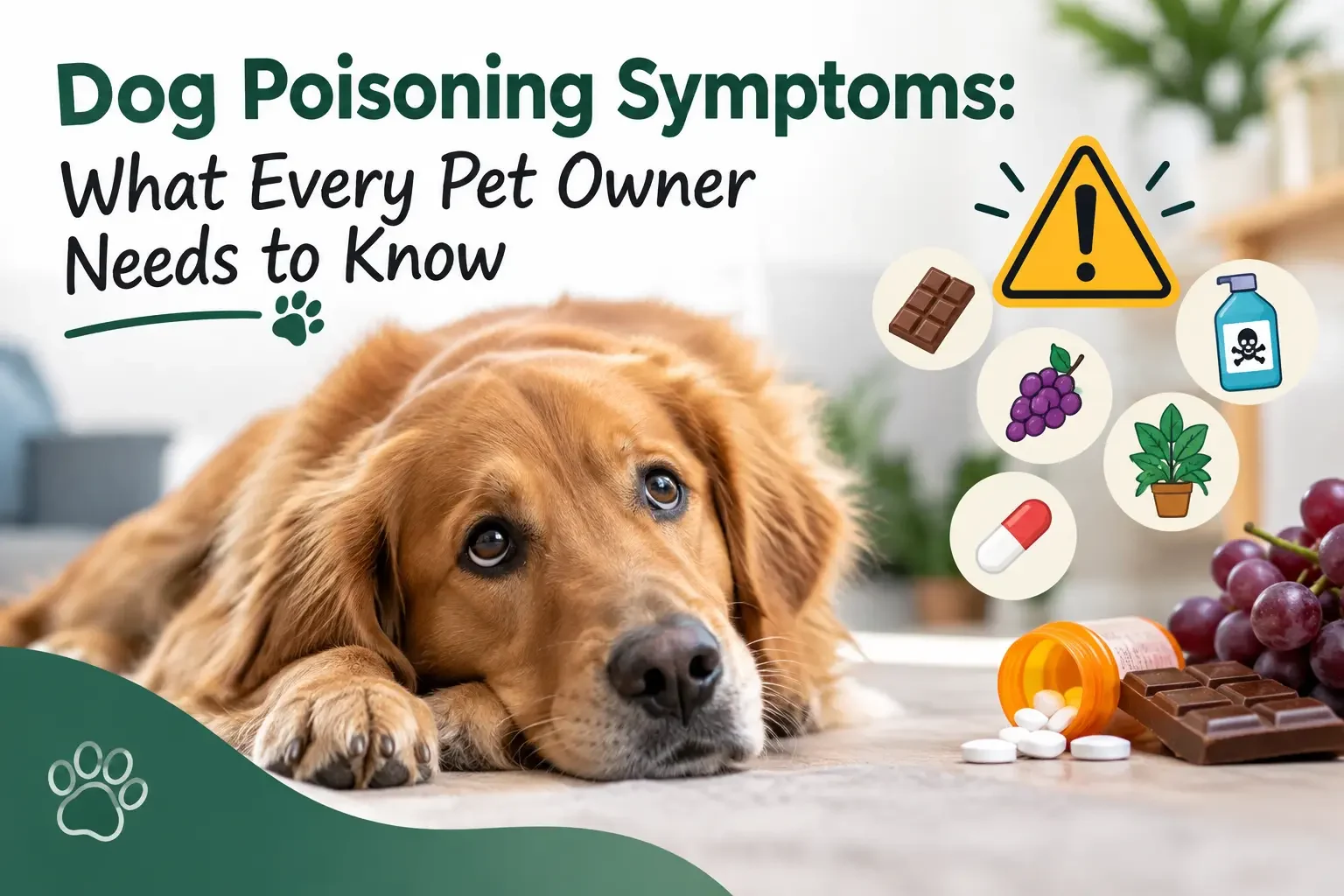
Dog Poisoning Symptoms: infographic

Dog Poisoning Symptoms: Warning Signs Every Owner Should Know

Dog Poisoning Symptoms: What Every Pet Owner Needs to Know

There are few more terrifying moments than when your dog suddenly gets sick and you don’t know what happened. Poisoning is one of the most frequent (and certainly most urgent) of the causes of sudden illness in dogs. From a chocolate bar that’s accidentally left on the counter, a toxic plant in the backyard, or a spill of a household cleaner, dogs are inquisitive creatures and may find themselves in situations they don’t need to be. If you catch the signs of possible poisoning early, you could save your dog’s life or prevent a life-threatening emergency.

Poisoning cases come in at Grove Center Veterinary Hospital every day, and when you aren’t sure if your dog’s symptoms are serious, it can be very overwhelming. This guide explains the most common signs of dog poisoning, the usual culprits and how to deal with it if your dog has eaten or consumed something that may be toxic.

Why Dogs Are More Likely to Become Poisoned Than Other Animals

Dogs use their noses and mouths to find out what’s going on. They search out food leftovers, eat plant leaves, lick up spills and raid garbage cans without an idea of what is safe to eat. It is this natural curiosity that makes dog poisoning symptoms one of the most common veterinary emergencies. Common culprits include:

  • Foods consumed by people such as chocolate, grapes, onions, and food made with xylitol (sugar substitute in gum and baked goods)
  • Pesticides, cleaning products, antifreeze are examples of household chemicals.
  • Medications (Human and Veterinary) particularly if accidentally left where children can reach them
  • Toxic plants, such as lilies, sago palms and azaleas
  • Poisoning can result from using rodenticides or insecticides around the house or yard.

There are a lot of things around a house that can be dangerous, so it’s one of the most important pet owner skills to have to recognize dog poisoning symptoms quickly.

Dog Poisoning Signs and Symptoms

The signs of dog poisoning can be very different depending on the type of poison consumed, the amount consumed and your dog’s size and health. There are a few signs of poisoning that tend to reappear in all forms of poisoning, however. If you see any of the following, it is important that you consider it an emergency situation.

  • 1. Vomiting and Diarrhea

One of the earliest signs of dog poisoning is gastrointestinal upset. This is frequently the body’s way of trying to get rid of a toxin that was consumed shortly after eating something unusual. Anything out of the ordinary, such as colour changes, blood or an unusual smell, can be a clue to your vet on what’s causing the issue.

  • 2. Sudden weakness or lethargy.

If a dog starts to appear tired, weak or unwilling to move around suddenly, it could be a sign that the toxin is affecting the nervous system, liver and/or kidneys. An unexpected lethargy, particularly when combined with other symptoms, should never be overlooked.

  • 3. Salivation or salivation and foaming at the mouth.

One of the most common symptoms of dog poisoning is drooling, especially when caused by toxic plants, some chemicals or rotten food. May also be a sign of nausea or mouth and throat irritation.

  • 4. Shaking, “twitching” or seizures

Some of the symptoms of dog poisoning are more horrific than neurological. Exposure to some pesticides, rodenticides, recreational drugs or certain plants can cause tremors, muscle twitching, disorientation, or complete seizures. These symptoms call for emergency treatment asap.

  • 5. Difficulty Breathing

Another serious symptom of dog poisoning is labored or rapid breathing, particularly when accompanied by other indications of poisoning which may be caused by heart or respiratory tract poisons, including some rodenticides and household chemicals. When the breathing pattern changes rapidly, this can be a sign of trouble and should be taken to your vet’s attention as soon as possible.

  • 6. Loss of Appetite

One of the less noticed signs of a dog poisoning is if the dog suddenly refuses food, particularly one that is normally good for their appetite. It often goes hand-in-hand with nausea, abdomen pain or stress to any internal organs.

  • 7. Gums that are pale or yellow.

Your dog’s gum color can give you a lot of information about his health. Yellowing (jaundice) may indicate some liver function involvement, and pale gums may indicate internal bleeding or shock. These are both serious signs of dog poisoning and require immediate treatment from a veterinarian.

  • 8. An excessive increase in urine production

Some poisons especially antifreeze can make them thirsty and urinate excessively in the beginning. This is a very subtle symptom of dog poisoning, because it may appear to be your dog just drinking more water on a warm day.

  • 9. Abdominal pain or bloating.

If your dog hunches, whines when you touch it near its belly or looks bloated, it might have an irritated inner body or organ problems. Many of the dog poisoning symptoms – even consumption of chocolate or chemical exposure – feature abdominal discomfort.

  • 10. Collapse or Unresponsiveness

In severe cases, dog poisoning symptoms can progress to collapse or a loss of consciousness. Medical emergency – urgent transport to an emergency vet hospital.

How Fast Do Dog Poisoning Symptoms Occur?

The onset of symptoms is very different for each toxin. Other substances such as some human medicines or chocolate may cause symptoms of dog poisoning within 30 minutes to a few hours. Some other products may not cause noticeable symptoms for 12 to 36 hours after poisoning has occurred, but internal damage is already taking place. This is one of the most hazardous characteristics of poisoning—that the symptoms may not be evident at dog poisoning first signs and symptoms, and the owner may think that because his dog looks fine, he is.

Due to this uncertainty, do not delay in taking your dog to the hospital if you know or suspect it has eaten something harmful. Call your vet or an animal Poison Control Center immediately.

If You See Any Signs of Dog Poisoning, Take Them to the Vet

When your dog displays any of the symptoms listed above, it’s time. Here are some guidelines to follow:

  1. Be calm, and take stock of the situation. Determine if your dog might have eaten something, how much, and when.
  2. Review the ingredients and symptoms of your pet’s medications. As detailed as possible, describe the symptoms you are seeing in the dog that you think are characteristic of poisoning.
  3. Never try to make someone vomit unless told to by a professional. Some of these materials are more harmful when introduced into the body again than when they are in the bottom, so proceed with caution and under the guidance of a professional.
  4. Bring evidence with you. Take the package, plant or substance your dog may have eaten to their vet visit if possible.
  5. Transport your dog in a manner that will minimize stress to their body.

Grove Center Veterinary Hospital is prepared to respond to poisonings quickly and effectively, which includes prompt diagnostics and treatment, such as inducing vomiting (when necessary), giving activated charcoal, administering IV fluids and supporting organ function as your dog recovers from the toxin.

Take Steps to Keep Dogs From Being Poisoned in the First Place

It’s important to know about the symptoms of dog poisoning, but prevention is always better. Here are some simple safety measures to keep in mind:

  • Use dog-proof cabinets for household and pet products, medications and antifreeze.
  • Avoid having toxic foods, such as chocolate, grapes, and xylitol sweets available.
  • Do some research on plants before introducing into your home or yard.
  • Lock bins and containers for waste materials
  • Supervise your dog outside, particularly in new places

Prevention is better than the cure; the odds of ever needing to spot signs of dog poisoning are better if you take proactive measures.

Conclusion

Poisoning is a serious and terrifying emergency and prompt identification of dog poisoning symptoms may literally save her life. These symptoms include vomiting, being lethargic, tremors and trouble breathing and should not be ignored or regarded as trivial and short-lived. Never wait to see if your dog improves if he is exposed to something that’s harmful. Call Grove Center Veterinary Hospital immediately — we are dedicated to delivering quick, caring emergency treatment to your dog when they need it most.

Frequently Asked Questions

  • What are the first indications of poisoning in dogs?

Initial signs of dog poisoning include vomiting, drooling, inappetence and lethargy. Some dogs may exhibit mild restlessness, or even disorientation before severe symptoms occur.

  • After eating a poisonous substance, how long does it take for a dog to exhibit symptoms?

This depends upon substance. The signs of dog poisoning vary, and can start to show within 30 minutes to a few hours, or may take up to 12 to 36 hours to be noticed, depending on the type of poison used (e.g. antifreeze or some rodenticides).

  • Will symptoms of dog poisoning pass?

Although the symptoms might go away, mild cases can have internal damage. When it comes to suspected toxic exposure, it’s always best to have a veterinarian assess your dog.

  • Which items are commonly found in homes that cause dog poisoning symptoms?

Common causes include chocolate, grapes, xylitol, some medications, antifreeze, cleaning products, and toxic plants such as lilies and sago palms.

  • If I believe that my dog was poisoned, should I try to induce vomiting?

Not without the help of a vet. While it may be beneficial to induce vomiting in some toxic substances, it may be dangerous in others, so it is best to consult your veterinarian or an emergency poison control center before attempting this.

  • When is it time for my dog to be taken to the emergency veterinarian if I suspect something is wrong with him due to poisoning?

If your dog exhibits any of these symptoms, such as trembling, convulsions, shortness of breath, collapse, pale or yellow gums, or vomiting repeatedly, contact your veterinarian’s office for emergency assistance — do not wait to see if it’s going to get better.
Pet Diagnostics Gaithersburg MD

Pet Diagnostics Gaithersburg MD | Grove Center Veterinary Hospital

Pet Diagnostics Gaithersburg MD: Fast, Accurate Answers for Your Pet’s Health

If your pet is not feeling well, don’t guess! This is why it is critical for Gaithersburg pet owners to have access to reliable pet diagnostics that they can trust. Here at Grove Center Veterinary Hospital, we’ve made sure to have the latest technology and staff that are trained and experienced in providing accurate answers, not guesswork, when your pet or family member needs them most.

If your pet is exhibiting some symptoms or you are in a much more serious situation, it is crucial that you have access to the necessary pet diagnostics Gaithersburg MD has to offer to prevent you from having a much bigger problem down the road. At Grove Center Veterinary Hospital, we are privileged to be the trusted pet diagnostics Gaithersburg MD that pet owners rely upon for clarity, speed and accuracy.

Pets do not speak our language and cannot tell us with words when something is amiss. Gaithersburg MD pet owners know why quality pet diagnostics are so vital to their pets’ care: because they enable vets to see what’s going on beneath the surface. Pet diagnostics Gaithersburg MD can be lacking of accuracy, and this can result in kidney disease, urinary blockages and infections becoming emergencies.

Proper pet diagnostics Gaithersburg MD can help in early detection:

  • Practise preventative measures to avoid severe illness if you do catch a disease.
  • Provide more effective and targeted treatment plans.
  • Lower the long-term treatment expenses
  • Explain how to enhance the outcomes of chronic conditions
  • Provide clarity and peace of mind for pet owners

Grove Center Veterinary Hospital provides a comprehensive range of diagnostics Gaithersburg MD services for your pet that can help provide you with a rapid and accurate diagnosis of your pet’s health.

In-House Blood Work

We have a pet diagnostics lab in Gaithersburg, MD, where we can collect blood samples and get the results usually within the same visit. This aids in a rapid assessment of organ function, identification of infections, as well as screening for underlying conditions.

Urinalysis

A large component of our pet diagnostics services in Gaithersburg MD is the urine test that allows us to identify early signs of urinary tract infection, kidney disease, diabetes and urinary blockage.

Digital Radiography (X-Rays)

Our Gaithersburg MD imaging services for pets also include digital X-rays so we can quickly and clearly see bones, joints, organs and identify problems such as swallowed objects, tumors, or fractures.

Ultrasound Imaging

Our pet diagnostics Gaithersburg MD team also employs ultrasound technology to look for changes in the heart, liver, kidneys and the abdominal organs in greater detail than X-rays alone.

Fecal Testing

Although detection of parasites is a standard treatment component, it is a vital one as it helps us determine whether your pet has parasites that could be impacting their digestive system.

Pre-Surgical Diagnostics

We have a pet diagnostics Gaithersburg MD plan in place before any procedure, which includes bloodwork and screening for your pet to make sure that your pet is a safe candidate for anesthesia and surgery.

Senior Wellness Panels

Preventive pet diagnostics Gaithersburg MD is key as pets get older. The senior wellness panels are designed to detect some of the most common age-related conditions before they happen.

As one of the most trusted Gaithersburg MD pet owners rely on for pet diagnostics, we are often called upon to detect and treat diseases including:

  • Kidney disease
  • Other antibiotics are used in the treatment of urinary tract infections (UTIs).
  • Pancreatitis
  • Urinary blockages
  • Diabetes
  • Thyroid disorders
  • Internal parasites
  • Increased risk of organ dysfunction due to ageing

Pets with symptoms such as excessive drinking, alteration of urine, vomiting, lethargy, or loss of appetite can benefit greatly from the clarity that comes from timely Pet Diagnostics Gaithersburg MD testing that allows for the early initiation of treatment.

All veterinary practices may not have the same level of diagnostic expertise within their premises. As a result of our dedication to speed in diagnosis, accuracy, and communication, Grove Center Veterinary Hospital has earned a great reputation among pet owners in the Washington, D.C. area for the diagnostics that we provide.

Fast, In-House Results

Many of our pet diagnostic tests performed in Gaithersburg MD can be processed on site, so there’s less waiting and quicker treatment decisions for your pet.

Advanced Equipment

Whether it’s digital X-rays or an ultrasound imaging, our pet diagnostics Gaithersburg MD technology enables our veterinarians to identify problems that may not have been discovered otherwise.

Experienced Veterinary Team

Our veterinarians aren’t merely conducting tests; they’re interpreting them with the expertise to craft effective treatment strategies, ensuring that you can count on us to provide the diagnostics Gaithersburg MD care you need.

Clear Communication

We know that medical results can be confusing. Our pet diagnostics Gaithersburg MD veterinarians have the time to provide you with a clear understanding of what is happening with your pet.

Diagnostics are important in the care of a sick pet, but they also serve a valuable function in preventive care. Talk to your veterinarian about scheduling a pet diagnostics MD testing if your pet:

  • Should have a wellness checkup once a year
  • Are you looking for a check-up for a senior pet?
  • Is exhibiting abnormal behaviors
  • Will undergo surgery in the near future
  • Chronic condition which requires monitoring

It’s easy to get started with our pet diagnostics Gaithersburg MD services. From routine bloodwork to imaging and emergency testing when your pet starts to show symptoms, our team is prepared to assist you. We focus on prompt appointments for pets who are ill and answers and treatments can be provided as early as possible.

Please call our pet diagnostic testing teams on our Contact Us page to schedule an appointment or to ask any questions about the diagnostic testing of your pet.

It’s important to have the right answers when it comes to the health of your pet. Dependable pet diagnostics Gaithersburg MD can provide will provide a greater sense of security, better treatment planning and earlier diagnosis. Grove Center Veterinary Hospital is proud to provide all of the services needed for comprehensive in-house diagnostics with qualified veterinarians and advanced equipment. When it comes to trusted pet diagnostics Gaithersburg MD, we’re here to assist you with the answers you need.

Q1. What types of pet diagnostics services are offered by Grove Center Veterinary Hospital in Gaithersburg MD? 

In-house bloodwork, urinalysis, digital X-rays, ultrasound imaging, fecal testing, and pre-surgical screening are all pet diagnostics Gaithersburg MD services provided.

Q2. When can I receive diagnostic test results for my pet?

 Many of our pet diagnostics Gaithersburg MD tests: such as bloodwork and urinalysis are performed in house and are frequently available on the same day.

Q2. When is it necessary to have my pet tested?

Diagnostic testing is recommended for pets that are undergoing annual wellness visits, for senior pets, for unusual symptoms, for pre-surgical screening, and to be used for the ongoing management of chronic conditions.

Q3. Are there any tests for kidney disease and UTI in pets? 

Yes, our pet diagnostics Gaithersburg MD services such as bloodwork, urinalysis, and more can diagnose kidney disease, urinary tract infections, and urinary obstructions.

Q4. Should diagnostic tests be done prior to surgery? Absolutely, pet diagnostics in Gaithersburg MD before surgery can help to ensure that your pet is a safe surgical candidate and is a safe patient for anesthesia.

Q5. How can I make pet diagnostics appointments in Gaithersburg MD? Please call us or submit a request for an appointment on our Contact Us page and ask any questions.

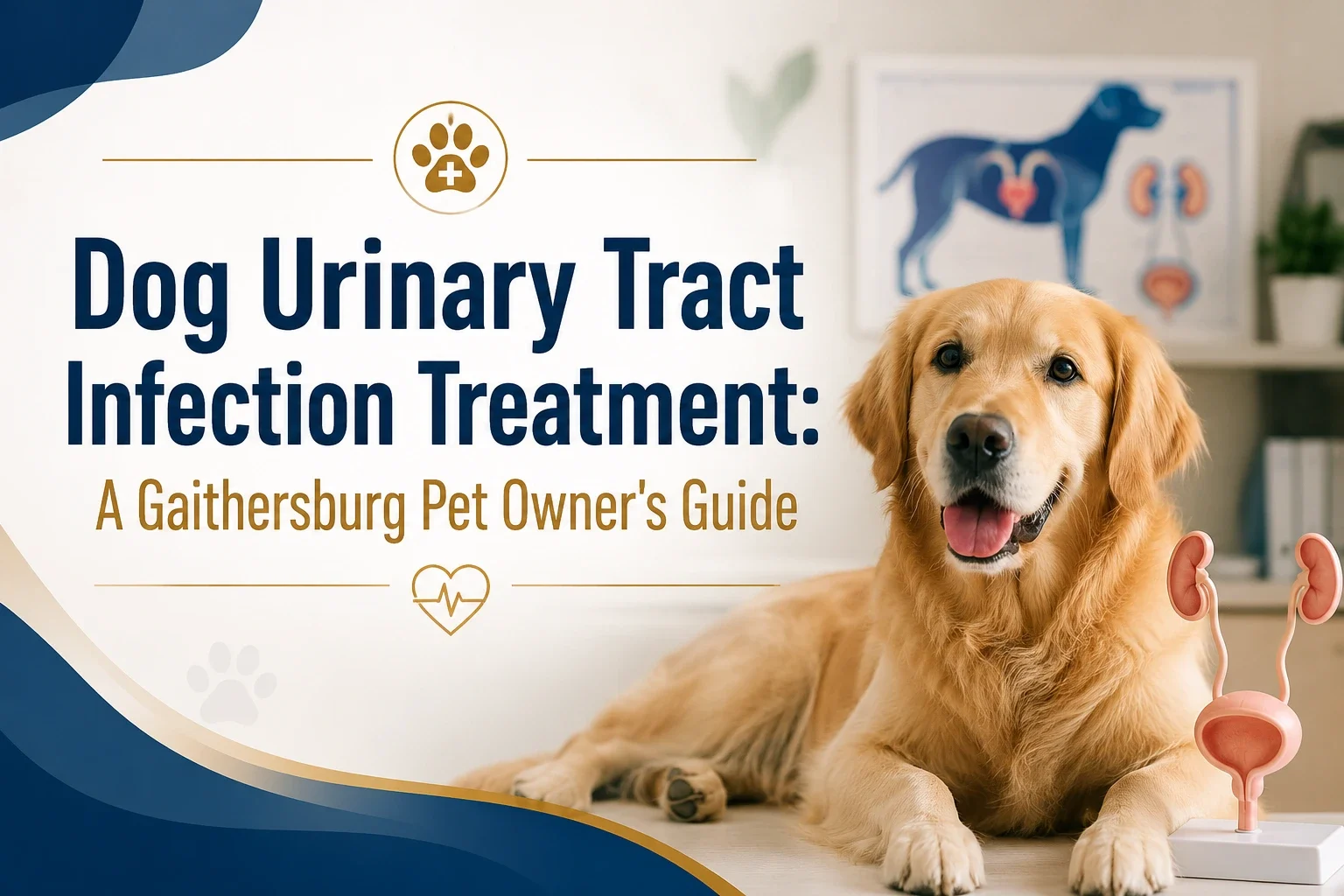
Dog Urinary Tract Infection Treatment

Dog Urinary Tract Infection Treatment: Signs, Diagnosis & Recovery

Dog Urinary Tract Infection Treatment: A Gaithersburg Pet Owner’s Guide

A UTI is likely to be a cause if your dog suddenly needs to go outside every hour, strains to pee or has accidents inside the house. UTIs are among the most frequently encountered conditions at Grove Center Veterinary Hospital, and fortunately, the treatment of a dog urinary tract infection is typically simple and highly effective if caught early. From initial vet visit to complete recovery, this guide explains why UTIs occur in dogs, how they’re diagnosed, and what treatment entails.

What is a UTI in Dogs?

UTI’s occur when bacteria normally present on the skin, hair or in the rectum migrate up the urethra and into the bladder. If left untreated, that infection may work its way up and affect the kidneys, a more serious infection known as pyelonephritis. A significant proportion of dogs will experience UTIs at some time in their life, particularly older and female dogs.

Most UTIs are in one of two categories and this is important when it comes to dog urinary tract infection treatment:

  • Sporadic (uncomplicated) UTIs: Only one UTI in a healthy dog.
  • Recurrent or complicated UTIs: UTIs that return or those that happen when there is another underlying medical condition such as bladder stones, diabetes, kidney disease.
  • Book an Appointment

So, what is it that causes UTIs in dogs?

Dogs are particularly vulnerable to most infections; here are some of the reasons, and an understanding of them can pave the way for the appropriate dog urinary tract infection treatment plan from the beginning:

  • Anatomy. The female dog’s urethra is a shorter structure, allowing bacteria to travel upwards easily. A recessed vulva is a particular risk factor in dogs for recurrent infections.
  • Age. UTIs are more commonly seen in senior dogs, either because of a weakened immune system, or another medical condition.
  • Underlying conditions. UTIs can be caused by diabetes, Cushing’s disease and chronic kidney disease.
  • Bladder stones. The stones may irritate the bladder lining and they can trap bacteria, making it more difficult to completely expel them from the bladder.
  • Incomplete bladder emptying. Long periods of urination without the dog getting the chance to go to the bathroom, or neurological problems that disrupt bladder control are risk factors.

It is crucial to determine if this is one of the causes when working on a dog treatment plan for an UTI, particularly for dogs that are experiencing recurrent UTI infections.

Recognizing the Signs

Dogs generally have symptoms that are easily seen, but can be misdiagnosed as a simple accident or “old age.” Watch for:

  • Urinary frequency (frequent urination) or straining to urinate (with minimal output)
  • House soiling problems by a dog that was house trained before the accident occurred
  • Urine that contains blood or is cloudy (urinary hematuria)
  • Urine that has a strong or unusual odor
  • Increased licking of genital area
  • Incontinence or urinating frequently.
  • Having trouble urinating or crying when urinating.
  • Increased thirst

If you see these symptoms, particularly if you are straining and have many small urines, you should consider going to see the doctor soon. Early treatment for a dog’s urinary tract infection helps to alleviate the discomfort quickly, which also helps minimize the risk of the infection reaching the kidneys.

How UTIs Are Diagnosed

Grove Center Veterinary Hospital will typically use the following steps to diagnose a UTI:

  1. Urine tests, to look for crystals, blood, bacteria, and white blood cells in the urine.
  2. Urine culture (if possible) by sterile needle drawn direct from the bladder to determine the actual bacteria present and what antibiotics will be effective.
  3. Blood tests to identify diabetes or kidney disease if it is known that the dog has a problem.
  4. In dogs that have multiple urinary tract infections, imaging (x-rays or ultrasound) to look for stones or abnormalities in the bladder.

While sometimes it’s not necessary for a first-time simple infection, for dogs that have recurring or chronic infections, culture is a crucial part of dog urinary tract infection treatment, because without knowing what type of antibiotic to use, one could leave behind resistant bacteria.

Book an Appointment

The spine of Dog Urinary Tract Infection Treatment is the following:

  1. Antibiotics Dog UTI treatment is the mainstay of antibiotic therapy. Modern veterinary practice encourages short courses, typically 3-5 days, and is mostly antibiotic based with amoxicillin or trimethoprim/sulphadiazine as the first choice. Within a day or two of starting the right medication, most dogs will notice a definite improvement, but it’s important to complete the entire recommended course of treatment, even after symptoms go away, to ensure the infection is completely cleared and to minimize the chance for resistance to develop.


  1. Pain Relief Sometimes antispasmodic or pain relief may be prescribed for a short period of time to help alleviate any bladder discomfort or urgency while the antibiotics are working and to prevent the bladder from becoming overly irritated by the UTI. This is not always indicated, but it can be useful to make your dog feel at ease during the first days of treatment.


  1. Addressing Underlying Causes If the blood tests or imaging tests show an underlying disease of the body, such as bladder stones, diabetes or a kidney disease, an underlying disease must be treated together with the infection. This is one of the most frequent causes of the treatment of UTI in dogs to either fail or become recurrent.


  1. Encouraging Hydration Increasing water intake helps to wash bacteria out of the bladder and thin the urine, reducing irritation. It’s a simple but helpful way of supportive care during treatment that includes encouraging people to drink water, sometimes by using a pet fountain and/or by adding water to food.


  1. Dietary Support A prescription urinary diet might be suggested for dogs whose bladder stones are helping to cause the urinary infections, to help dissolve some types of stones or to prevent their formation. Diet should not be used as an antibiotic, but rather as an important supporting treatment with more complicated cases.


  1. Follow-Up Testing A recheck urinalysis or culture taken around 1-2 weeks after completed antibiotic treatment confirms that the infection has actually resolved. This stage is easy to overlook when your dog is feeling better again, but it’s an essential component of a dog urinary tract infection treatment, particularly if your dog has a history of UTIs.

Managing Recurrent UTIs

If your dog is getting UTIs over and over again, it’s a different problem than a single UTI. Vets usually do the following for dogs that have had three or more infections within a year:

  • Re-culture the urine to check the bacteria and exclude resistance.
  • Examine to check for anatomical problems, bladder stones or hormonal problems
  • Take into account a more extended antibiotic treatment that is based on culture results.
  • Review hygiene, fluid and toilet routines at home
  • Discuss preventative measures: if the underlying factors are not corrected then the next flare up may be postponed but not prevented!

In most cases, a more comprehensive workup of your dog will be the most beneficial long term therapy for UTIs, though it requires more time initially.

What Recovery Looks Like

Dogs with uncomplicated, simple UTIs definitely feel much better within 24 to 48 hours of beginning the proper antibiotic, but the antibiotic will take its full course for the UTI to get better. Depending on the severity of the infection, including kidney infection and/or stones, a longer recovery period may be necessary and several of the above dog urinary tract infection treatments may be required. Monitor your dog’s urine, energy level, appetite, and, during dog urinary tract infection treatment, your veterinarian should be contacted if there is no improvement in symptoms within a couple of days of beginning antibiotic treatment.

When to Seek Emergency Care

If your dog is straining to urinate and very little urine is coming out, this can be a true emergency as it may be a urinary blockage, particularly in males. Do not wait and see if it will go away. Likewise, if your dog gets fever, starts vomiting or becomes more lethargic during the treatment, it means that the infection is probably spreading to the kidneys and requires immediate treatment.

If you’re unsure about when to contact Grove Center Veterinary Hospital, please reach out to us for advice.

If your dog is exhibiting any of the following symptoms, UTI does not mean it will go away on its own, so please don’t wait it out if your dog is urinating frequently, has urinary accidents in the house, or is leaking blood in the urine. Fast treatment of your dog’s Urinary tract infection means that your dog is comfortable and a minor bladder infection will not progress to a more serious condition like a kidney infection. Our Gaithersburg team of professionals is at your disposal to accurately and quickly diagnose the problem and return your dog to normal.

Conclusion

UTIs are not pleasant, but are also one of the more treatable conditions we see – particularly if managed at an early stage. Treatment of a UTI in dogs typically involves the correct antibiotic with the correct length of treatment, sometimes with a urine culture to help determine the proper antibiotic, as well as supportive care such as fluid therapy and pain management, if necessary. If a dog has had the infection more than once, it is important to get to the root of the problem to truly address the issue rather than just managing the symptoms. If your dog is making any indication that she is uncomfortable when she has to go, please contact Grove Center Veterinary Hospital and we’ll help her get comfortable again as soon as possible.

Frequently Asked Questions

  1. Which is the first step in the treatment of the dog UTI? 

A urinalysis is typically the first test performed and sometimes a urine culture may be included to confirm the infection and to identify what bacteria are causing it. This will enable your veterinarian to pick the best antibiotic right away.

  1. How many days does it take to treat dog urinary tract infection? 

The treatment for uncomplicated infections is usually a course of antibiotics lasting 3 to 5 days and most dogs can be seen making a tremendous improvement in 1 – 2 days. If the infection is more complicated or repeated, it may take longer to treat.

  1. Can a dog UTI go away without antibiotics? 

No, prescription antibiotics are necessary to completely eradicate a true bacterial UTI. Dogs will feel better if you provide supportive treatment such as an increased amount of water, but this does not cure the infection.

  1. What are most of the antibiotics prescribed for UTIs in dogs? 

Simple infections are often treated with amoxicillin and trimethoprim-sulfonamide. If possible, your veterinarian will choose the antibiotic that is best suited to the urine culture findings.

  1. What is causing my dog to keep getting UTI’s?

If a UTI is recurrent, there will be an underlying cause, such as bladder stones, diabetes, anatomic differences or a UTI that was not adequately treated. If the cause is identified through a proper work up then it can be treated directly.

  1. Do we routinely order a urine culture? 

Not always. Sometimes it is not necessary to use a test to guide treatment for a dog’s first simple infection. A culture is useful when treatment has failed or is likely to fail in the case of recurrent or complicated infections, and to prevent the development of antibiotic resistance.

  1. Can diet help prevent UTIs in dogs? 

A prescription urinary diet can be beneficial for dogs with bladder stones that is causing urinary infections. Encouraging good hydration, however, is more important than particular food for most dogs.

  1. What are the consequences of a dog UTI if it is not treated? 

If a UTI is left untreated, it can lead to a kidney infection, or in male dogs, to a life threatening urinary blockage. This risk is greatly reduced with timely treatment.

  1. If my dog appears to be getting better and I have been prescribed a complete course of antibiotics, should I complete it?

 Yes, absolutely. While symptoms may rapidly improve, early stopping of antibiotics may leave some survivors of the infection and help lead to a new or resistant infection.

  1. What is the best time to go to the emergency vet when my dog has a UTI? 

If your dog is straining to pass urine and is making very little, is extremely painful, or has a fever, vomiting, or acting lethargic, please contact the clinic immediately – not during your normal appointment.

Why Is My Dog Not Eating

Why Is My Dog Not Eating? Causes, Warning Signs, and Solutions

Why Is My Dog Not Eating? A Complete Guide to Canine Loss of Appetite

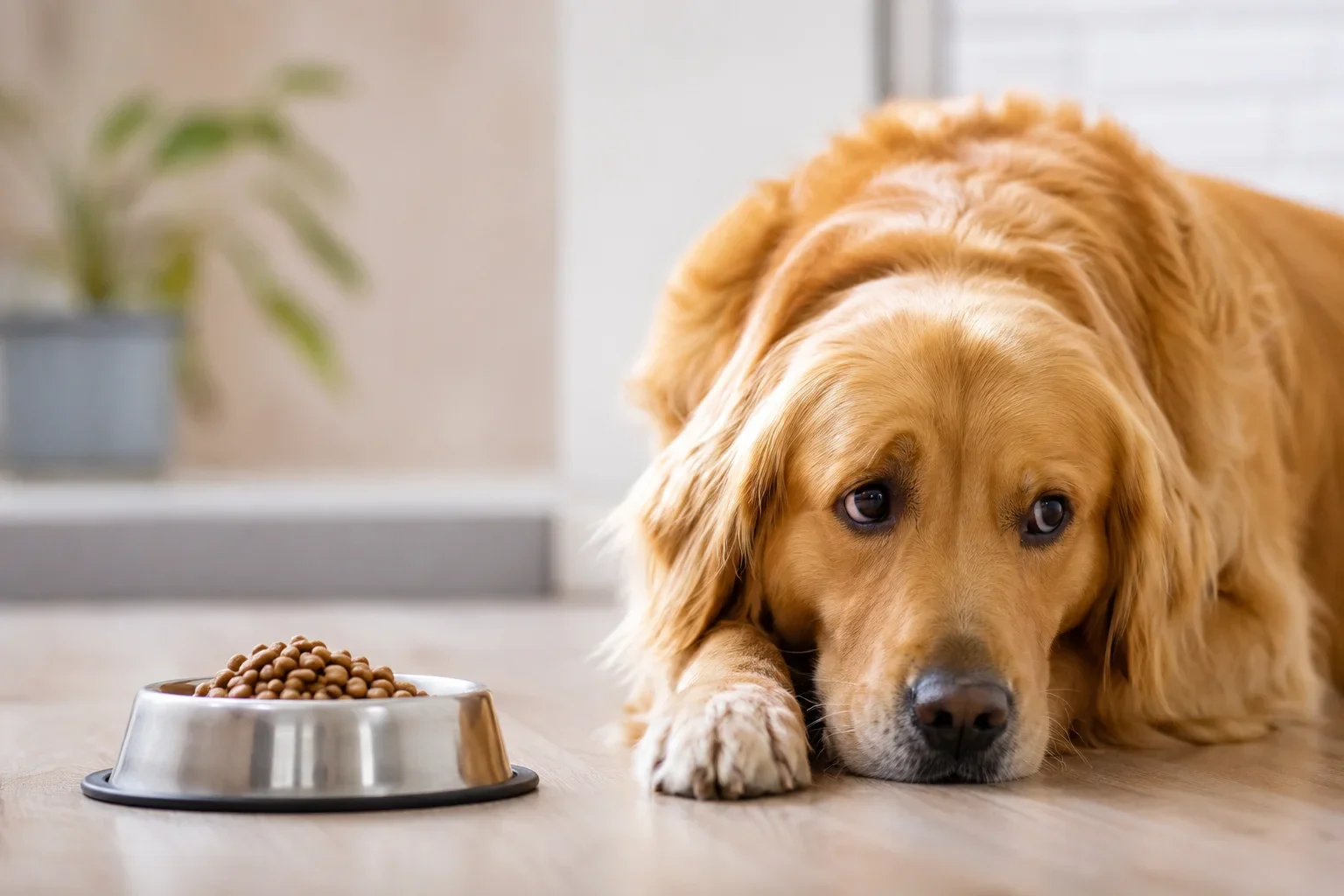
There’s nothing worse as a pet parent than taking away their dog’s favorite food, only to see the animal snubbing it and turning its back. Stomach is the chief motivator of a dog’s actions. Many breeds look forward to the time of day most of all – feeding time.
If a dog suddenly stops eating, medically this is called anorexia or inappetence and is an immediate smoke alarm that something is physically, emotionally or environmentally out of balance.
If your dog occasionally doesn’t eat, it may just be that he has an upset tummy, but if he refuses feedings for long periods of time, it could indicate a serious health issue. This guide will focus on some of the main medical and psychological causes for a dog loss of interest in eating, what signs to watch for that may signal serious trouble, and what you can do to get him eating without causing trouble.

There is a difference between being finicky and a lack of appetite.

It is important to pay attention to your dog’s food refusal behavior before tackling more complicated medical issues. There are two main types of dogs that do not eat: true anorexia and picky eating.

Picky Eating

If your dog refuses to eat his dry kibbles, but eagerly jumps up and gets chicken, commercial dog treats, or table scraps, then he is not truly experiencing a loss of appetite. Rather, they’re showing pickiness or preference in their behavior. They have found that if they wait and refuse their regular meals eventually you will have to give in to something more delicious.

True Inappetence

When a dog won’t eat anything, even high value treats, fresh meat, or their favorite treats, that’s a sign that he’s genuinely inappetent. This situation is almost always a reaction to an underlying physical illness, nausea, pain or psychological upset and needs to be monitored.

There are several important medical causes of not eating, and these are outlined below.

When they have a loss of appetite, it often indicates a digestive upset. The most frequently cited medical theories are:

  • 1. Gastrointestinal Distress A dog will not want to eat if his stomach hurts, just like a human will not eat if he/she has stomachache. If they ingest something that is toxic or indigestible from the garbage (also referred to as “garbage gut”) or their commercial food is suddenly changed, gastrointestinal problems can occur. Roundworms, hookworms, and other intestinal parasites and parvovirus (a viral infection in young puppies) can cause gastrointestinal problems.
  • Dental and Oral Pain In some cases, a dog may be very eager to eat but, when chewing, it causes excruciating pain. A dog may withdraw from their food bowl if they have advanced periodontal disease, fractured teeth, swollen gums, or a foreign object (such as a splintered stick) stuck in their roof of their mouth or their tongue.
  • 3. Systemic System Illnesses Loss of appetite is one of the first signs of many serious, internal health issues. When diseases of the internal organs, such as chronic kidney disease, liver failure, pancreatitis or diabetes lead to metabolic wastes being deposited in the blood, there is extreme nausea and the complete loss of appetite.
  • Vaccinations or medications in the last 2 to 4 weeks. It’s natural for your pet to experience a short period of inappetence if they’ve recently had a routine checkup at the clinic. Vaccines stimulate the dog’s immune system, and may make him feel a bit woozy or sick for the next 24-48 hours. Likewise, beginning new medications such as antibiotics or non-steroidal anti-inflammatory drugs (NSAIDs) can cause their tummy upset at first.

Mind and Environmental Factors

Dogs are creatures of habit. They need routines and require a predictable schedule, and digestive issues are tied to emotional well-being. A dog refusing food may be stressing over a change in routine, anxiety, or medical problems (if all has been ruled out):

  • A new home or a changed furniture configuration, even a mere change in the place where their food is served, can be enough to make an anxious dog feel too insecure to eat.
  • Lack of a Family Member: Dogs suffer severely from being separated from their family. When the primary caregiver is away on vacation, on college or in case of death, the dog may show signs of grief and not eat.
  • New Baby or Pet: When adding a new pet or baby into the household, the hierarchy is disrupted. Your dog may get too “scared” to approach the other pet if it is standing near the food bowl.
  • Hot summer weather and extreme heat: A dog’s energy level will drop during hot summer months. They don’t consume as many calories to keep their body warm, so they may notice that their appetite is reduced overall.

Emergencies: when to contact the vet right away.

A normal, healthy dog does not need to be a cause for worry if he doesn’t eat for one day, but it does become an emergency if a dog that does not eat turns into a medical emergency. If your pet is in any of these high-risk categories, please don’t wait:

The Danger Evaluation Checklist

  • Age Based Urgency: If your dog or cat is still a puppy under six months, he or she can have a blood sugar drop to a dangerous level (hypoglycemia) with just one meal. Call the vet right away.
  • The 48 Hour Rule: If a healthy adult dog has been eating nothing for more than 48 hours, he needs to be taken for a medical examination.
  • If the animal is not eating and has any of the following symptoms, take it to the vet immediately:

o Repeated vomiting or severe diarrhea.
o Abnormally drowsy, weak or unable to stand up.
o Dry or yellowish gums.
o Panting, whining or hunched back that indicate obvious pain.
o Outside eating followed by nonproductive vomiting or dry-heaving.

Safe At-Home Strategies to Encourage Your Dog to Eat

When your dog is behaving fine in all other ways, isn’t showing signs of an emergency, and you think maybe they’re just being picky or experiencing a little stress, consider the following safe options to make their food more appealing:

Warm Up Their Food

Food is the chief motivator for dogs and they select it mainly by their sense of smell. They can mix a little bit of all natural bone broth, warm, with no onions or garlic, into their kibbles and this can add a lot of flavor to the kibbles making them much more appealing to a pet that has some hesitation.

Add Bland Wet Food to the mixture

Your dog may have sore teeth or throat if they typically have hard kibbles. Consider a plain, easily-digestible diet of boiled, shredded white-meat chicken and plain white rice. If you have a little stomach upset, a scoop of plain (no pumpkin pie mix) canned pumpkin can help calm your stomach.

Improve the Feeding Environment

Ensure that your dog is totally secure whenever he eats. Offer them in a quiet room out of the way of noisy appliances, heavy traffic and other pets. Ensure that any multi-dog household has separate feeding areas with closed doors to avoid undue stress from resource guarding.

Conclusion

Loss of appetite in your dog is a definite sign for his need to receive some extra care and attention. These behaviours may be a reaction to a behaviour tantrum, anxious about a recent change in their home environment, or they may have an underlying medical condition such as dental pain or kidney problems.
With careful observation, a look for signs and symptoms, and communication with your vet, you can weather their picky eating and help your furry friend get back to its happy, healthy self.

Frequently Asked Questions (FAQs)

A dog can go without food for how many days?

While a healthy adult dog can survive several days without food, they still need to drink water. If your dog doesn’t eat for more than 48 hours, however, you should make an appointment to get him to the vet to help rule out an underlying disease.

2. Does my dog not want to eat something that he does want?

This is typically a sign of picky eating and not a medical condition. If your dog won’t eat plain dog food, he knows you’ll give him a yummy treat instead, such as table scraps or a treat. To correct this, follow a rigid schedule and only offer foods that are not in their meal until they have consumed it.

3. Does stress or anxiety make a dog go on a hunger strike?

Yes, absolutely. Dogs can have a tremendous amount of situational anxiety when major life changes occur in their environment, like a new baby, moving to a new home, noisy construction or a primary owner moving away, which can lead to days of not eating.

4. What home remedy can I give a dog who won't eat due to an upset stomach?

You can give your dog a bland diet of boiled white-meat chicken (boneless and skinned) and plain white rice in equal quantities. Plain canned pumpkin also can be used to treat a mild inflammation of the gastrointestinal tract with a spoonful. Don’t use oils, butter or spices.

6. Is a puppy's refusal to eat more serious than an older dog's refusal?

In fact, a puppy not eating is a very serious problem. Puppy fat reserves are not as great as those of an adult animal. If they miss meals, their blood sugar level could drop into dangerous hypoglycemia in 12-24 hours and trigger seizures or collapse. If a puppy won’t eat, call the vet right away.

if Dog is in Pain

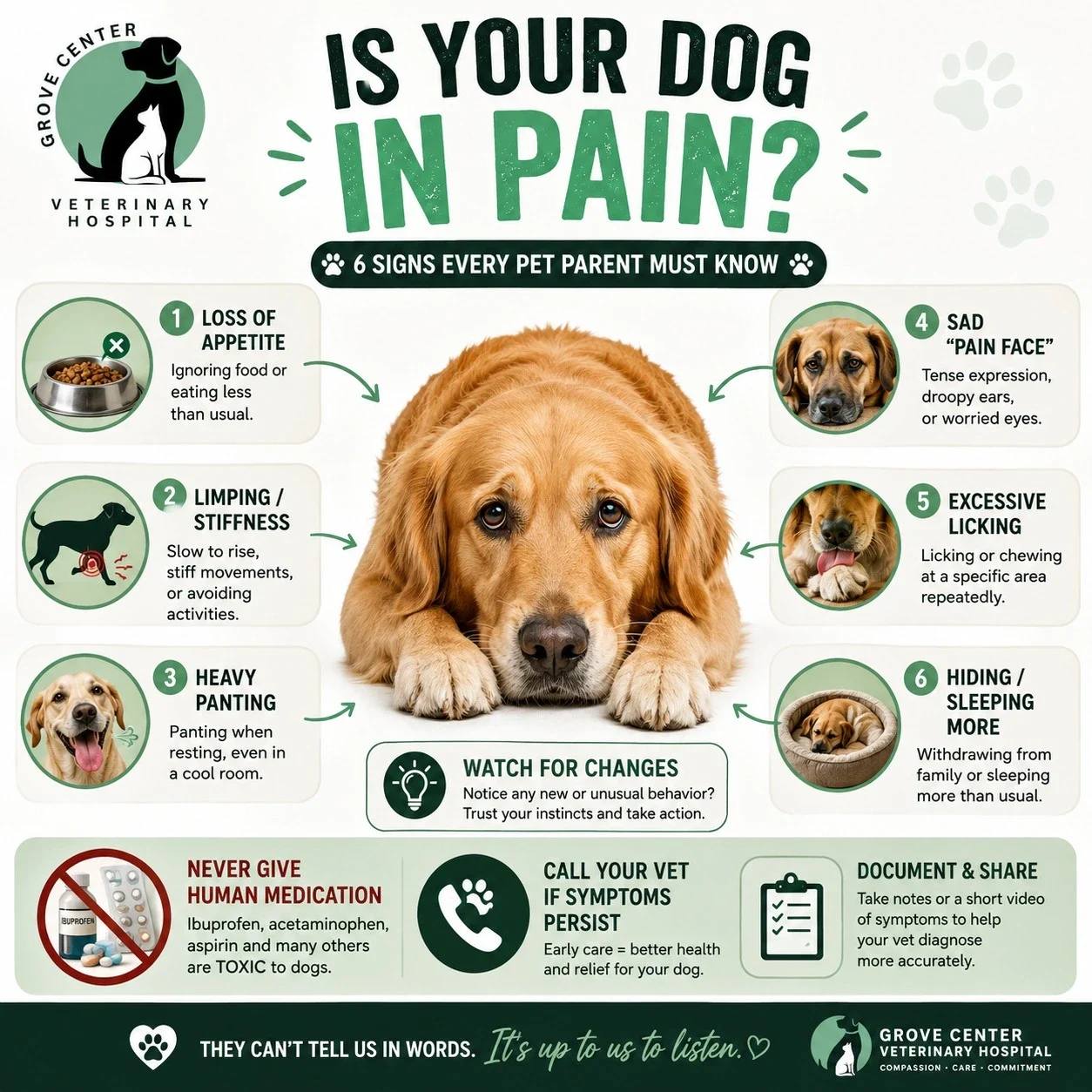
How to Tell if Dog is in Pain: The Ultimate Guide for Pet Parents

Our dogs know how to hide that they are in pain. This instinct is hardwired in us, and in the wild, it’s the first thing that goes through our minds when we see an animal that is vulnerable or injured that we are looking at. They aren’t able to communicate with words where it is hurting them, so it’s up to us to pay attention to the signs.
It’s important to be aware of any changes in your pet’s daily habits. Learn more than ever before how to recognize if dog is in pain, through this all-inclusive guide, which explains the physical, behavioral, and emotional cues that your dog reveals when they are hurt. In order to determine if dog is in pain, the first step is to analyze what he does on a daily basis. A hurting dog will tend to disrupt their routine and typically be unpredictable.

Behavioral and Routine Shifts

Familiar changes in sleep patterns

Have trouble sleeping at night and going to bed or waking up at a normal time? Or is your puppy so energetic that he doesn’t sleep at all and won’t get out of bed? Pain disrupts rest. If a dog is feeling pain in the joints or from an internal issue, it will have a really tough time laying down. These may lie down, get up right away, circle around their bed or move through it repeatedly searching for an area that will not cause pain.

Sudden decline in appetite is huge red flag and changes in eating habits

When your dog typically eats its food from the bowl and now walks away, it may be a problem of discomfort. When the pain in the mouth is caused by a broken tooth or dental conditions, eating becomes such a chore. Otherwise, food will become totally unappetizing because of nausea or internal pain throughout the body.

Physical and Postural Indicators

Physical and Postural Indicators tell a great deal about a dog’s physical health. One of the best ways to learn to look for signs of dog pain is to train your eyes to see structural and postural abnormalities.

  • The, Prayer Position: One of the classic signs of severe abdominal distress is the “prayer position. When a dog stretches out its front legs on the ground with its hindquarters off the ground. It may be as if it is a regular play bow but the dog may be unhappy, tense and not wag their tail. They’re doing this to help expand their tummy and to ease any extreme pressure that could come from situations such as pancreatitis or bloat
  • Trembling and Stiffness: Obviously limping, stiffness can be more subtle termed Trembling. If your puppy takes a long time to get up in the morning or is apprehensive about the stairs, then they might have arthritis or joint degeneration. If your dog shakes or trembles without a good reason even with warm temperatures in the room, it’s another big sign that he’s suffering from acute or chronic physical pain or discomfort.

Vocalizations and Audio Cues

Many dog owners believe that a dog in pain will whine, cry or howl. But, this is one of the biggest misconceptions in regards to dog health.
Many dogs suffer silently and stoically. Vocalization is generally only heard when the dog has an abrupt, sharp, acute pain – maybe, for instance, it has been stepped on or suffered from a sudden muscle spasm. Ongoing problems such as arthritis or progressive, long-term diseases do not usually cause ongoing whining. You may only know how your dog is feeling based on its crying, and not pick up on the signs.
Some dogs become louder, though, and whine, groan and grit their teeth more. You may observe your dog softly grunting when seated or hear some soft whining when attempting to get onto the couch. Be alert to these sounds in particular, particularly when they happen in the transition from one movement to another – they could be important indicators when learning to recognize when a dog is in pain.

Facial Expressions and Respiration

With just an attentive look at your dog’s face and an ear to the ground, you can gather a lot of information.

Heavy Panting and Shallow Breathing

It’s perfectly normal for dogs to pant after a vigorous game of fetch, or on a hot summer afternoon. If your dog is lying in a cool, air-conditioned room, and panting heavily, it is a physiological response to stress and distress. Are fast breathing, shallow breathing or panting without an environmental cause, when they are hurt.

Both “Pain Face” and Grimacing

Dogs faces are very expressive. Physical distress often causes a dog to be tight and tense. Watch for:

  • Furrowed brow, or flattened ears.
  • The “grimace,” where the lips are pulled back slightly at the corners
  • Wide eyed expression (sometimes called “whale eye” – the white parts of their eyes are more visible than normal).

Changes in Grooming Habits

Grooming shifts can be in either direction based on what the underlying problem is, so this is an interesting area of observation when deciding if dog is in pain.

Localized Grooming

When a dog is hurt in a certain localized area, they will instinctively lick and clean that spot even in the absence of an external wound that needs to be licked and cleaned. If a dog has localized joint inflammation, they will lick, bite and chew at that one area constantly, or if they have a hidden bug bite or bruise in a deep muscle, they will constantly lick, bite and chew at that one area. Lots of licking can rapidly irritate the skin and result in hot spots.

Neglecting the Coat

On the other hand, if a dog is suffering from chronic disease on a large scale, then they might even cease grooming themselves altogether! If your dog’s joints hurt a lot, then it won’t be very comfortable for your dog to turn around and brush his coat. If your usually well-groomed pup develops some matted, undressed or soiled spots, it’s time to take a closer look.

Changes in Emotion: From Aggression to Withdrawal

Pain changes the emotional threshold of a dog, and directly affects the way that a dog relates to the human family and other dogs. When a dog has a change of emotional state, it is called a behavioral shift, aggression versus withdrawal, and it will directly affect a dog’s interactions with her family and other pets.

Sudden Aggression or Guarding Behaviors

When your very sweet, very gentle dog suddenly growls, snaps or bares their teeth when you try to approach and put your hands on them, don’t conclude that they have a behavioral problem just yet. It is a reaction to the threat. They understand that touching hurts and they are learning to create a barrier around themselves through verb and dental communication.

Hiding and Isolation

Otherwise, when some dogs are not feeling well, they will withdraw from social interaction and hide. They may hide under the bed or curl up in the back of a closet or may not answer the door when you return home. This self-isolation is a protective survival mode that helps to keep them away from danger when they are feeling vulnerable.

Quick Reference Summary Matrix

To review this information in a quick manner, refer to this reference table of the typical differences between a normal dog and a dog in distress.

Observation Area

Healthy Baseline

Potential Pain Indicator

Mobility

Fluid, eager movements; easy transitions

Stiffness, limping, slow to rise, trembling

Rest

Settles quickly, sleeps peacefully

Continuous pacing, shifting positions, restlessness

Respiration

Slow, steady breathing when resting

Heavy panting or rapid, shallow breaths in a cool room

What to Do When You Suspect Discomfort

If you have carefully reviewed these signs and are now confident that your dog is hurting, your very next step must be to call your veterinarian.

Critical Safety Warning: : DO NOT EVER give your dog any human medicines such as ibuprofen, acetaminophen or aspirin. These are nonprescription medications that humans take and can be very toxic to dogs, resulting in acute kidney failure, severe gastric ulceration or fatal internal bleeding.

If you are going to the vet clinic try to safely document what you are seeing prior to arrival. Make a brief video of your dog limping, pacing or breathing abnormally. Dogs frequently come running into a veterinary clinic when they are excited or frightened, and may initially be symptom free. It’s a tremendous diagnostic tool to show your vet a video recorded at home.

Conclusion

When it comes to dog pain, knowing how to recognize it is one of the most crucial duties of being a pet owner. Our dogs can’t communicate their pain directly to us, we must learn to read the minute changes in their body language and behavior. Some subtle hints are all your dog needs to seek assistance, such as a change in sleep pattern, panting in a cool room, uncharacteristic hiding behaviour, or licking in a small area.
Seeing to your beloved companion’s every need, understanding their defensive boundaries, and working quickly with your veterinarian, you can make sure your cat receives the relief, care and comfort it deserves.

Frequently Asked Questions

Q1: If at home, how can I tell if my dog is in pain?

A: The best method of checking is by watching their posture, breathing and movement carefully, but not by touching them. If you do need to take a close look, gently run your hands over their body. Be particularly alert for flinch, blink or pant on their face. If your dog becomes stiff, growls and/or moves away, stop now and don’t get bitten.

Q2: What’s causing my dog to pant all the time when he is sleeping?

A: Panting that persists in the room, if the room is cool and your dog hasn’t just been active, is a classic indicator of stress, anxiety or physical discomfort. Their heart and breathing rate increases on pain, leading to heavy panting.

Q3: Does a dog have to whine and cry to be in pain?

A: Yes, absolutely. The majority of dogs are uncomfortable when the interaction is silent. Vocalization (whining or yelping) is generally used for sudden, sharp, acute injuries. If the dog has arthritis, or an underlying disease, it will always be covered up by him as a survival mechanism.

Q4: What do dogs do when they have joint pain?

A: If a dog has an arthritis, they will be stiff, particularly when getting out of a nap. They will walk much slower, may not want to run up and down stairs, may be reluctant to jump onto furniture, and may often lick or chew on the particular joint that hurts.

Q5: What does a doggy ‘prayer position’ refer to?

A: The prayer position is when a dog lowers its front legs and body to the ground, but leaves the back end elevated high in the air. The dog will not look as it does with a “bow,” but rather look rigid and uneasy. This position is employed to stretch out the abdomen in an attempt to alleviate high internal pressure or pain caused by such ailments as bloat or pancreatitis.

ANEMIA IN DOGS, cats

ANEMIA IN DOGS AND CATS

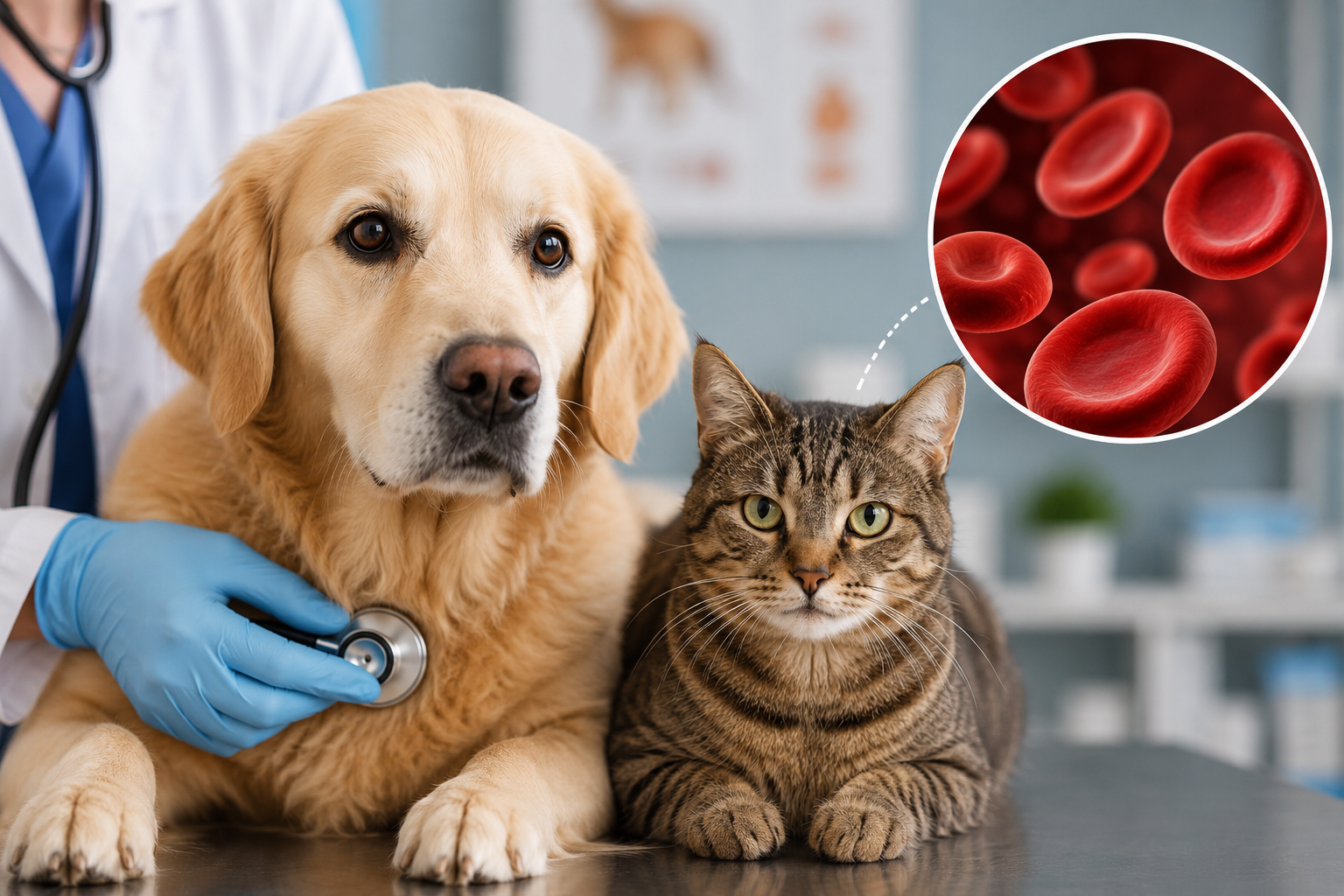
your parent will learn about anemia in dogs and cats, and what it means when gums start looking pale and the dog or cat seems lethargic. Is your normally active dog not pulling its weight at the leash? Maybe your cat has suddenly declined to jump up on that window sill she loves so much or is sleeping more than normal? Lethargy in dogs and cats, or basic tiredness, is thought of as a regular thing when an animal ages, or a lazy daytime, but could possibly indicate a more severe, underlying issue with your pet’s circulatory system: Anemia in dogs and cats.
Anemia is not a universal condition. Rather, it is a clinical sign, which can be a serious issue of your pet’s red blood cells. They carry oxygen to all the muscles, tissues and organs of the body, and a sudden decrease in their numbers results in some form of suffocation within the body. It’s very upsetting to see your furry family member grow weaker every day. To assist them in their recovery, it is important to know how anemia occurs, how it can be detected at home, and advanced veterinary treatment to bring them back to their energy and vitality.

What is Anemia?

Anemia occurs when there is not enough red blood cells in the blood. In order to understand the effects of anemia on dogs and cats, one must examine the inside of their bone marrow, where red blood cells are continuously produced. These cells have a high concentration of a protein that contains iron, known as hemoglobin. Hemoglobin carries oxygen from the lungs to the rest of the body.
In dogs and cats, anemia is a condition in which the number of red blood cells and/or hemoglobin in the blood is abnormally low. If there are not sufficient working cells to supply oxygen, the heart has to work harder and faster to get the job done, causing this to cause exhaustion, weakness, and stress to the tissues.
There are two main types of anemia recognized by veterinarians, which are determined by the response of the bone marrow.

Regenerative Anemia: The bone marrow sees the lack and starts to make more and more of the immature red blood cells (reticulocytes) to make up for it. This is usually when there is sudden loss of blood or destruction of cells.

Non-Regenerative Anemia: The bone marrow is totally inactive, and will not generate new cells. This variant is typically a sign of chronic long-term diseases or of direct bone marrow failure.

The shortage has hidden causes.

There are many medical causes that can lead to anemia in dogs or cats. There are three primary types of causes.

Sudden or chronic blood loss (hemorrhage)

Anemia occurs rapidly when the blood flow out of the body exceeds the amount the body can replace. This may result from a more obvious trauma like being hit by a car or potentially from concealed, internal bleeding, for instance, due to a ruptured splenic tumor (hemangiosarcoma). It can also occur from severe external parasites such as fleas and ticks or from internal parasites (hookworms) which are sucking blood from the intestine over time.

Damage to red blood cells (Hemolysis)

Sometimes the body makes abundant cells which die before entering the blood stream. Many times this is related to a serious, life-threatening autoimmune condition called Immune-Mediated Hemolytic Anemia (IMHA) in which the pet’s immune system attacks its own red blood cells. Blood parasites (such as Babesia or Mycoplasma) and a number of other substances that might be accidentally ingested, such as zinc (pennies minted after 1982), onions, garlic or certain medicines for humans are all possible causes of hemolysis.

Poor production due to low levels of bone marrow.

If the bone marrow is unable to make cells, then non-regenerative anemia occurs. This is a common secondary problem of Chronic Kidney Disease. The kidneys also make an important hormone, called erythropoietin, which tells the bone marrow to make red blood cells. If the kidneys fail, the hormones begin to decrease and the cells will not produce any more. Chronic infections, cancers and viral diseases such as Feline Leukemia Virus (FeLV) or Feline Immunodeficiency Virus (FIV) directly affect the function of the bone marrow.

The symptoms that every pet parent should check are:

The signs of a declining red blood cell count may be hard to detect in the early phases of anemia in dogs and cats, so pet owners must familiarize themselves with the physical indicators.


      • Pale or White Gums: This is the most definite clinical sign. Hold your pet’s lip and check their gums. If a dog’s gums are healthy, they should be bubblegum pink. If they are pale pink or white or have a slight yellowish (icteric) tone, then your pet is probably anemic.

      • Excessive lethargy and exercise intolerance: You pet may get tired after walking a short distance, not want to play or stay in dark corners all day.

      • Rapid Breathing and Heart Rate: Tissues are oxygen deprived, so the machine must work much harder. Your pet might pant heavily when resting and/or breathe faster.

      • Loss of Appetite and Weight Loss: Gradually lessening interest in food or treats, muscle loss.

      • Jaundice (Yellow Skin or Eyes): If the anemia is due to rapid destruction of the red blood cells, a yellowish substance called bilirubin accumulates in the tissues, causing the whites of the eyes and ears to turn yellow.

    How the vet determines the severity and diagnosis.

    Once you suspect anemia in your dogs and cats, your veterinarian will immediately conduct diagnostic testing in your pet to confirm the diagnosis and determine the underlying cause.

    Complete Blood Count (CBC) and Packed Cell Volume (PCV)

    The fastest method of testing for anemia is through a PCV test. A small blood sample is taken, placed in a centrifuge and the percentage of red blood cells is compared against the volume of blood. A normal PCV for dogs is roughly 35% to 55%, and for cats, it is 30% to 45%. Pet’s PCV levels outside these ranges indicate anemia. The absolute reticulocyte count is also measured to see if the bone marrow is actively opposing the anemia.

    Blood Smear Evaluation

    A drop of blood will be examined with a microscope by a veterinary pathologist to inspect the physical structure of the cells. Abnormally-shaped cells (such as spherocytes) may confirm the diagnosis of an autoimmune disorder such as IMHA and a close examination may identify minute blood parasites attached to the cell walls.

    Advanced Treatment Options

    Treatment of anemia in dogs and cats depends solely on the extent of the anemia (the number of cells lacking), and the disease process.

    Lifesaving Blood Transfusions

    If the PCV is below the danger level (usually 15-20%), the pet may need an emergency blood transfusion to stabilize them. Dogs and cats also have blood types, and vets will do a compatibility cross match before giving donor blood. Transfusions are not a cure for the underlying condition, but do give the veterinary team valuable time to allow medications to take effect.

    Targeted Medical Protocols


        • Immunosuppressive Drugs: High doses of immunosuppressive drugs such as corticosteroids (e.g. prednisone) or more sophisticated immunomodulators (e.g. cyclosporine) may be administered to prevent the immune system from attacking its own blood cells in cases of IMHA.

        • Antibiotics/Antiparasitics: To eliminate underlying blood parasites, tick-borne diseases or bacterial infections.

        • Hormone Therapy (Erythropoietin): If your pet has chronic kidney failure, this hormone can be given in a synthetic form to stimulate your pet’s lazy bone marrow and get it producing new cells.

        • When severe flea, tick or hookworm infestations are present, they are treated aggressively to prevent active blood loss.

      Conclusion

      Anemia is a condition that can be complex and quite intimidating to the pet owner, but is one of the areas that veterinary medicine has developed thoroughly in recent years to deal with. Early detection is the key to successful recovery. Pets will have naturally varying gum colors, but intense redness, blue colors, or changes in color at any point should be cause for concern, as should be any sudden decrease in activity or rapid breathing. Routine gum checks at home, watching for sudden changes in energy or rapid breathing, and prompt veterinary action at the first sign of trouble, can mean catching the underlying disease process before it becomes life-threatening. Many pets with anemia recover and fill their blood back up and enjoy a happy, active life if the necessary diagnostic puzzle pieces are placed and the right treatment plan is followed.

      FAQ

      Q: Yes, dogs and cats have blood types that are different if used for transfusion.

      A: Yes. There are more than 12 blood group systems in dogs, known as DEA (Dog Erythrocyte Antigen). The blood typing system in cats is very strict and distinct, with only A, B, and AB blood types. The process of typing and cross-matching are important, particularly with cats, where incompatible blood transfusion reactions can be fatal.

      Q: Is there a special diet that I can give my pet to treat her anemia?

      A: Nutritional deficiencies are a very rare cause of anemia in dogs and cats, while iron-rich foods are extremely good for humans that are iron deficient. An increase in iron intake will not cure iron-deficiency anemia due to autoimmune disorders, cancer, kidney disease or rapid bleeding. Always treat the root cause, as directed by the veterinarian.

      Q: What is the recovery time for an anemic pet varies by the cause of the anemia, the severity, and the type of pet?

      A: Usually it takes the body 2 to 3 weeks to produce a normal supply of mature red blood cells and to return the PCV to normal when the bone marrow is healthy and the problem (such as flea infestation, slow bleeding etc.) has been eliminated completely.