Grove Center

  • Home
  • About Us
    • Our Philosophy
    • Hospital Policy
    • Working Hours
    • Our Team
  • Services
  • Emergencies
  • Contacts
    • New Client
    • Pet History
  • Blog
  • Home
  • About Us
    • Our Philosophy
    • Hospital Policy
    • Working Hours
    • Our Team
  • Services
  • Emergencies
  • Contacts
    • New Client
    • Pet History
  • Blog

Grove Center

Grove Center

  • Home
  • About Us
    • Our Philosophy
    • Hospital Policy
    • Working Hours
    • Our Team
  • Services
  • Emergencies
  • Contacts
    • New Client
    • Pet History
  • Blog
dogs Tag
Home dogs Page 9

Tag: dogs

4128277
July 25, 2024
grovecenter grovecenterAllDogs

Drowning or Near Drowning: First Aid

Suffocation by drowning is caused by the lungs filling with water or other fluid. Some pets can seemingly recover from a near-drowning incident, only to succumb to a collection of fluid in the lungs (known as pulmonary edema) hours later. This phenomenon is known as ‘dry drowning’ and can be fatal. For this reason, all pets that have fallen into a pool or other body of water should be evaluated by a veterinarian and observed for complications.

What to Do

  • Remove your pet from the water if it can be done safely. 
  • Place him on his side with his head and neck extended. It’s preferable to have the head slightly lower than the body to promote drainage of water from the lungs and to avoid inhalation of stomach contents (aspiration). 
  • To expel water from the lungs and stomach, pull the tongue forward and gently push on the chest wall and stomach. Take care to avoid being bitten.
  • Begin CPR as required.  
  • Cover the pet with a blanket to avoid further heat loss.  
  • Seek veterinary help as soon as possible. 
  • Secure the water source to prevent other pets and children from gaining access and falling in.

What NOT to Do

  • Do not fail to seek veterinary help just because your resuscitation is successful and your pet seems to be recovering. Numerous secondary complications (i.e., electrolyte imbalance, hypothermia, pneumonia, fluid in the lungs) can occur. 
  • Do not leave the pet unattended as they may be confused and wander back to the water.

Almost all cats and dogs instinctively know how to swim. Unfortunately, they also instinctively swim to the nearest edge of a pool to get out. Usually that is not the right decision. Most animals are unable to get out of a swimming pool at the edge and must swim to a step.  If they don’t know where the steps are and fall in, they will try to swim to the nearest edge and attempt to get out, or may tire out and drown. If your pet has access to a swimming pool, you must teach them where the steps are.

LEARN MORE
5183761-1
July 25, 2024
grovecenter grovecenterAllDogs

Difficult Birth: First Aid

Puppies are born 58 to 72 days after mating. Because canine spermatozoa live 4 to 11 days in the bitch’s reproductive tract, it is usually not possible to accurately determine the day of birth from the time of mating. If purposefully breeding, ovulation timing can be performed to determine with much greater accuracy the expected delivery date. A cat’s gestation period is similar at 63 to 65 days.

If the contractions are frequent, regular, and strong, and no young is produced in 15 to 30 minutes, the pet should be taken to a veterinarian. Intermittent contractions with no kitten or puppy should be evaluated after 1.5 to 2 hours as long as the dam appears comfortable. A dark green vaginal discharge called lochia should be followed within 5 to 10 minutes by a puppy or kitten, but only before the first one. Heavy bleeding requires an immediate veterinary examination.

While a few cats can take up to 24 hours to complete the birthing process, most should follow the same protocol as for dogs.

About two out of three cases of difficult birth (known as dystocia) that need to be seen by a veterinarian will need to have an emergency C-section performed. It is good practice to know long before the due date where your local veterinary emergency facility is, and when and if they can perform a C-section. C-sections are risky and expensive surgeries and careful consideration should be given to the decision to breed your pet or not. X-rays taken after the 44th day of gestation (not necessarily from breeding) can show how many babies will be born but they are much easier to count when the skeletons are fully mineralized later in gestation, after day 50. This will allow you to know when the mother is done giving birth.

Reddish to brownish vaginal discharge can continue for several weeks after a normal birth. If the mother is eating normally and is normally active, this isn’t a problem. If she becomes lethargic, stops eating, has a fever or acts ill, prompt veterinary attention is needed.

Some new mothers can experience a condition called eclampsia in which their blood calcium levels drop dangerously low. This is due to the large amount of calcium secreted in milk for newborns. Dogs with eclampsia experience poor mothering, severe muscle tremors, difficulty walking, and seizures. Immediate veterinary care is needed if your dog is showing any of these signs. Eclampsia can happen anytime around birth but is most common during peak milk production (2 to 4 weeks after birth).

What to Do

  • Prepare a clean, warm, and easy-to-clean area for the birth. Puppy rails for whelping boxes are lifesavers for puppies.
  • Check on the mother frequently without disturbing the process. Repeated interruptions will only delay birth.
  • If a baby is visible in the birth canal and appears stuck, gently grasp the foot or feet with a clean cloth. With a steady motion gently pull upwards towards the dam’s tail on the baby only when the female is contracting. If the baby does not come out easily, transport the pet to a veterinarian. 
  • When the baby is born, it will likely be covered in a membrane. If the mother doesn’t remove it, tear this membrane and remove it from the baby’s head region.  
  • If the mother doesn’t remove the umbilical cord, or is being rough with it, tie it with a piece of string or dental floss one-fourth of an inch from the baby’s abdomen. Then cut the cord one half of an inch from the abdomen with a sharp scissor on the dam’s side of the cord. Apply 2 percent tincture of iodine to the entire umbilicus (buy this beforehand, just in case).
  • Keep the babies warm. It is best to leave them with their mother, but sometimes she doesn’t stay with them. In that instance, put a plastic bottle filled with warm water near the babies. A hot water bottle covered with a towel works as does a Snuggle Safe™ disc. Neonates must have room and be strong enough to move away from the heat source. The room temperature should be around 85F. Allow room for the babies to move toward or away from the heat source.

What NOT to Do

  • Do not put your fingers in the birth canal as you can cause trauma or infection. 
  • Do not forcibly attempt to remove a baby.  
  • Do not assist delivery by pulling on the head of a baby or on the umbilical cord as it exits the mother.  
  • Do not lift the baby by the umbilical cord.  
  • Do not use a heating pad.
  • Most kitten and puppy births go smoothly with the mother doing all the work. The babies contentedly nurse on the mother soon after birth.
  • You may not see the afterbirth (placenta) being passed. Many mothers will eat this after it is passed without anyone noticing. It’s usually not a problem if all of the placentas are not immediately passed as the dam usually passes them later, but on occasion retained placentas do not pass and in those cases can cause serious illness.

LEARN MORE
7692214
July 25, 2024
grovecenter grovecenterAllDogs
Dehydration: First Aid  

Dehydration is excessive loss of water from the body (typically through vomiting and/or diarrhea) or inappropriate intake of water into the body (decreased thirst).  The most common mistake with a vomiting pet is to encourage food and water intake while the pet is still vomiting. This actually makes matters worse by not allowing the stomach and intestinal tract time to rest and can cause additional vomiting and water loss. Removing access to food and water for a short period of time may seem like it would make dehydration worse, but it can help your pet avoid further dehydration. Dehydration makes your pet feel lethargic, and can potentially cause severe problems with the kidneys and other internal organs if untreated.

What to Do

  • If moderate or severe dehydration, seek veterinary attention.  (See below for how to assess if dehydration is potentially severe in your pet.) 
  • If dehydration is mild and the pet is not vomiting, give frequent, small amounts of water by mouth; that means in the range of 1 tsp for a cat or small dog to 1 tbsp to 1/4 cup for a medium to large dog every few hours.
  • If your pet is lethargic, in pain, or has not eaten for 24 hours, seek veterinary attention.

What NOT to Do

  • Do not allow your pet to have immediate free access to large amounts of water or other liquid.  
  • Do not feed your pet any dry food until directed to do so by a veterinary professional.

Dehydration often accompanies symptoms like vomiting, diarrhea, hypothermia (low body temperature), fever, no access to water, and other conditions. It can be detected by several tests:

Mouth: Are the tongue and gums moist or dry? If they are dry, there is a chance your pet may be dehydrated. Is the saliva thick or ropey? Normally, saliva is quite watery and hardly noticeable.

Eyes: Are they normal, or do they sink into the sockets? Sunken or dry eyes may indicate dehydration, and warrant veterinary attention.

Skin: Do the skin turgor test outlined in the Physical Exam Checklist. If the skin is slow to return to position, the pet may be moderately to severely dehydrated. If the skin does not return fully to its position, your pet may be severely dehydrated and may be in critical condition. Seek veterinary attention immediately. The skin turgor test is not always accurate and several factors such as age, weight loss, and condition of the skin can give misleading results. A veterinary professional can help you determine how dehydrated your pet is, what the cause may be, and the best course of treatment.

LEARN MORE
4128704
July 25, 2024
grovecenter grovecenterAllDogs

Diabetic Dog Diet

By now you know that diabetes mellitus is about a lack of insulin and a need to balance insulin given by injection with dietary nutrients, especially sugars, fats, and proteins. Regardless of the patient’s species, there are some basic principles that hold true for the dietary management of diabetes mellitus. First, the obvious: the pet must like the food and reliably eat it. For most diabetic dogs, the excessive appetite typical of the disease ensures this but after regulation is achieved and appetite is more normal, it is important that the dog eats on a dependable schedule. Insulin is typically given only after the pet has eaten so the food should taste good and the pet should want to eat it. Second, the food must be of quality and quantity to maintain a good body condition so that the dog is able to build muscle and a healthy amount of body fat. Some diabetic dogs are very thin while others are too fat. It is important to tailor the diet to the individual rather than to adhere to rigid dietary rules.

The ultimate goal is to feed the dog two similar meals a day, approximately 12 hours apart, with less than 10% of the total nutrients for the day coming from treats. Insulin is given within an hour of eating each meal and this schedule should be maintained with as much regularity as possible.

No diet type has emerged as being optimal for diabetic dogs. The basic idea is to feed the dog a food that will maintain a healthy weight.

Most dogs will not need a diet change, but this may be a good time to re-evaluate your feeding strategy. Here are some considerations:

Treats

Basically, minimize them.

The regulation of diabetes mellitus depends on the balance between the carbohydrates going in and the insulin allowing them to be stored. Many people like to offer the dog a treat after insulin injections or after blood sampling. This can add a surprising amount of calories and it is important to realize that every treat works against the insulin injections you are giving. If treats are felt to be necessary it will be important to determine how many calories are being added to the daily intake this way and adjust the meal amount accordingly. Ideally, treats are small and low in carbohydrates. High fiber vegetable bits usually work.

Fiber

Fiber comes in two types: soluble and insoluble. Soluble fibers, such as beet pulp, guar gum, psyllium, and fructooligosaccharides form a gel that holds water inside the bowel contents potentially softening the stool. They also serve as prebiotics, which means they resist digestion higher in the tract and are presented to the bacteria of the large bowel. These large bowel bacteria break down the fiber-containing nutrients to feed not only themselves but also to feed the animal’s colon cells, improve bowel circulation, and generally contribute to bowel health. The problem is that this resulting stool leads to a higher post-meal sugar surge in the bloodstream, which is exactly what we do not want. 

Insoluble fibers, such as cellulose, bulk up the stool which can be stimulating to the colon. Insoluble fiber is not digested by the colon bacteria and does not offer calories to the pet that has consumed them. This is helpful for weight loss programs as the indigestible fiber contributes to a feeling of fullness without contributing calories. 

After a meal, the starches and sugars taken in with the food lead to a postprandial surge in blood sugar level. Since the diabetic dog is dealing with runaway blood glucose levels 24 hours a day, meals, as necessary as they are, raise blood sugar even further. Our goal with dietary therapy is to blunt this effect. Insoluble fiber in the diet helps accomplish this by slowing the digestion and transit of the food in the gut. Too much insoluble fiber, however, will give the pet a false sense of being full and reduce appetite, which may not be what we want if the pet is underweight. So what are we looking for in a food? If the dog is overweight, we probably want a higher fiber diet (say greater than 15 percent of the dry matter as fiber) but for a more average dog, we want a moderate amount of fiber (5-15 percent of the dry matter). The fiber content noted in the guaranteed analysis will likely not specify if the fiber is soluble or insoluble; you will need to check the ingredient list to be sure. 

HOW TO CALCULATE FIBER CONTENT IN FOOD ON A DRY MATTER BASIS

To calculate the percentage of fiber in a diet on a dry matter basis, look for the “crude fiber” and the “moisture content” amounts on the guaranteed analysis on the food label.

SAMPLE GUARANTEED ANALYSIS

Crude Protein (min)…….8%
Crude Fat (min)………6%
Crude Fiber (max)………1.0%
Moisture (max)………78%

The moisture content is the amount of water in the food on an “as fed” basis expressed as a percent (what percent of the food you are feeding is actually just water). Take the moisture content and subtract from 100 to get the dry matter content of the food (the part of the food that is actually food and not water). For example, if the moisture content is 78% (typical canned food) then the dry matter is 22%. 

Now take the crude fiber value from the guaranteed analysis on the label and divide by the percent of dry matter. For example, crude fiber on the label is 1%, and moisture content is 78%. This means dry matter is 22% and 1 divided by 22 = 0.045 or 4.5%. Our hypothetical canned food is 1% fiber as fed but 4.5% on a dry matter basis. When comparing foods, always compare on a dry matter basis so as to compare “apples to apples”.

The above diet is way too low in fiber for an overweight dog and probably a little light on fiber for a dog of normal weight or thin dog.

High Digestibility Diets: Probably not the Best Thing

There are numerous diets on the market designed for dogs with sensitive stomachs. These foods typically are designed for easy digestion and absorption. While this is helpful to the dog with digestive issues, easy digestion and absorption amounts to higher blood glucose levels after eating. This is probably not the best thing for a diabetic dog.

Similarly, soft moist foods are preserved and flavored with sugars. These, as you might guess, raise postprandial blood sugar readily and are poor choices. These diets are not as common as they once were and should not be confused with canned foods.

Low Fat

A common issue that accompanies diabetes mellitus is elevated triglycerides (fats) in the bloodstream. In humans, this is the doorway to vascular disease, cholesterol deposits, heart disease, and stroke. Dogs do not generally have to contend with these issues but dietary fat becomes more relevant if the dog is one of the 30% for whom pancreatitis is believed to have damaged the pancreas and led to diabetes in the first place. If pancreatitis is in play or if the patients circulating triglyceride level is high, then fat restriction is going to be a must. Further, L-carnitine supplementation may also be of benefit as this nutrient is helpful in fat transport and metabolism. Fat-restricted diets may not be a good idea for very thin diabetic dogs, however.

Other Concepts

As long as the diet is consistent, it is generally possible to work with it in achieving diabetic regulation. Here are some additional tips:

  • If the dog has an additional medical problem that requires a specific diet in its management, then this trumps the suggestions for diabetic management.
  • As long as a reputable food that has passed AAFCO feeding trials is being fed, it should not be necessary to add nutritional supplements.
  • Ideally, a brand of food with a fixed formula is preferred to one with an open formula. Foods with an open formula stick to their prioritized ingredient list on the label and to the guaranteed analysis minimums and maximums, but the exact ingredient amounts are not fixed. A fixed formula food uses specific amounts of each ingredient every time in every lot. In general, non-prescription diets are open formula diets.

Your veterinarian can help you choose the most appropriate food for your diabetic dog. There are several commercial diets made just for this purpose or you may elect to find one on your own. You can also contact a commercial pet nutrition service for further help. Ask your veterinarian if you need assistance.

LEARN MORE
4128768
July 25, 2024
grovecenter grovecenterAllDogs

Doggy Odor

Dog owners often complain about their dog’s odor.  It is important to recognize that dog odors have many sources, both natural and un-natural.

Natural Dog Odors

Dogs naturally produce secretions that enable other dogs to recognize them by smell as dogs and as individuals.  Unfortunately, people do not always appreciate these odors! Natural dog odors are most prominent near the anus, near the ears, and around the footpads.

Skin Glands: Dogs do not produce sweat to cool off. However, dogs do have sweat glands, called apocrine glands, associated with each group of hairs. Apocrine glands likely produce pheromones, or chemical signals, for communication with other dogs.

Dogs also have another type of sweat glands, called eccrine glands, on the pads of their paws and on their noses, which help keep these areas moist and functioning properly. On the paw pads, natural micro-organisms live in the surface layers and contribute to the paw’s typical odor – like cheese puff snacks or Fritos! This odor is much more noticeable on dogs with moist paw pads than on those with dry pads.

Dogs also have numerous glands, called ceruminous glands and sebaceous glands, in their external ear canals. Together these two sets of glands produce natural ear wax, or cerumen. Micro-organisms live naturally in this material and give the ears a slightly yeasty odor even when ears may be healthy.

Dogs, like all carnivores, have two scent glands called anal sacs that communicate with the surface of the skin by ducts that open on either side of the anus. They produce a natural secretion that varies from thin and yellowish to pasty and grayish. Anal gland secretions may have a very strong musty odor. A small amount of this material is normally deposited when dogs defecate and a large amount may be extruded when a dog is frightened. This secretion is thought to leave a signal to other dogs telling them who left fecal deposit. This odor is also the signal being sampled when strange dogs investigate one another by sniffing out the anal area.

Another source of odor that can be considered natural results from a common dog behavior. Dogs like to roll in and mark themselves with animal products in their environment, including fecal deposits of natural prey animals. One of their favorites is rabbit droppings. This might be a method of communicating with pack members about the other animals that are active in the pack home territory, a behavior left over from ancestor wolves.

Un-natural Sources of Odor on Pet Dogs

Poor grooming: Some dogs, especially those with long, thick or corded hair, need regular grooming. A coat that is not kept clean and groomed can trap dirt and other substances with unpleasant odors. If a dog’s haircoat is chronically wet, it can harbor lots of bacteria and yeast. 

Skin diseases: Dogs with allergies (allergic dermatitis, atopic dermatitis) may have a musty odor. This is because allergies can cause increased sweating (hyperhidrosis), bacterial skin infections (bacterial dermatitis or pyoderma) and yeast skin infections (Malassezia dermatitis). Dogs with seborrhea, a type of keratinization defect, and dogs with deep skin folds are also prone to bacterial and yeast skin infections.

Ear diseases: Ear infections, or otitis are a common source of odor in dogs.  The smell can be yeasty or actually smell like sewage.

Anal sac diseases: Excessive anal gland secretion can result in a musty, pungent odor. Anal sacs can also become abscessed or infected, with bacteria or yeast organisms then producing an odor.

Dental disease: Various dental diseases can cause bad breath, or halitosis. Dental calculus harbors numerous bacteria that produce odor. Dental disease can also lead to excessive drooling, causing the skin around the mouth to become infected and odiferous.

Medications: Some medications, especially antibiotics or medicated shampoos, have odors that owners may find unpleasant. Chlorhexidine is a common disinfectant incorporated in skin medications that some people find has an unpleasant smell.

Diet: Some dog foods based on fish meal or with added fish oil can make for fishy-smelling dogs.

Flatulence: The overproduction of intestinal gas can be a problem for some dogs.  This may be diet-related or a sign of gastrointestinal disease. 

Skunks: Dogs and skunks don’t mix well and a dog may be sprayed in the encounter. This results in an over-powering musky acrid odor that remains apparent in the ‘skunked’ dog’s coat for many days or even weeks until steps are taken to neutralize the odor.

LEARN MORE
4128595
July 25, 2024
grovecenter grovecenterAllCatsDogs

Demodectic Mange in Dogs

The Culprit – Demodex Canis

Demodectic mange, also called demodicosis, is caused by one of the microscopic mites of the Demodex genus. Three species of Demodex mites have been identified in dogs: Demodex canis, Demodex cornei, and Demodex injai. The most common mite of demodectic mange is Demodex canis. All dogs raised normally by their mothers possess this mite as mites are transferred from mother to pup via cuddling during the first few days of life.

Graphic by MarVistaVet

Most dogs live in harmony with their mites, never suffering any consequences from being parasitized. If, however, conditions change to upset the natural equilibrium (such as some kind of suppression of the dog’s immune system), the Demodex mites may gain the upper hand. The mites proliferate and can cause serious skin diseases.

Is Demodicosis Contagious?

Unlike sarcoptic mange, demodectic mange is not considered a contagious disease, and isolation of affected dogs is generally not considered necessary. That said, there are some circumstances under which the mites could spread from one dog to another. Classically Demodex mites have been felt to only be transferable from mother to newborn pup. After the pup is a week or so old, it has developed enough immunity so that infection is no longer possible. In other words, after age one week or so, a dog will no longer accept new mites on its body. Recently this idea has been challenged as occasionally multiple unrelated dogs break with demodicosis in the same household. It is not clear if some species of Demodex are more contagious than others or if some contagion is possible under certain circumstances. Current thinking is that mites actually can be transferred from one dog to another but as long as the dog is healthy, the mites simply add into the dog’s natural mite population, and no skin disease results. In rare circumstances, the spread of disease is possible if severe infection is involved. While there are still assorted theories about dog-to-dog transmission of Demodex mites, there is no question that mites cannot be transmitted to humans or to cats.

  • Mites live inside hair follicles — a difficult place for miticides (chemicals that kill mites) to reach.
  • Mites are normal residents of dog skin; it is only in some individual dogs that mites cause problems.

Demodicosis Has Three Forms

Form #1: Localized

Localized demodicosis occurs as isolated, scaly bald patches, usually on the dog’s face, creating a polka-dot appearance. Localized demodicosis is considered a common puppyhood ailment, and approximately 90% of cases resolve with no treatment of any kind. This is quite a contrast to generalized demodicosis, as described below, so it is important to be able to distinguish localized from generalized disease. It seems like this would be a simple task since localized demodicosis classically involves several round facial bald spots, and generalized demodicosis involves a bald scaly entire dog; still, reality does not always fit into neat categories in this way. Some guidelines used to distinguish localized demodicosis include:

  • Localized disease does not involve more than two body regions. (One spot or two on the face and one spot or two on a leg would still qualify as localized even though the spots are not close together.)
  • Localized disease involves no more than four spots total on the dog.

Treatment is not necessary nor recommended for localized demodicosis but there are so many regular flea products that kill Demodex mites that most puppies will clear simply by starting their normal prescription flea control regimen.

Not all flea products will kill Demodex; one needs a product of the isoxazoline class, and the puppy must be old enough for such a product. 

If there is a reason why the puppy cannot take an isoxazoline flea product, there are alternatives. Goodwinol ointment, an insecticide ointment, may be used daily to control localized demodicosis. Antibacterial gels are also used against localized demodicosis and associated skin infections. It is important to note that rubbing a creme or ointment on a demodicosis lesion can cause reddening of the lesion, making it appear to get worse. It is also possible for rubbing the medication on the area to break off the weaker hairs at the margin of the lesion, causing the lesion to appear to get bigger. Neither of these situations truly represents an exacerbation of the disease.

Without treatment, the resolution of a localized demodicosis lesion should be at least partially apparent after one month though total resolution can take up to three months.

Approximately 10% of localized demodicosis cases will progress to generalized demodicosis. Enlarged lymph nodes are a bad sign — often foretelling generalized mange.

Can the Pup be Bred Later?

Sometimes the puppy with localized demodicosis was obtained for breeding purposes. The current recommendation is not to treat these puppies so that we can determine if the condition will stay localized and resolve or if it will generalize. If it stays localized and eventually resolves without treatment, the animal is still a candidate for breeding. If the condition generalizes to cover the entire body, the animal should be sterilized. If the condition receives treatment and resolves, we will never know how the disease would have gone in its natural state and will not know whether the pup is carrying the genetic predisposition for generalized demodectic mange. In this case, it is best to be conservative and not take the chance of passing on genetic predisposition for this disease.

Localized demodicosis is almost exclusively a puppyhood disease. When a puppy develops localized demodicosis the chance of the condition resolving is 90% unless there is a family history of demodicosis in related dogs. In this case, the chance of spontaneous resolution drops to 50%.

Occasionally an adult dog develops localized demodicosis. We currently do not have a good understanding of the prognosis or significance of this condition in an adult dog.

It is important that dogs with a history of generalized demodectic mange not be bred, as there is a hereditary component to the disease.

Form #2: Generalized

Generalized demodicosis entails much more extensive involvement of the skin. Large patches of skin are affected and, if allowed to progress untreated, the entire surface of the dog may be impacted. Sometimes a polka dot appearance results but if there are more than four spots present, the patient is no longer classified as having the “localized” form, and treatment rules for generalized disease may be applied. 

Photo by MarVistaVet

The secondary bacterial infections make this a very itchy and often smelly skin disease. These infections may require antibiotics but it is important to realize that infection will probably not resolve fully until the mites are gone.

The goal of treatment is the total eradication of the mite population on the dog’s body.

Juvenile Onset (The Most Common Form)

Young dogs that develop demodicosis are believed to have a genetic immunological defect that allows the mite to gain the upper hand. As the puppy grows up and his or her immune system matures, the immune system tends to naturally regain control of their mite infestation; in fact, 30-50% of dogs under age 1 year recover spontaneously from generalized demodicosis without any form of treatment. Usually, treatment is recommended, though, to facilitate recovery.

Adult Onset

Most demodicosis occurs in young dogs under age one and a half. An older dog should not get demodicosis unless there is an underlying problem with the immune system. In such cases, demodicosis is considered an indication to seek a more serious hidden condition such as cancer, liver or kidney disease, or an immune-suppressive hormone imbalance. A more extensive medical work-up will be required. In the case of shelter dogs, sometimes the stress of abandonment, street living, starvation or other poor husbandry can compound into the immune suppression needed to generate a case of adult-onset demodectic mange.

Years ago, generalized demodicosis was nearly untreatable, and many dogs were euthanized for uncontrollable disease. Today, treatment for most dogs is surprisingly simple.

Treatment

The biggest change in treating this condition came, as mentioned, with the release of the isoxazoline flea products (sarolaner/Simparica®, fluralaner/Bravecto®, afoxalaner/Nexgard®, lotilaner/Credelio®). The isoxazoline products are oral medications labeled to kill fleas and ticks in dogs. It turns out they have substantial activity against Demodex mites and are successful enough that they have become the treatment of choice. These products are typically given orally every two to four weeks, depending on the protocol. Most dogs are simply cured by this protocol.

Occasionally, a dog fails this treatment and is relegated to the more traditional methods such as high-dose oral ivermectin, a protocol that is not safe for many herding breeds; topical moxidectin (Advantage multi®); daily oral milbemycin (Interceptor®); or even labor-intensive dipping with amitraz (Mitaban®).

The common anti-itch medication oclacitinib (Apoquel®) is an immunosuppressant and thus decreases the body’s ability to fight the Demodex infection. Understand before you use it to treat the itch of the Demodex infection that it can make the mites worse. Other forms of itch relief should be sought if necessary. Oclatacinib use can actually lead to a recurrence of demodicosis years after recovery, so it should not be used in any dog that has ever suffered from demodicosis previously.

Prognosis

The younger the dog, the better the chance of cure. Most dogs under one-and-a-half years of age recover completely from generalized demodicosis. In many cases of adult-onset demodicosis, the disease is controlled with treatment, but a cure is not always possible. Some cases can never be controlled.

No matter which option you choose, treatment should be accompanied by skin scrapes every two to four weeks. In this way, the effectiveness of treatment is assessed, and dosing can be changed. There are several protocols describing how to determine if treatment can be stopped. The idea is to eradicate every single mite from the dog’s body so that the condition cannot recur. This typically entails either continuing treatment for a significant time after the patient appears recovered and/or rechecking skin scrapes a significant time after treatment is finished.

Relapse?

When relapse occurs, it is often because the dog appeared to be normal, and treatment was discontinued before all Demodex mites were killed off. Relapse is always a possibility with generalized demodicosis as there is no easy way to confirm that every mite has been killed, but most dogs that relapse do so within a six to 12-month period from the time they appear to have been cured.

Sarcoptic mange is a completely different disease.

We Wish it Weren’t Necessary to Add This

Decades ago, dipping dogs with demodectic mange in motor oil was a popular home remedy. However, skin exposure to motor oil can cause rashes and skin destruction in severe cases. The hydrocarbons can be absorbed through the skin and cause a dangerous drop in blood pressure. If motor oil is licked off the coat, resultant vomiting can lead to aspiration of motor oil into the lungs and pneumonia. Kidney and liver damage can result from motor oil dipping.

Form #3: Demodectic Pododermatitis

This condition represents demodectic mange confined to the paws. Bacterial infections usually accompany this condition. Often as generalized demodicosis is treated, the foot is the last stronghold of the mite. Old English Sheepdogs and Shar-pei tend to get severe forms of this condition. The infection can be so deep that a biopsy is needed to find the mites and make the diagnosis.

It is one of the most resistant forms of demodicosis, and deep infections and proliferative tissue that result can take months and great expense to resolve.

In the past, special organophosphate foot soaks, along with daily medications, were needed to resolve this condition, and months of treatment were common. As with the other forms of demodicosis, the isoxazoline flea products (sarolaner/Simparica®, fluralaner/Bravecto®, afoxalaner/Nexgard®, lotilaner/Credelio®) have changed everything. In most cases, the mites can be quickly killed, and the deep secondary infections can be resolved in a matter of weeks (instead of months) once the mites are gone. 

LEARN MORE
4128638
July 25, 2024
grovecenter grovecenterAllCatsDogs

Dental Care and What to Expect

Root canals, dental x-rays, braces, crowns, caps, implants, and periodontal surgery for pets? You must be kidding! Not at all. Dental procedures are performed daily in veterinary practices. How does a loving pet owner know if dental care is needed, and where can a pet owner go for advanced dental care?

Examination is the key to diagnosis and helps determine the type of treatment needed. The veterinarian needs to know what to look for. A pet owner can help by examining their pet’s teeth and mouth at least monthly.First, smell your pet’s breath. If you sense a disagreeable odor, your pet may have gum disease. Periodontal disease is the most common ailment of small animals and is treatable.  Gum problems begin when bacteria accumulate at the gumline around the tooth. Unless brushed away daily, these bacteria can destroy tooth-supporting bone, and cause bleeding, and tooth loss. Usually, the first sign is bad breath.

If your pet is experiencing frequent pain or refusing to eat, has changed chewing habits, or has moderate to severe mouth odor, then an oral problem is probably the cause.

When examining your pet’s mouth, look for tooth chips or fractures on the tooth’s surface. Contrary to their popularity, chewing on cow hooves, antlers, rocks, bones, or other hard materials may break teeth. If the fracture is deep you may notice a red, brown, or black spot in the middle of the tooth’s surface. The spot is the tooth’s nerve and inside vessels, which when exposed to the oral cavity may eventually lead to a tooth painful abscess.

When your home exam reveals dental problems or if you are still uncertain, a trip to the veterinarian is in order. The veterinary oral examination will begin with a complete visual examination of the face, mouth, and each tooth. Frequently pets’ mouths have several different problems that need care. The veterinarian will usually use a record chart similar to the one used by human dentists to identify and document such dental problems.

A more detailed exam then follows. Unfortunately, cats and dogs cannot point to dental abnormalities with their paws, and to determine the proper treatment plan, other tests are usually necessary. General anesthesia is essential for a proper tooth-by-tooth evaluation. There is a wide array of safe and effective anesthetics and monitoring equipment that make anesthesia as safe as possible.

Expect your veterinarian or dental assistant to use a periodontal probe to measure gum pocket depths around each tooth. One or two millimeters of probe depth normally exists around each tooth. When dogs or cats are affected by periodontal disease, the gums bleed and probing depths may increase, which requires additional care to save the teeth. Unfortunately by the time some pets come in for dental care, it is too late to save all of the teeth. Your veterinarian may also take x-rays of the entire mouth. X-rays show the inside of the tooth and the root that lies below the gum line. Many decisions are based on x-ray findings. Usually, the veterinarian will visually examine the mouth, note any problems, take X-rays under anesthesia, and then tell you what needs to happen to treat the problems found if any.

Plaque removal and preventative care with periodic checkups should help hinder the loss of additional teeth. Plaque and tartar preventative products can be found at the Veterinary Oral Health Council. 

If your dog or cat needs advanced dental care, where can you go?

Many veterinarians have taken post-graduate dental training in order to better serve their patients. Some veterinarians have passed advanced written and practical examinations given by the American Veterinary Medical Association, which certifies them as dental specialists. If you need one, your veterinarian can refer you.

Dogs and cats do not have to suffer the pain and discomfort of untreated broken or loose teeth or infected gums. With the help of thorough examinations, x-rays, dental care, and daily plaque prevention, your pet can keep his teeth in his mouth where they should be.

LEARN MORE
7119599
July 24, 2024
grovecenter grovecenterAllDogs

Discoid Lupus Erythematosus (DLE) in Dogs

(Also called DLE, Nasal Solar Dermatitis, or Collie Nose)

Lupus – What is this Disease?

Lupus is an immune-mediated disease stemming from your own immune system reacting against your own DNA. This in itself sounds like a recipe for disaster since almost every cell in a body has DNA in it, but it is important to remember that under normal circumstances your DNA is sequestered in a cell nucleus where the antibodies of the immune system cannot reach it. 

The immune system in lupus is not going around attacking every cell in the body to get to its DNA; instead, the immune system only sees DNA after cells have died and their assorted broken parts are floating around as debris. The immune system reacts to this loose DNA and generates antibodies. These antibody:DNA complexes deposit in delicate membranes, such as the kidney filtration membranes, blood vessel linings, joint capsules, and other similar structures. Once caught in these membranes, other immunologic cells are attracted and further inflammatory damage results.

Systemic lupus (SLE) involves this kind of inflammatory disruption (called a Type III hypersensitivity reaction) and the prognosis depends on which organ systems are affected and how severe the damage is. The disease is not curable but is manageable with immuno-suppressive drugs.

The name “lupus” stems from archaic times when the disease was thought to have been caused by the bite of a wolf.

Systemic Lupus Versus Discoid Lupus

When people use the term lupus, they are referring to systemic lupus, or SLE as described above. Discoid lupus is a form of lupus that is confined to the skin and is substantially more benign because of this confinement. Discoid lupus, or DLE, is almost exclusively a canine disease and is almost always limited to the leather of the nose, called the nasal planum.

Features of Discoid Lupus (DLE)

The immune-system in lupus is not going around attacking every cell in the body to get to its DNA; instead, the immune system only sees DNA after cells have died and their assorted broken parts are floating around as debris.

DLE does not progress to SLE.

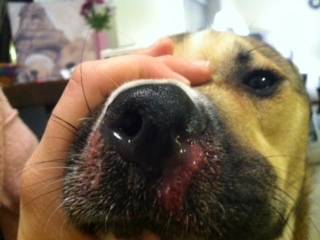
Lesions of DLE are almost always limited to the nose though they can extend up the bridge of the nose and sometimes affect the ears or inside the mouth. Early signs of the condition start with loss of nose pigment. A black nose will become bluish-grey or even pink. Scaling and cracking of the skin results and eventually, the nose will ulcerate. Exposure to sunshine makes the condition worse and there seems to be a genetic predisposition among the collie breeds (hence the term collie nose).

There are several other conditions that also cause crusts and/or erosions on the nose, so it is important to get the right diagnosis.

Some other conditions to rule out include:

  • Dermatophytosis (ringworm of the nose) 
  • Nasal pyoderma or Mucocutaneous pyoderma (Staph infection on the bridge of the nose)
  • Pemphigus foliaceus (a different immune-mediated skin disease)
  • Hyperkeratosis (a callusing disease of the nose) 
  • Nasal lymphoma (a type of cancer) 
  • VKH-like syndrome (another immune-mediated disease)

Diagnosis is by biopsy, which means a small piece of nose tissue must be harvested and sent to the laboratory for analysis. Most dogs will not hold still for this kind of procedure on their nose so sedation is generally needed to get proper samples.

Expect stitches afterward; some mild bleeding is possible. Diagnosis also involves some important historical information such as whether other body areas are involved, whether the condition is constant or comes and goes, and what medications have helped in the past. The pathologist will consider all of this information along with the microscopic appearance of the tissue.

Therapy Choices

Discoid lupus is a condition with many treatment options depending on the severity of symptoms.

Avoid Strong Sunlight

Since this condition is made worse by the sun, it is important to avoid intense sunlight. Sunscreens have been advocated but it is important to realize that there are toxic ingredients in many human sunscreens and anything you apply to a dog’s nose will be licked off. Pet sunscreens are expected to be licked.

For an FDA pet-approved sun protector endorsed by the Food and Drug Administration and endorsed by the American Animal Hospital Association and the SPCA, Other sun-shielding products of interest include nose shields and UV light filtering sun.

Topical Corticosteroids

The immune-suppressive effects of steroids are helpful in DLE but the systemic side effects are undesirable. Side effects are minimized by using topical steroids, typically starting twice a day and eventually dropping to an as-needed basis for maintenance after the nose is healed.

Tetracycline/Niacinamide

Tetracycline is an antibiotic with immunomodulating properties separate from its antibiotic properties. Niacinamide (also called nicotinamide) is a B vitamin supplement related to niacin (vitamin B3). The combination of these two medications has been found effective in 70% of dogs with DLE though it can take up to two months to see an effect. Treatment is given three times daily, which is relatively inconvenient for most people so alternatives have been sought. Doxycycline can be used twice a day and is frequently substituted for tetracycline.

Prednisone/Prednisolone

Oral steroids are often used to get the condition under control relatively quickly (within a month) and can be used after that as the sole therapy after the lowest effective maintenance dose is determined. Side effects include panting, excessive thirst and urination, and increased appetite. None of these effects are particularly desirable so often steroids are used in conjunction with one of the other therapies with the idea of dropping back the steroids when the second therapy can take over.

Oral Cyclosporine

Cylosporine is an immunomodulator that has found extensive use in veterinary medicine for a number of immune-mediated conditions including allergy. It can be used to control DLE but has some potential for side effects (mostly upset stomach) that might not be worthwhile for milder cases.

0.1% Tacrolimus (Protopic®)

This is a topical immunomodulator made for human use. It is very effective for use in DLE and does not cause problems if licked. Only small amounts of ointment are needed and the tube should last a long time which is good news since it is not inexpensive. The person applying the medication should wear gloves to avoid unneeded exposure.

If your dog is diagnosed with discoid lupus, discuss therapy options with your veterinarian. If your dog has a crusty or ulcerated nose, expect a biopsy to be needed to sort out the diagnosis properly before treatment can be prescribed.

LEARN MORE
7825805
July 24, 2024
grovecenter grovecenterAllDogs

Distemper in Dogs

Canine distemper virus, also referred to as CDV, canine morbillivirus, and hardpad disease, is a highly contagious disease affecting not just dogs but many animals. Distemper occurs worldwide, and dogs are the primary carriers of the disease.

Canine distemper virus can sometimes occur along with other respiratory infections, including bacterial diseases such as Bordetella bronchiseptica, and Streptococcus equi sub. zooepidemicus, fungal diseases like Mycoplasma spp., and viruses, including canine influenza virus, respiratory coronavirus, parainfluenza virus, adenovirus, and herpesvirus.

CDV is commonly spread through droplets or spray from the nose and mouth, such as through sneezing or coughing. However, infected dogs can shed the virus in nearly all bodily fluids. CDV is carried to local lymph nodes within 24 hours of contact with cells in the airways and lungs. Within a few days, the virus spreads to the spleen and abdominal lymph nodes, then spreads through the blood to cells of the gastrointestinal (GI) tract, urogenital tract, and central nervous system (CNS). The CNS tissues are typically infected by day eight or nine when neurological signs can be seen.

When the body’s immune system is triggered by exposure to disease, it reacts by producing antibodies. These antibodies are made up of proteins that attack the virus or bacteria causing the infection, hopefully protecting the body from getting sick. How strong your dog’s immune system is will play a big part in how sick they become after exposure.

If an animal’s immune system can be activated to begin making antibodies to fight CVD by the 14th day after exposure, the signs of the illness may not be noticed.

Dogs with mild to intermediate immune responses and delayed antibody titers (this means your dog may test negative on distemper tests but still have the infection) will develop clinical signs. While the virus can eventually be cleared as antibody levels rise, it may persist for extended periods in the eye, the central nervous system (including the brain, brainstem, and spinal cord), and some skin tissues (e.g., footpads).

By days nine to 14, dogs without good immune responses tend to experience severe clinical signs and can die suddenly.

Diagnosis

Diagnostic testing starts with a physical exam and includes bloodwork, antibody tests, cytology/histopathology of affected tissues, X-rays, cerebral spinal fluid analysis, eye exams, and PCR testing. Sometimes, unfortunately, a CDV diagnosis can’t be made prior to death, and a final diagnosis can be determined only after a veterinary pathologist has examined the body.

Animals Affected By Distemper

  •  cat
  •  jackal
  •  coyote
  •  hyena
  •  lion
  •  tiger
  •  leopard
  •  ferret
  •  fox
  •  weasel
  •  raccoon
  •  seal
  •  sea lion
  •  dolphin
  •  Giant panda
  •  certain primates

Health History and Signs

Dogs with mild distemper cases may exhibit a lack of energy, decreased appetite, fever, coughing, shortness of breath, and nasal discharge.

Dogs with more severe clinical disease may show fever, nasal discharge, conjunctivitis, coughing, difficulty breathing, vomiting, diarrhea, weight loss, and dehydration. Secondary bacterial infections can occur and can make the signs worse.

Your dog may also experience signs that the central nervous system is involved, such as ataxia (incoordination), limb weakness, myoclonus (involuntary rhythmic muscle twitching), stiff neck, and hyperesthesia (skin sensitivity). These signs can occur at the same time or up to three weeks after the onset of CVD and typically get worse over time. Older dogs that have some immunity are more likely to have no signs or just mild disease.

Eye problems include keratoconjunctivitis sicca (dry eye), anterior uveitis (inflammation of the front part of the eye), and damage to the retina (which allows the brain to process sight). The optic nerves, which carry information to the brain from each eye, may develop optic neuritis (swelling and inflammation), leading to blindness.

Skin problems in puppies include pustular dermatitis (blister-like sores that can be chronic), and the skin of the nose or toe pad can develop hyperkeratosis (skin thickening). When this happens in the toe pads, it is referred to as hardpad.

Infections in puppies can cause enamel hypoplasia (damage to the developing teeth). Cardiomyopathy, or enlargement of the heart muscles, which may lead to cardiac issues, is possible. Growing puppies have developed hypertrophic osteodystrophy, (when bones in the legs grow abnormally), causing pain.

Abortion and stillbirths can occur in pregnant dogs.

Ulcers of the mouth can occur, but they tend to be rare.

Clinical signs will vary, depending on which strain of the distemper virus is involved and how well your dog’s immune system responds to the infection. Older dogs that have some immunities are more likely to have no signs or just mild disease. Puppies and animals with no immunity are more likely to have severe clinical signs.

Treatment And Management

Currently, no specific treatments are available for CDV.

Supportive care can include fluid therapy, antibiotics for secondary bacterial infections, lung treatments for bronchopneumonia, anti-nausea and vomiting medications, steroids, anti-seizure medications, etc. Supportive care will vary, depending on which parts of your dog’s body have been affected.

Prognosis

The prognosis depends on the viral strain and your dog’s immune response. Older dogs with a good immune response may not have symptoms or a mild disease. Puppies or those with a poor immune response tend to develop more severe disease.

The most important factors affecting your dog’s prognosis are neurologic. The prognosis for dogs that have neurological problems (the brain, spinal cord, and other nerves are affected) is guarded to poor, and there is a 50% chance of death. Dogs that recover may be immune to reinfection for long periods and may be immune for life.

Prevention

Hospitalized dogs with CVD must be isolated from other dogs. Dogs usually shed the virus in urine, stool, saliva, nasal mucous, etc., for one to two weeks after the initial infection. Dogs with neurologic signs can shed the virus for longer periods of time. Extended quarantine may be necessary to prevent the spread to uninfected animals.

CDV is susceptible to many disinfectants. Talk with your veterinarian about how to best disinfect areas, dishes, and toys when your dog comes home. Good hygiene practices (e.g., handwashing, wearing gloves/protective clothing) are recommended when handling infected dogs.

Vaccination

Vaccination is crucial in preventing your dog from getting CDV. Current guidelines recommend vaccinating dogs at six to eight weeks of age and repeating the vaccine every three to four weeks until the puppy is 14 to 16 weeks of age. Dogs would then receive another vaccine one year after the initial series and then every three years afterward.

Distemper antibodies that puppies could have received from their mother’s milk (colostrum) in the first few feedings, and that could prevent the vaccinations from working, are typically gone by 12-14 weeks of age. In dogs that are more than 16 weeks old, the initial vaccination series can consist of two vaccines given two to four weeks apart.

The majority of dogs develop protective antibody levels within one to two weeks following vaccination.

Zoonotic Potential

A zoonotic is a disease that can be transferred from animals to humans. There is some concern that humans might be susceptible to the canine distemper virus because of recent CDV infections in primates. Because CDV is similar to the human measles virus, additional concern has been raised because of the decrease in routine measles vaccination by many humans. However, at the time of this writing, no evidence exists that CDV can infect humans.

LEARN MORE
4560789
July 24, 2024
grovecenter grovecenterAllDogs

Diaphragmatic Hernias in Dogs and Cats  

The diaphragm is a thin muscle that separates the organs in the chest (heart, lungs) from the organs in the abdomen. It is also involved in breathing: when the diaphragm contracts, it helps pull air into the lungs.

A hernia develops when an organ pushes through a weak spot in the muscle around it, creating a hole.

Diaphragmatic hernias result from abdominal organs (e.g. liver, stomach, intestines) being pushed through a hole in the diaphragm. That hole is the hernia. The hole can be caused by trauma, such as being hit by a car, or it can be congenital, meaning that the pet was born with it.

Peritoneopericardial Diaphragmatic Hernia

A certain type of defect that has a big name – peritoneopericardial diaphragmatic hernia – is not nearly as complicated as it sounds. As we know, the diaphragm is a muscle that runs between the chest and abdomen. It helps us breathe by affecting the communication between the double-walled sac that contains the heart and the membrane that lines the belly. The heart sac is called the pericardium and the membrane is called the peritoneum. What happens with this type of hernia is that abdominal organs can move through the hole in the diaphragm directly into the heart sac. Obviously, abdominal organs are not supposed to be in the heart sac. Usually cats and dogs are born with this type of hernia, but trauma can also cause it.

Diaphragmatic Hernia Symptoms

When the abdominal organs have moved through the hole in the diaphragm, they become trapped and lose their blood supply. Misplaced organs in the chest can also crowd the lungs, or in the case of peritoneopericardial diaphragmatic hernias they can crowd the heart, preventing pets from breathing normally or letting the heartbeat correctly. Symptoms can include coughing, poor appetite, laying around more, trouble breathing or taking rapid and short breaths, fever, and collapse. In some cases, pets can live for many years without any symptoms, especially if the abdominal organs are able to move easily in and out of the chest or the hole is too small to allow movement through it. Such hernias may be found unexpectedly while addressing another problem.

Diagnosing a Hernia

For diagnosis, the veterinarian will perform a thorough physical examination. Sometimes a veterinarian will become suspicious when they hear tummy grumbles in the chest instead of in the belly. X-rays of hernias often show abdominal contents in the chest, or unusual gas patterns or shadows. If the X-rays don’t show an obvious answer, the veterinarian may give an ultrasound or they may choose a barium series, in which they feed the pet a type of medicine called barium to highlight the stomach and intestines on additional X-rays.

Treatment

Treatment requires surgery to fix the hole in the diaphragm (and heart for peritoneopericardial diaphragmatic hernias) and move the abdominal organs back into the belly. If the organs are severely damaged from being trapped in the chest, surgery to fix the damage or remove the entire organ may also be necessary. 

Unfortunately, diaphragmatic hernia repair carries some risk because the diaphragm helps us breathe. Because of this risk, some veterinarians will avoid surgery in pets that do not show symptoms. The issue with waiting until symptoms occur to perform a risky surgery means that organ damage may be irreparable by the time surgery is performed, so it is important to fully discuss the pros and cons of a wait-and-see approach with your veterinarian. 

For pets that do undergo surgical repair, once the pet has fully recovered and healed from surgery, they are unlikely to experience future issues.

LEARN MORE
  • 1
  • …
  • 7
  • 8
  • 9
  • 10
  • 11
  • …
  • 16
CATEGORIES
  • All
  • Cats
  • Dogs
  • Small Mammals

Recent Posts

  • Fur Mowing in Cats  
  • Plasma Cell Stomatitis in Cats 
  • Mealtime Enrichment for Cats
  • Mammary Tumors in Cats
  • Notoedric Mange in Cats (Feline Scabies)  
TAGS
Antibiotics Aural Hematoma Bloat Cannabis Toxicity cat and dogs cats cats & dogs cats and dogs Cellular Delinquent Clinical Signs Corticosteroids Cyclosporine Dental Disease Diagnosis Diarrhea dog dog & cats dogs dogs & cats Dogs and Cats Fluids gastrointestinal Glomerulonephritis Guinea Pigs Hepatic Necrosis Hyperplasia Keratoconjunctivitis Sicca mammals Milbemycin Oxime Moxidectin muzzle Nutrition pets Prevention Prognosis rabbits rats Small Mammals Symptoms Trilostane veterinarian veterinarians Vomiting and diarrhea Whipworm Infection Workups for Itchy

Copyright © 2021 Pawscare by WebGeniusLab. All Rights Reserved