 grovecenter grovecenter
Anaplasmosis is a tick-borne disease. Two forms of anaplasmosis are known: granulocytic anaplasmosis and infectious cyclic thrombocytopenia. Granulocytic anaplasmosis is more common. A dog can have both infections at the same time.
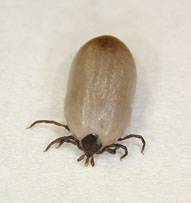
Transmission is via a tick vector (a vector is an organism that can passively carry and transmit disease). A tick needs to be attached for a minimum of 24 hours to transmit the organism. Incubation time is about 1 to 2 weeks. Reservoir hosts (a source of infection and possible reinfection that sustains a parasite) are usually small rodents, deer, etc.
Granulocytic Anaplasmosis
Granulocytic anaplasmosis is an infection of white blood cells. It is caused by Anaplasma phagocytophilum.
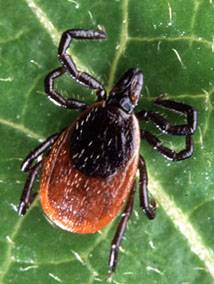
Anaplasma phagocytophilum is transmitted via a bite from an Ixodes tick. Ixodes scapularis (often commonly called the deer tick, blacklegged tick, or bear tick) is the primary vector in the Midwest and Northeastern United States; Ixodes pacificus (commonly called the Western blacklegged tick) is the primary vector in the Western United States; and Ixodes ricinus (commonly called the castor bean tick) is the primary vector in Europe.
Granulocytic anaplasmosis is seen most commonly in dogs in the Northeastern, upper Midwest, and coastal Western United States. Since granulocytic anaplasmosis requires the Ixodes tick as its vector, seasonal outbreaks of the disease can occur from spring through summer. Clinical disease is most often seen in adult dogs, and golden retrievers and Labrador retrievers appear to get it more than other breeds.
A. phagocytophilum can infect a wide range of mammals. In addition to dogs, the clinical disease has been documented in cats, cattle, sheep, goats, llamas, and humans.
Because of common vectors and rodent reservoirs, co-infection with Borrelia burgdorferi can be seen and can lead to more severe illness.
Clinical Signs and Prognosis
Many dogs exposed to granulocytic anaplasmosis do not get obvious signs of the condition. If signs are seen, they most often occur during the acute phase of infection, which is 1 to 2 weeks after transmission. The signs may be vague and include lethargy, lack of appetite, and fever. Some dogs may become lame because their joints are painful. Less common signs include vomiting, diarrhea, coughing, and difficulty breathing.
The prognosis for granulocytic anaplasmosis is quite good.
Infectious Cyclic Thrombocytopenia
Infectious cyclic thrombocytopenia is an infection of blood platelets. It is caused by Anaplasma platys.
Anaplasma platys transmission has not been fully determined, although tick vectors are probable. The organism has been found in Rhipicephalus and Dermacentor ticks.
Clinical Signs and Prognosis
Signs include lack of appetite, lethargy, fever, bruising on the gums and stomach, nosebleeds, and weight loss.
Many dogs with infectious cyclic thrombocytopenia have only mild clinical disease, so the prognosis is generally good.
Diagnosis
Blood tests and urinalysis are the main diagnostic tools for anaplasmosis. The blood tests usually include a complete blood count, blood smear evaluation, biochemistry panel, serology to look for antibodies and polymerase chain reaction (PCR) assays. If the dog is lame, radiographs and analysis of joint fluid are usually included.
Treatment
Treatment includes antibiotics, pain relievers, and anti-inflammatory drugs.
Doxycycline is the most commonly used antibiotic. Most dogs respond within one to two days after they first take doxycycline. Other antibiotic options are tetracycline or minocycline.
Analgesia and anti-inflammatory drugs may be needed for joint pain. Let your veterinarian choose the anti-inflammatory, rather than choosing and dosing it yourself because dogs metabolize these medicines differently than humans do. Your veterinarian will have the most appropriate medication.
Disease Prevention
Because there is no vaccine for anaplasmosis, appropriate tick control is critical to preventing this disease. Preventing ticks from attaching and removing any ticks from your pet within a few hours of attachment is vital.
Note: Dogs with anaplasmosis may also be infected with other tick-borne organisms (Ehrlichia, Borrelia, etc.), so infected dogs should be screened for those diseases also.