Tag: dogs

4345567

Kennel Cough in Dogs

Kennel cough is an infectious bronchitis of dogs characterized by a harsh, hacking cough that most people describe as sounding like “something stuck in my dog’s throat.” This bronchitis may not last long and be mild enough not to need any treatment, or it may progress to life-threatening pneumonia depending on which infectious agents are involved and the patient’s immunological strength. 

An uncomplicated kennel cough runs a week or two and entails frequent fits of coughing in a patient who otherwise feels active and normal. Uncomplicated cases do not involve fever or listlessness, just lots of coughing.

Numerous organisms (some of which may be prevented by vaccination) may be involved in a case of kennel cough; it would be unusual for only one agent to be involved.

Infections with the following organisms frequently occur concurrently to create a case of kennel cough:

  1. Bordetella bronchiseptica (bacteria)
  2. Parainfluenza virus
  3. Adenovirus type 2
  4. Canine distemper virus
  5. Canine influenza virus
  6. Canine herpesvirus (very young puppies)
  7. Mycoplasma canis (a single-cell organism that is neither virus nor bacterium)
  8. Canine reovirus
  9. Canine respiratory coronavirus.

The classical combination for uncomplicated kennel cough is infection with parainfluenza or adenovirus type 2 in combination with Bordetella bronchiseptica

Infections involving the distemper virus, Mycoplasma species, or canine influenza are more likely to progress to pneumonia, and pneumonia can readily result in any dog or puppy that is sufficiently young, stressed, or debilitated.

Not sure what a Coughing Dog sounds like?

Dogs can make assorted respiratory sounds. Usually, a cough is recognizable but it is important to be aware of another sound called a reverse sneeze. The reverse sneeze is often mistaken for a cough, a choking fit, sneezing, retching, or even for some sort of respiratory distress. The reverse sneeze is a post-nasal drip or tickle in the throat. It is considered normal, especially for small dogs, and only requires attention if it is felt to be “excessive”. The point here is to know a cough when you hear one. A cough can be dry or productive, meaning it is followed by a gag, swallowing motion, and the production of foamy mucus (not to be confused with vomiting). Here are some videos that might help.

Coughing Dog (with Productive Cough): Dixon has kennel cough

Note: We have received a great deal of emails from people who have viewed this video, compared it to what their own dog is doing, and concluded their dog has kennel cough. This video is meant to demonstrate coughing in general. It is important to note that there are many causes of coughing and the nature of the cough does not generally reflect on its cause.

Reverse Sneezing Dog: Maggie reverse sneezes

How Infection Occurs

An infected dog sheds infectious bacteria and/or viruses in respiratory secretions. These secretions become aerosolized and float in the air where they can be inhaled by a healthy dog. Obviously, crowded housing and suboptimal ventilation play important roles in the likelihood of transmission but organisms may also be transmitted on toys, food bowls, or other objects.

The normal respiratory tract has substantial safeguards against invading infectious agents. Probably the most important of these is what is called the mucociliary escalator. This safeguard consists of tiny hair-like structures called cilia that protrude from the cells lining the respiratory tract and extend into a coat of mucus above them.
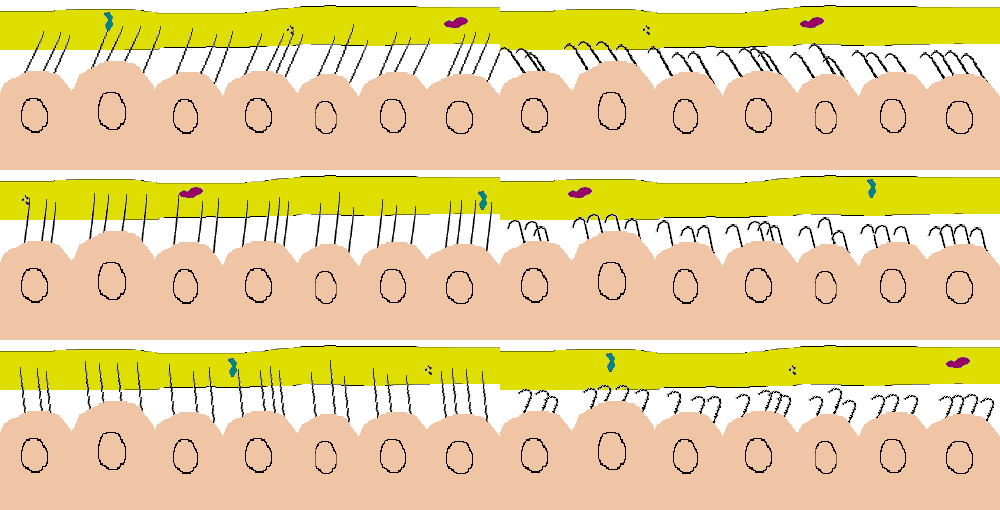
The cilia beat in a coordinated fashion through the lower and more watery mucus layer called the sol. A thicker mucus layer called the gel floats on top of the sol. Debris, including infectious agents, gets trapped in the sticky gel and the cilia move them upward toward the throat where the collection of debris and mucus may be coughed up and/or swallowed.

The mucociliary escalator is damaged by the following:

  1. shipping stress
  2. crowding stress
  3. heavy dust exposure
  4. cigarette smoke exposure
  5. infectious agents (as listed previously)
  6. cold temperature
  7. poor ventilation.

Without this, a fully functional mucociliary escalator or invading bacteria, especially Bordetella bronchiseptica, the chief agent of kennel cough, may simply march down the airways unimpeded.

Bordetella bronchiseptica organisms have some tricks of their own as well:

  • They can bind directly to cilia, rendering them unable to function within 3 hours of first contact.
  • They secrete substances that disable the immune cells normally responsible for consuming and destroying bacteria.

Because it is common for Bordetella to be accompanied by at least one other infectious agent (such as one of the viruses listed below), kennel cough is a complex of infections rather than infection by one agent.

Classically, dogs get infected when they are kept in a crowded situation with poor air circulation and lots of warm air (i.e., a boarding kennel, vaccination clinic, obedience class, local park, animal shelter, animal hospital waiting room, or grooming parlor). In reality, most causes of coughing that begin acutely in dogs are due to infectious causes and usually represent some form of kennel cough.

The incubation period is 2 to 14 days. Dogs are typically sick for 1 to 2 weeks. Infected dogs shed Bordetella organisms for 1 to 3 months following infection.

How is a Diagnosis Made?

A coughing dog that has a poor appetite, fever, and/or listlessness should be evaluated for pneumonia.

Usually, the history of exposure to a crowd of dogs within the proper time frame, plus typical examination findings (coughing dog that otherwise feels well) is adequate to make the diagnosis. Radiographs show bronchitis and are particularly helpful in determining if there is a complicated pneumonia.

Recently, PCR (polymerase chain reaction) panels have become available in many reference laboratories. Using technology to amplify the presence of DNA in a swab, the lab is able to test for most of the kennel cough infectious agents listed. This knowledge is helpful in guiding therapy and understanding expectations.

How is Kennel Cough Treated?

An uncomplicated case of kennel cough will go away by itself. Cough suppressants can improve patient comfort while the infection is resolving. The dog should be clearly improved, if not recovered, after about a week. That said, several infectious agents in the kennel cough complex are more intense and can cause minor bronchitis to progress to pneumonia, which is a potentially life-threatening disease. Given this possibility, antibiotics are frequently prescribed to kennel cough patients to prevent or curtail pneumonia before it warrants hospitalization.

It is important to distinguish an uncomplicated case of kennel cough from one complicated by pneumonia for obvious reasons. The uncomplicated cases will not have a fever or appetite loss, nor will they be listless. As mentioned, they will seem normal except for coughing. Dogs with pneumonia appear sick.

Prevention through Vaccination

Vaccination is only available for Bordetella bronchiseptica, canine adenovirus type 2, canine parainfluenza virus, canine distemper, and canine influenza. Infections with other members of the kennel cough complex cannot be prevented. Vaccine against adenovirus type 2, parainfluenza, and canine distemper is generally included in the basic puppy series and subsequent boosters (the DHPP or distemper-parvo shot).
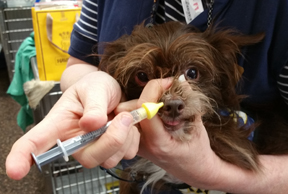
For Bordetella bronchiseptica, vaccination can either be given as a separate injection or as a nasal immunization. There is some controversy regarding which method provides a better immunization or if a combination of both formats is best.

Nasal Vaccine

Intranasal vaccination may be given as early as 3 weeks of age and immunity generally lasts 12 to 13 months. The advantage is that local immunity is stimulated right at the site where the natural infection would try to take hold.

It takes four days to generate a solid immune response after intranasal vaccination, so it is best if vaccination is given at least four days prior to the exposure. Some dogs will have some sneezing or nasal discharge in the week following intranasal vaccination; this should clear up on its own. As a general rule, nasal vaccination provides faster immunity than injectable vaccination.

Nasal vaccines for Bordetella generally also include a vaccine against parainfluenza virus and some also include a vaccine against adenovirus type 2.

Oral Vaccine

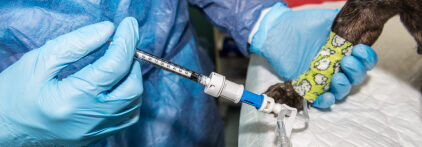
An oral vaccine is available for Bordetella bronchiseptica (but not adenovirus or parainfluenza). The idea is that it is easier to give the vaccine with a syringe in the mouth – just inside the cheek – and there is no concern about sneezing out some of the vaccine. The oral vaccine can be given to puppies as young as 8 weeks of age. The vaccine is given annually.

Injectable Vaccine

Injectable vaccination is a good choice for aggressive dogs who may bite if their muzzle is approached. For puppies, injectable vaccination provides good systemic immunity as long as two doses are given (approximately one month apart) after age 4 months. Boosters are generally given annually. Some dogs experience a small lump under the skin at the injection site. This should resolve without treatment.

Vaccination is not useful in a dog already incubating kennel cough.

Bordetella bronchiseptica vaccination may not prevent infection. In some cases, vaccination minimizes symptoms of illness but does not entirely prevent infection. This is true whether nasal, oral or injectable vaccine is used.

Dogs that have recovered from Bordetella bronchiseptica are typically immune to reinfection for 6 to 12 months.

What if Kennel Cough doesn’t Improve?

As previously noted, this infection is generally self-limiting. It should be at least improved partially after one week of treatment. If no improvement is seen after that week, a re-check exam (possibly including chest radiographs) would be a good idea. Failure of kennel cough to resolve suggests an underlying condition. Kennel cough can activate a previously asymptomatic collapsing trachea or the condition may have progressed to pneumonia. Alternatively, there may be another disease afoot entirely such as non-infectious bronchitis, congestive heart failure, or some other condition that causes coughing.

If you have questions about a coughing dog, do not hesitate to bring them to your veterinarian.
715962

Jerky Dog Treats from China may be Associated with Kidney Issues

The chicken jerky treats made in China have been associated with kidney disease for a few years. Ever since the association between these products and illness was made in 2007, the U.S. Food and Drug Administration (FDA) has cautioned consumers to not give these treats to their pets.

While the treats are typically referred to as jerky, they may also be labeled tenders or strips.

Signs may occur within hours or days after a dog eats the treat. Signs include decreased appetite; lethargy; vomiting; diarrhea (sometimes bloody); and increased thirst and urination. Contact your veterinarian if the signs last for more than 24 hours, or if they seem severe.

If your dog is vomiting, lethargic, or does not want to eat, and has recently eaten these jerky treats, it does not automatically mean your dog has kidney disease from them.

Test results on affected dogs have shown kidney problems. The kidney problems are often similar to Fanconi disease. (Fanconi disease is an inherited disease in which electrolytes and nutrients are lost in urine.)  Although many affected dogs can be treated and get well, some jerky treat-related deaths have been reported.

In 2007, affected dogs were seen in Australia and the United States. That original outbreak ended in 2009 after all the affected treats had been pulled from the market. However, similar cases have been seen since then in the United States and Canada. Unfortunately, the definitive cause of the problem is still unknown.

The FDA has prepared a “Caution” statement.

In June 2011, the Canadian government sent out notices about the about jerky treats causing Fanconi-like signs in Canadian dogs; in March 2012, the American Veterinary Medical Association sent out a new alert about Canadian cases. In May 2012, the FDA updated their public information on their concerns about chicken jerky.

The FDA continues to investigate complaints and test products eaten by affected dogs. No specific brands have been recalled as of this time because there are only complaints, not evidence. However, there are a number of dogs with some level of kidney illness who have eaten the China-produced chicken jerky treats, so pet owners should be cautious about giving those.

Anecdotal reports from veterinarians indicate similar concerns about sweet potato pet treats made in China. Although no evidence is available that these sweet potato treats cause kidney issues similar to those related to chicken jerky treats, pet owners should be aware of the possibility.

If your pet has the signs listed above, and has eaten chicken jerky or sweet potato treats made in China, contact your veterinarian. Save the treats and packaging so that they can be tested by the FDA if they are suspected to cause the illness.

2950827

Epulis Tumor in Dogs’ Mouths

Epulides/epuli (plural of epulis) are common benign growths found in dogs’ mouths.

There are three types:

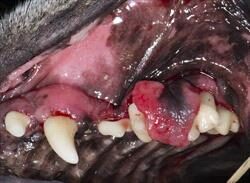
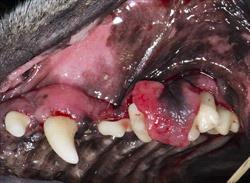
Fibromatous epulis appears on a stalk of tissue, much like a mushroom, or as an unmoving mass. It is usually pink in color and has a non-ulcerated smooth surface. It may appear as an enlargement on the gum tissue near incisor, canine, or premolar teeth.

Peripheral odontogenic fibroma (previously called ossifying epulides) is similar in appearance to a fibromatous epulis as it also has a pink smooth surface, but it has an osteoid matrix; it’s made up of early-stage bone cells known as osteoblasts.

Acanthomatous ameloblastoma (previously called acanthomatous epulis) is classified as benign but it tends to invade adjacent bone and it is locally aggressive. It can be pre-cancerous. However, it does not spread to other regions of the body. This tumor often has a rough cauliflower-like, ulcerated surface. It occurs most commonly in the incisor and canine tooth area of the lower and upper jaw. It occurs less commonly near the fourth upper premolar in the upper jaw and the lower jaw’s first molar.

Statistics

Epulis is the fourth most common tumor found in the canine mouth. It is very rare in cats.

This tumor is more common in brachycephalic breeds. Brachycephalic breeds are those that have a very short nose and muzzle. Boxers and English Bulldogs are brachycephalic dog breeds, for example.

Middle-aged and older dogs get epulides more often than young dogs do. The average age of an affected dog is seven years old.

The overgrowths are generally a reaction to trauma, such as a tooth rubbing on the gum in brachycephalic mouths, for example.

Clinical Signs

Signs include a lump on the gums, drooling, halitosis, facial deformity, and other signs of mouth injury. The visible lump is the most common sign.

Diagnosis

Diagnosis begins with a visual examination of the mouth.

Radiographs of the head can determine how invasive the tumor is.

Biopsy and histopathological (microscopic) examination of the lump will determine which type of epulis is present.

Treatment

Fibromatous epulis: Treatment involves removing the mass, extracting the involved tooth, and thoroughly scraping the tooth socket clean.

Peripheral odontogenic fibroma: Treatment involves removing the mass, extracting the involved tooth, and thoroughly scraping the tooth socket clean. This surgery can be more difficult than that for fibromatous epulis.

Acanthomatous ameloblastoma: Treatment is surgical removal, including removing the affected areas of the upper or lower jaw (maxillectomy or mandibulectomy).

In some inoperable epulis cases, radiation therapy may help.

Aftercare

After surgery, your pet may need a softer diet. Your veterinarian will advise you about this.

Prognosis

The less tissue involved, the better. If a large section of the jaw has to be removed, it can affect the dog’s quality of life.

The oral tumors don’t usually recur if the entire tumor has been removed. However, some can. Checking your dog’s mouth frequently will help you spot any tumor recurrence or new tumors.

6726721

Enrichment for Senior Dogs

What is Enrichment and Why is it Important for Senior Dogs?

Enrichment is offering experiences and opportunities to animals to encourage healthy natural behaviors and enhance physical and emotional welfare. Enrichment is often broken into two broad categories: environmental and social.  Environmental enrichment alters the animal’s space either by making changes to the environment itself or by adding novel items such as toys, feeding puzzles, exercise, and things to smell and explore. Social enrichment involves offering positive social experiences for the animal with people or other animals.

Enrichment is important for all species of animals, including people! Sometimes we enrich our lives and our animal’s life without even noticing, such as going for walks outside or eating a yummy treat. Sometimes enrichment takes planning, such as a vacation or assembling food puzzles for your dog. Understand that what is considered enrichment should be from your dog’s perspective and each dog needs to be able to choose if they want to participate or interact with the enrichment item or not. We can entice dogs to participate by offering their favorite treats or petting in their favorite spots but ultimately it will still be their choice to interact or not.

Dogs can have several age-related diseases that can result in behavior changes and welfare concerns, such as arthritis, dental disease, cancer, diabetes, and other endocrine diseases. Additionally, dogs can develop canine cognitive dysfunction, a syndrome that is similar to Alzheimer’s disease in humans.  Pain is more likely to occur in senior dogs with age-related diseases, leading to decreased activity, increased anxiety, restlessness, and occasionally aggression. Due to these age-related challenges, we should find ways to enrich their lives and help manage these conditions. While senior dogs may not be able to participate in much physical enrichment, such as long walks, other forms can be mentally stimulating and tiring.

If you have noticed behavioral changes in your senior dog, work with your veterinarian to determine if there is an underlying medical condition that may be causing the behavior. You should also discuss your dog’s weight and nutrition with your veterinarian to keep them at a healthy weight and as comfortable as possible.

By working with your veterinarian to manage age-related health conditions and providing individual and age-appropriate enrichment, you can enhance your pet’s quality of life and improve your bond with your aging dog.

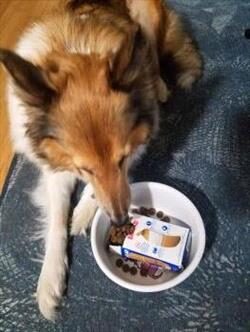
This 13-year old dog is eating her breakfast from a small box filled with kibble.
Photo by VIN.

Enrichment Ideas for Senior Dogs

Shorter walks outside  There is nothing like the great outdoors! Physical exercise, opportunities for social interaction, and new things to see and smell! Your walks may need to be a lot shorter than they were in younger years, but they are still beneficial. Just make sure to monitor how your pet is handling the walk and not to push your dog too far. Even sitting outside or taking a short walk focused on sniffing (sniff walk) can be enriching.

  1. Puzzle Feeders – There are many different puzzle feeders available for dogs. You can shop online, in pet stores, or make them yourself! You can use some or all of your pet’s regular diet in the puzzle feeders, and you can also use special treats. For a simple DIY puzzle feeder, put some kibble in a plastic bottle without the lid, or save toilet paper or paper towel tubes and put kibble inside with the ends folded. Just make sure your dog doesn’t try to eat the bottle or cardboard! Another simple idea is to feed your dog from a muffin tin; you can even put tennis balls on top of the muffin tin to make it more challenging. Sometimes, you can freeze food in puzzle feeders to make them last longer.
  2. Snuffle Mats – Snuffle mats look like extra shaggy rugs. You can purchase them or you can make them yourself. They can be used as a food puzzle or you can use them with scents. If you are adding scent, make sure that it is safe for dogs. Certain essential oils such as cinnamon, tea tree, peppermint, and wintergreen are not safe. Scents such as coconut, vanilla, ginger, and valerian are safe. Additionally, some dogs respond to catnip, and it can help them relax. Snuffle mats encourage sniffing and encourage normal foraging behaviors.
  3. Scavenger Hunts – Hide treats, food items, and toys around the house or yard. Some dogs enjoy playing hide and seek with their favorite toys. Hide items in safe places. Hide items near places the dog frequents, such as by their bed or water bowl, and then expand from there.  
  4. Positive Reinforcement Training  An old dog absolutely can learn new tricks! Positive reinforcement training will improve your bond with your pet at any life stage, and senior dogs are no exception. Positive reinforcement is rewarding your dog, usually with a food treat, for doing what you ask. Clicker training is a great way to use positive reinforcement to train your dog. You can teach useful behaviors such as sit, lay down, crate, and stay, or you can teach fun behaviors to your dog such as shake, target, speak, fetch. Positive reinforcement training is a great tool for senior dogs because it is mentally stimulating but does not require physical exertion.
  5. Socialize with other Senior Dogs or Calm dogs – If your dog enjoys the company of other dogs, arrange for play dates with other calm or senior dogs. Make sure that your dog enjoys this experience by monitoring their body language. Your dog should choose to engage with the other dogs, have loose body language, and be relaxed.
7644496

What To Do When Your Dog’s Toenail Trims Don’t Go as Planned

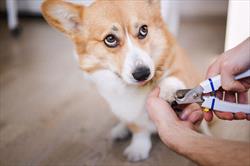
When your dog’s nails get too long, it can affect their health and overall comfort. Overgrown nails are more prone to nail breakage and injury. Over time, too-long nails can keep your dog from placing their feet correctly as they walk or run, and broken nails can get snagged in carpet. 

You’ve watched the staff at your veterinarian’s office trim your dog’s (or cat’s) nails many times. Your well-trained dog has no problem with nail clippers and is always cooperative with the technicians, so how hard can this be?

If you aren’t planning to visit the veterinarian for any other reason, you think, why go in just for a quick nail trim?

So, you have corralled the needed tools for the job, which in your mind are:

     1.  your dog; and
     2.  the nail clippers.

As expected, your always-calm dog sniffs the clippers and holds their paw up for you to begin. Clearly, this is not a big deal. You grasp the paw in your hand and gently expose the first toenail by squeezing a bit. You put the trimmer around the nail and squeeze the handles. With a satisfying click, you see the nail trimming pop away, and at the very same moment, your sweet dog lets out a sharp yelp, frightening you both. And there is blood.

Blood? Why is there blood? That never happens when the veterinarian technician does the nail trimming. 

Your very good dog is still sitting there, looking at you with what you think is betrayed reproach. What now? Panic? No.

Nail Trim Essentials

Let’s back up. 

Let’s return to the last time the veterinary technician trimmed your dog’s nails. This time, really watch the process and ask questions, such as, how short should you trim the nails?

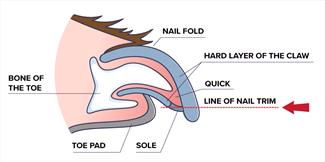
If you aren’t familiar with the term “quick”, it refers to the blood and nerve-filled nail bed. If nails are clipped too short, the quick is nicked, and the nail will bleed. If your dog has fairly clear nails, you can see the quick. If there is an assortment of clear and dark nails, you can judge where the quick might be on the dark ones by looking at a clear nail.

There is a theory that when nails are trimmed or broken, the quick recedes further up the nail. Therefore the“quick line” may not be the same on every nail. If your dog or cat has a nail that seems ragged or shorter than the rest or has a bit of dried blood on it, this nail may have been torn previously. Keep in mind that this nail may not need as much trimming as the longer ones. However, it’s a good idea to clean it up to avoid further tearing.

So, you feel more confident trimming your dog or cat’s nails, right?

Handling “Quicked” Nails:

But now you know that things can happen, and you have revised your list of tools. You gather: 

  1. your dog (or cat);
  2. nail clippers;
  3. clean towel;
  4. a paper plate or small dish; and
  5. a coagulant to help stop any bleeding.

Over-the-counter coagulants to stop nail bleeding are readily available. Styptic powder is the most common substance used for this type of first aid. Made from natural ingredients, including potassium aluminum sulfate (alum) and diatomaceous earth, styptic powder can be used on minor cuts and toenails. It’s safe for use on pets.

You can find styptic powder at any pet supply store. Your veterinarian probably carries it if the clinic sells over-the-counter products. Corn starch will also stop bleeding effectively, and baking powder or flour can be used as a second choice. Keep styptic powder or one of these products on hand with your nail-clipping supplies.

If a toenail does start to bleed, press the clean towel against the nail and hold it firmly for a few moments. Remove the towel and press the bleeding nail into some coagulant powder you’ve already prepared by pouring it onto the paper towel or dish. Use your fingers to pinch some powder to pack into the nail. Continue to hold the towel firmly around the toe.

You could also use a cotton-tipped applicator with styptic powder on the end and hold that firmly to the toenail.

A few minutes of this will likely stop the bleeding, but if it doesn’t, continue the pressure with the towel and reapply the styptic powder.

If your pet isn’t exactly the quiet dog described here, have someone help you by holding your dog or cat. A trusted pet holder can help calm an upset animal and keep the affected foot still, helping to avoid a mess if your pet flings their paw around. Make sure you have trained your pet prior to beginning nail trims. Food distractions may also be helpful.

While uncomfortable for your pet, a toenail trimmed too short and bleeding is not necessarily an emergency. You will become more confident trimming your pet’s nails and less likely to nip the quick the more times you do it. If the bleeding continues for longer than 10 minutes or is very heavy, call your veterinarian.

On rare occasions, your dog may need to be seen by a veterinarian to assess why a nail is bleeding excessively, and sometimes an injured or broken toenail must be removed in order to heal properly.

4127599

Xylitol Poisoning in Dogs

Sugar substitutes are big business. Less sugar can mean weight loss, improved health, diabetic control, and even reduced tooth decay. The quest for products that can sweeten and cook like sugar is ongoing. Xylitol (also known as birch sugar) is a common sugar substitute, especially when it comes to sugarless gum, toothpaste, and more recently certain brands of peanut butter for bodybuilders. It is worth noting that even though birch sugar sounds natural and xylitol sounds like a chemical both are toxic to your dog. Not only does xylitol offer sweetness with 40% of the calories of sugar, but it also has antibacterial properties in the mouth so it can reduce periodontal disease and has been found to have far-reaching health benefits in other areas of the body. Xylitol may help with osteoporosis, prevent ear and throat infections, and may reduce the risk of endometriosis, uterine fibroids, and even breast cancer.

Sounds wonderful and maybe it is if you are a human. If you are a dog, xylitol (birch sugar) is potentially lethal. In this video, the FDA says deaths have occurred in as little as one hour.

Two Deadly Effects of Xylitol

Hypoglycemia


In dogs, the pancreas confuses xylitol with real sugar and releases insulin to store the “sugar.” Even worse, the canine pancreas releases 3-7 times the amount of insulin that it would release to address a similar amount of actual sugar. Blood sugar levels plummet resulting in weakness, disorientation, tremors, and potential seizures.

It does not take many sticks of gum to poison a dog, especially a small dog (see below for toxic doses). Symptoms typically begin within 30 minutes and can last for more than 12 hours but, since xylitol can be absorbed into the body slowly, symptoms may not begin until 12 hours after the xylitol was eaten. Symptoms begin with vomiting and then progress to incoordination, collapse, and seizures.

Hepatic Necrosis

The other reaction associated with xylitol in dogs is the destruction of liver tissue. How this happens remains unknown but the doses of xylitol required to produce this effect are much higher than the hypoglycemic doses described above. Signs take longer to show up (typically 8-12 hours) and surprisingly not all dogs who experience hepatic necrosis will have had hypoglycemia first. A lucky dog experiences only temporary illness but alternatively, a complete and acute liver failure can result in death. Internal hemorrhage and the inability of blood to clot are commonly involved.

How Much Xylitol is Dangerous?

The hypoglycemic dose of xylitol for dogs is considered to be approximately 0.075 – 0.1 grams per kilogram of body weight (about 0.03 – 0.045 grams per pound). Chewing gum pieces have surprisingly variable amounts of xylitol depending on their flavor. (For example, most flavors of Orbit gum have about 0.009 grams of xylitol but their strawberry mint flavor has over 0.3 grams per piece). A small dog can easily be poisoned by a single stick of gum depending on the gum, how much the dog ate, and the size of the dog. It is important for you to bring the packaging for the xylitol product in question to the veterinarian’s office so that the amount of xylitol consumed can be estimated.

Treatment

Ideally, the patient can be seen quickly (within 30 minutes) and can be made to vomit the gum or candy. Beyond this, a sugar IV drip is prudent for a good 24 hours. Liver enzyme and blood clotting tests are monitored for two to three days. Blood levels of potassium are ideally monitored as well. Elevated blood phosphorus levels often bode poorly, and patients that develop hepatic necrosis usually do not survive.

What about Cats?

Xylitol toxicity appears to be limited to dogs. Cats have no significant ill-effects from xylitol.

What about Xylitol-Containing Mouthwashes for Pets?

The oral health benefits of xylitol do seem to hold true for dogs if appropriately low doses of xylitol are used.

Several products have been marketed for canine oral care, specifically for dogs that do not tolerate other methods of dental home care. These products are mixed in drinking water to provide antibacterial benefits. Aquadent®, for example, comes in a 500 cc (a half liter) bottle that contains a total of 2.5 grams of xylitol. It also comes in small packets to mix in drinking water. Similarly, Breathalyser Plus® from Ceva is similarly packaged. If you follow the dosing instructions on the bottle or packet, there should be no problems.

Trouble could occur if there are animals of different sizes drinking from the same water bowl or if a dog is on medication or has a disease that causes excessive water consumption.  One should dose for the smallest animal to use the bowl to be sure overdose is not possible. Alternatively, a dental water additive that does not contain any xylitol can be used. Ask your vet what he or she recommends. A dog finding the bottle and chewing it up, drinking a substantial quantity of the undiluted product could easily be poisoned, depending on the dog’s size.

5908508

How Does Anesthesia Work?

Pet owners may shy away from surgical or dentistry procedures for their pets because they fear the risks of anesthesia. While it’s a good to consider the risks and benefits of general anesthesia for elective procedures, anesthesia is now safer than ever. If the proposed procedure will improve your pet’s quality of life, then fear of anesthesia shouldn’t prevent you from moving forward.

This was not always the case. In the 40s, 50s and 60s — well over half a century ago — death from anesthesia was about 1 in 400 for dogs and 1 in 260 for cats. These numbers are from referral hospitals, which are generally anesthetizing sicker patients, and that could increase the numbers over what you would expect to see in healthier pets in a general practice. There is a study from the early 2000s in the U.K. that followed mortality in a variety of practices (from general practices all the way to referral hospitals) and included dogs, cats, birds and pocket pets; in it, they found a death rate from 1 in 588 for dogs and 1 in 416 for cats. The risk has continued to drop, so that today those fatality numbers are around 1.7 in 1,000 dogs and 2.4 in 1,000 cats.

Although only statistics for dogs and cats have been created, the same improvement in risk applies to other pets such as rabbits, rats, hedgehogs, bearded dragons, and even goldfish as equipment and teaching new methods of anesthesia have improved over the years.

How does it work?

General anesthesia is given through an IV or an inhaled gas, or sometimes a combination of the two. It is similar, on a smaller scale, to a medically-induced coma. Oftentimes a sedative is given first.

It works by interrupting nerve signals in your pet’s brain and body. It keeps them temporarily unconscious: asleep, relaxed, and pain free during a procedure or surgery. It slows down automatic functions like breathing, heart rate, and circulation. During that coma-like period, brains cannot process pain, nor will the pet remember what happened during surgery.

During the procedure, the veterinarian or veterinary anesthesiologist will check some basic functions while your pet is under, such as breathing, temperature, heart rate, blood pressure, blood oxygen level, and fluid levels (as would happen in a human surgery). Monitoring doesn’t have to be done with expensive equipment, as having a trained person monitoring the depth of anesthesia as well as certain physical parameters can be just as valuable. Computerized anesthesia monitors can be used to enhance, but not replace, that person’s ability.

If those functions aren’t where the veterinarian wants them to be, adjustments in the level of anesthesia can correct them.

Monitoring doesn’t stop when surgery is over, or even when the equipment is removed. About half of the anesthesia deaths in small animals happen during the first 3 hours after surgery. The causes are usually breathing or heart problems. That makes this time critical for patient safety. Careful monitoring by a trained observer of physical variables, especially oxygenation and temperature, can help make this time period safer.

What main factors influence anesthetic risk?

Not unsurprisingly, the first is the health of the animal. Healthy patients, or patients with mild, controlled disease, are at less risk than patients who are sick. For healthy dogs, about 1 in 2,000 are expected to have a fatality and about 1 in 1000 cats would have one. In sicker patients, it would be closer to 13 dogs and 14 cats out of 1,000.

Having anesthesia in an emergency can also increase risk. That makes sense if you think about it. When you have time to plan a procedure, stabilize your patient and can schedule surgery at a time that is optimal for everyone, things go better. Having said that, the risk of anesthetic death with an emergency procedure, while higher than regular procedures, is still low.  Emergencies are emergencies because they can’t wait, and there are times that the pet will die if surgery is not done as soon as possible, such as with bloat.  

Veterinarians can decrease risk by focusing on monitoring and supportive care before, during, and after anesthesia. Preoperative planning is done with a good history, physical examination, and often baseline lab work to check liver and kidney function, among other things. Any abnormalities identified before surgery can be corrected if needed.

Follow all of your veterinarian’s pre-operative instructions exactly, including when to stop giving food the night before. Anesthetized patients lose their ability to swallow. If there is food in the stomach, the pet could vomit while under anesthesia or soon afterwards. If vomiting occurs before the swallowing reflex comes back, the vomited material can enter into the lungs, causing aspiration pneumonia. For emergency surgery, this factor is overlooked, but not for elective surgery.

While anesthetic risk is not zero and never will be, the risks are low and shouldn’t prevent any pet owner from providing health care for their pet whether it’s a dental cleaning or major surgery.

7901979-1

Cancer is a Cellular Delinquent

Like people, our pets’ bodies develop cancer cells throughout their lifetime. In the lucky ones, these cells remain dormant and no malignancy ever grows; in others, the cells go mad systematically. The cellular delinquents bust past the body’s natural immune system, as though a gate was left open, burgeoning into abnormal cells. They do not surrender to a healthy cell’s programmed death, so the cellular delinquents multiply as they crowd out healthy cells. They don’t follow any rules and ignore signals that they are overfilling the place. For nourishment, they cause new blood vessels to form to supply them, which should be supplying healthy tissue.

These marauding delinquents can grow anywhere in our pets’ bodies, just like us: lungs, liver, spleen, kidney, intestines, bone, blood, brain, skin, muscle, mouth, nail beds, and so on.

What signs of cancer can we look for in our pets?

  1. Lumps and bumps that don’t go away
  2. Wounds that don’t heal, particularly if their appearance is changing
  1. Limping or other signs of pain while walking, running, or jumping
  2. Unexplained weight loss
  3. Less energy, less willingness to play, walk, and run
  4. Difficulty breathing
  5. Bleeding, including nosebleeds, skin bruises, blood in stool, urine, or vomit; pale gums can show blood loss
  6. Bad odors from the mouth, ears, or anus
  7. Abnormal discharge such as blood or pus; vomiting or diarrhea, particularly if accompanied by other signs
  8. Behavior changes such as lethargy, depression, lack of appetite, snapping
  9. Changes in urinary and bowel habits, such as straining or going too often

They range from subtle to more obvious that something is going wrong. Signs of cancer can be similar to ones seen in other diseases, so don’t assume your pet has cancer if you see one. Also don’t assume that age alone is causing lethargy or lack of playfulness.

If your pet has one or more of these signs, it’s time for a visit to the veterinarian: catching any disease process early is best because it’s easier to treat.  With cancer, early detection can sometimes make the difference between good health at a reasonable cost and an expensive illness that may include death.

6672163

Elevated Liver Enzymes in Dogs

My veterinarian ran some blood tests and said my dog’s liver enzymes were elevated. What does that mean?

Your veterinarian may recommend doing blood tests for a variety of reasons, such as an annual wellness screening, prior to scheduling anesthesia or starting certain medications, or because your dog is acting sick. How the liver enzymes are interpreted depends upon the age and breed of your dog, history of certain medications, what (if any) clinical signs your dog has, as well as the specific lab results. A lot of times, the increase in liver enzymes is mild and self-limiting; rarely, it can indicate a serious underlying liver disease.

Which of the lab values are the liver enzymes?

The main liver enzymes that your veterinarian may look at include the ALT (alanine aminotransferase) and ALP (alkaline phosphatase).

Liver enzymes can be elevated from liver disease or can be secondarily affected by other diseases or processes outside the liver, e.g., pancreatitis (inflammation of the pancreas), intestinal disease, or certain hormonal diseases such as diabetes or Cushing’s disease (overactive adrenal gland(s) producing too much cortisol). Certain medications, such as steroids (even in eye or ear medications) or phenobarbital (an antiseizure drug), can also cause elevations in liver enzymes.

Why are age and breed important?

Puppies will normally have an elevated ALP because ALP also comes from growing bones, not just liver cells. Some older dogs will have a benign accumulation of water, carbohydrates, or fat in the liver cells (so-called vacuolar hepatopathy). Others can develop nodules as an aging change. These diseases typically primarily cause an elevated ALP and do not really affect liver function or require treatment.

Elevations in ALT and ALP do not necessarily mean the liver is failing or not working properly. However, your veterinarian may recommend another blood test, called bile acids, to assess liver function. Another test that can be used to assess how the liver is working is bilirubin. This is the yellow pigment that builds up in the body when an animal is jaundiced. If the bilirubin is increased, this already indicates decreased liver function (unless the patient is also severely anemic), so bile acid testing in this situation is not indicated as it will not provide additional information.

Certain breeds are prone to particular diseases. For instance, an older Dachshund with elevated liver enzymes may have Cushing’s syndrome. Labradors, Bedlington terriers, Westies, and Dobermans are predisposed to chronic hepatitis (inflammation of the liver). Shelties and Cocker Spaniels are prone to gallbladder problems. The fact that we see certain diseases in specific breeds suggests that there is a genetic/familial component to some of them, although other factors also play a role.

My dog isn’t having any symptoms. Should I be worried about the elevated liver enzymes?

Dogs with severe liver disease can have a variety of clinical signs – decreased appetite, vomiting, diarrhea, neurologic signs, abdominal distention from fluid, and jaundice (yellow discoloration of gums, eyes, skin, etc). However, some dogs with significant liver disease may not show any clinical signs in the early stages. It is much better to diagnose and treat patients before they get sick. As a result, further workup may still be recommended, even if the dog is not having any clinical signs. An example of this is if your dog has a persistently increased ALT – this can be the first sign of chronic hepatitis, which can progress to liver failure. Some cases of chronic hepatitis are due to a toxic build up of copper in the liver that will continue unless you intervene medically.

If your dog isn’t acting sick, your veterinarian may recommend a therapeutic trial of antibiotics (to rule out a possible infection), antioxidants (such as vitamin E,  Denamarin®, or ursodiol (a drug that increases bile flow and decreases inflammation). After a few weeks of therapy, the liver values would be rechecked. Further diagnostics would be warranted if the liver enzymes did not improve.

Besides blood tests, what else can be done to diagnose liver problems?

An abdominal ultrasound may be recommended by your veterinarian. Some diseases, such as a gallbladder obstruction or liver mass, can be readily identified on ultrasound. Ultrasound may also be useful to check for other diseases (besides a primary liver problem) in the abdomen that can affect the liver enzymes, such as pancreatitis.

Some, but not all, dogs with elevated liver enzymes need a liver biopsy to get a diagnosis. Liver biopsies can be obtained with a needle biopsy instrument using ultrasound guidance via a scope (laparoscope) or surgery. Oftentimes, the ultrasound is useful to determine if liver biopsies are needed and which biopsy method is most appropriate. Samples are taken for histopathology, culture (to rule out infections) and often for measuring copper levels. Your veterinarian may refer you to a specialist for further workup.

The treatment and prognosis depend on what is causing the elevated liver enzymes. An optimal treatment plan can be made with your veterinarian once the diagnosis is known.

4991097

Ear Infections (Yeast Otitis) in Dogs

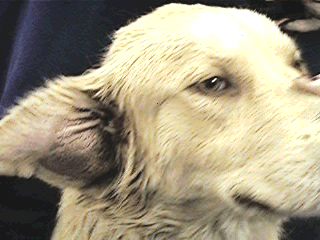
Yeast infection is the most common type of ear infection in dogs. The yeast organisms are fungicalled Malassezia pachydermatis and they are normal on the skin and in the ears. When the ear becomes inflamed and the canal environment changes, the yeast overgrow and create a brown or gray, greasy ear discharge. It is especially itchy and somewhat smelly. It isn’t long before the pet is seen scratching at his ears, shaking his head, or holding one ear slightly dropped.

Discharge and odor may be noticeable to the owner.

Yeast overgrowth can have many underlying causes but allergy is particularly common. If the ear infection involves the ear flap or entrance to the ear canal rather than the canal itself, this is a hint that allergy is at the root of the problem. In these patients, ear infections are often recurrent and accompanied by other skin disease. Regular ear washes at home are frequently needed to disinfect the ear and control the recurrent inflammation.

Some primary, or underlying, causes of ear infection include allergies (atopic dermatitis or food hypersensitivity) and narrowed ear canals. Studies have shown that bacteria can be found in combination with a Malassezia otitis.

Treatment 

Level One: The Simple Ear Infections

Most ear infections are cleared up simply with professional cleaning followed by medication at home. If only mild debris is present in the ear canals, simple disinfection and washing of the ear is adequate; however, in many cases, a full ear flush is needed to even examine the eardrum. For patient comfort, we recommend sedation for this procedure as the ears are sore and the instruments can be damaging if the pet jumps at the wrong time. A sample of ear discharge is commonly examined under the microscope so as to assist in selecting medications for home use. After a couple of weeks of home treatment, the ear canals are rechecked to be sure the infection is gone. In most cases this completes treatment but for stubborn cases, we must proceed to the next step.

Level Two: On-Going Ear Infections

Some dogs have chronic ear problems (the infection is not controlled by general medication or returns when general medication is discontinued). In these cases, the ear discharge should be cultured so that the precise organism can be pinpointed and treated specifically. Regular treatment at home with disinfecting ear washes should become part of the pet’s grooming routine.

Further testing may be in order to determine why the infection continues to recur. Allergy is the most common reason for recurrent ear problems but hormone imbalances can also be underlying causes.

Level Three: The End-Stage Ear

Some ear infections simply cannot be controlled with the above steps. These cases have transcended medical management and must proceed to surgical management. What this entails will depend on the state of the ear canal. Your veterinarian will make recommendations accordingly.

Ear infections are common and can be challenging. Fortunately, most cases are simple and easily cleared up. Be sure to recheck the ears as your veterinarian recommends because ending treatment early can lead to a continuing infection.

Complications of Yeast Ear Infection

Aural Hematoma

When a dog with uncomfortable ears shakes and scratches vigorously, a blood vessel in the earflap may rupture. This leads to bleeding into the tissues of the pinna (ear flap). The usual recommendation is to have the blood clots removed and the ear bandaged and cleaned under anesthesia. If the hematoma is not so big as to occlude the ear canal (thus preventing medication of the ear canal), the option to forgo surgery  exists; but without surgery, the ear may scar down into an abnormal appearance.

Proliferative Ear Canal Change and Middle Ear Infection

A routine ear infection is uncomfortable enough but if the infection persists, it can become an even bigger problem. The infection can lead to proliferation and scarring in the canal which makes the infection especially difficult (and potentially impossible) to clear up. Yeast organisms are joined by resistant bacteria and the infection becomes even more difficult to address.

The ear canal may mineralize and the middle ear may come to be involved, leading to nerve damage. Affected animals may have a head tilt, a lack of balance, and unusual back-and-forth eye movements (called “nystagmus.”) These symptoms are called vestibular signs”and are a complication of middle ear infection. Middle ear infections can also cause paralysis of the facial nerve, leading to a slack-jawed appearance on that side of the face.

Severe cases may require surgical intervention to remove the vertical portion of the ear canal (lateral ear resection)  or even remove and seal the ear canal (ear canal ablation). It is important to control ear infections before they reach this stage if at all possible.