
Kidney Transplants for Cats and Dogs
Kidney transplants are something everyone has heard of for people, but may not have considered possible for pets. In fact, while transplants are confined to specialized facilities with experienced surgeons,
Kidney transplants are something everyone has heard of for people, but may not have considered possible for pets. In fact, while transplants are confined to specialized facilities with experienced surgeons,

A syndrome is a collection of symptoms that have significance when they go together. It is important to realize that having a syndrome is not the same as having a

Hookworms (Ancylostoma caninum, Ancylostoma braziliense, Uncinaria stenocephala) are one of the classical groups of internal parasites of puppies, the others being roundworms, tapeworms, and coccidia. Hookworm infection has several features that are of

Squamous cell carcinoma is not only the most common oral malignancy in cats, it has one of the poorest outcomes. In most cases, the goal is to minimize infection and

Whether the patient is a dog or a cat, ovarian remnant syndrome is suspected when a spayed female pet appears to be coming into heat, something that should be impossible

What are Hot Spots? When the weather gets warm, we start seeing more dogs with hot spots. These wounds are weepy, wet, red, and sometimes bloody when they are fresh, and

Uterine disease in dogs and cats is often influenced by the hormone progesterone, which prepares a female for pregnancy and also helps the mother maintain a pregnancy. However, sometimes things

Hepatic encephalopathy is a neurological condition that can occur in pets, more commonly in dogs, that already have liver disease. Neurological conditions affect the nervous system, which includes the brain,

Hemangiomas are a type of tumor of the blood vessels or the skin. They are benign, but the related hemangiosarcomas are a malignant cancer that also target the blood vessels. They come
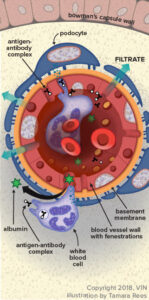
When a patient, human or non-human, is said to have kidney failure, renal insufficiency, or even chronic renal failure, what most people are talking about is a toxin build up when