
Cervical (Neck) Disk Disease in Dogs and Cats
Cervical (neck) disk disease is an intervertebral disk pressing on the spinal cord, causing pressure and pain. It’s essentially the same condition as intervertebral disk disease, except it occurs in the
Cervical (neck) disk disease is an intervertebral disk pressing on the spinal cord, causing pressure and pain. It’s essentially the same condition as intervertebral disk disease, except it occurs in the

One of the classic eye problems veterinarians must address is a red eye. The red eye may or may not be obviously painful but when it is, the pet can be

Prolapse of the Tear Gland of the Third Eyelid Unlike humans (who only have eyelid, technically called the nictitans or nictitating membrane, arises from the inner corner of the eye and

The normal lens of the eye is a focusing device. It is completely clear and is suspended in position by tissue fibers (called zonules) just inside the pupil. The pupil
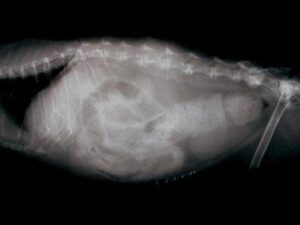
Simple Constipation An occasional episode of constipation is not cause for alarm. When a pet is constipated, stools seem unusually hard and there is unproductive straining. Hard stools might be

What is Colitis? In brief, colitis is the term for inflammation of the colon. The chief feature of colitis is a gooey, frequently splattery diarrhea featuring mucus, fresh blood, or
What on Earth are Coccidia? Coccidia are single-celled organisms that infect the intestine. They are microscopic parasites detectable on routine fecal tests in the same way that worms are, but

When pets get chronic diarrhea, one of the tests that sooner or later comes up is for Clostridium perfringens. This bacterium produces an unpleasant toxin. The situation sounds simple: a pet gets infected

Cuterebriasis is caused by a fly called Cuterebra. The parasite infests small mammals that spend time outdoors, such as dogs, cats, rabbits, ferrets, squirrels, and rodents. Cuterebra are large non-feeding flies that lay
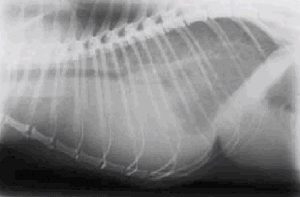
First, the Basics Let us consider the chest cavity for a moment. The chest can also be called the thorax and the chest cavity is sometimes called the thoracic cavity.