
Colitis-Related Diarrhea in Dogs and Cats
What is Colitis? In brief, colitis is the term for inflammation of the colon. The chief feature of colitis is a gooey, frequently splattery diarrhea featuring mucus, fresh blood, or
What is Colitis? In brief, colitis is the term for inflammation of the colon. The chief feature of colitis is a gooey, frequently splattery diarrhea featuring mucus, fresh blood, or
What on Earth are Coccidia? Coccidia are single-celled organisms that infect the intestine. They are microscopic parasites detectable on routine fecal tests in the same way that worms are, but

When pets get chronic diarrhea, one of the tests that sooner or later comes up is for Clostridium perfringens. This bacterium produces an unpleasant toxin. The situation sounds simple: a pet gets infected

Cuterebriasis is caused by a fly called Cuterebra. The parasite infests small mammals that spend time outdoors, such as dogs, cats, rabbits, ferrets, squirrels, and rodents. Cuterebra are large non-feeding flies that lay

Chemical injuries to tissue are caused by contact with harmful chemicals such as lye, acids, and strong cleaning supplies. Also called chemical burns, they can be similar to thermal (heat)
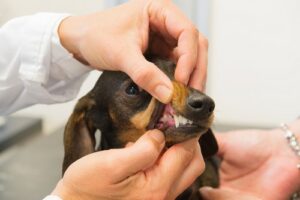
If you see any of these clinical signs, take your pet to your veterinarian for a complete oral examination. Your veterinarian may need to sedate or anesthetize your pet, in

Like people, our pets’ bodies develop cancer cells throughout their lifetime. In the lucky ones, these cells remain dormant and no malignancy ever grows; in others, the cells go mad
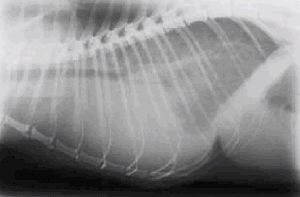
First, the Basics Let us consider the chest cavity for a moment. The chest can also be called the thorax and the chest cavity is sometimes called the thoracic cavity.
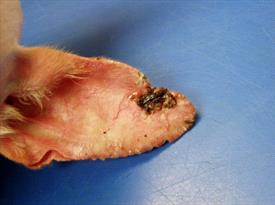
Vasculitis is an inflammatory process of the blood vessels (arteries, veins, or capillaries). Cutaneous means the skin is affected. When skin blood vessels are inflamed, this is called cutaneous vasculitis. Weakened
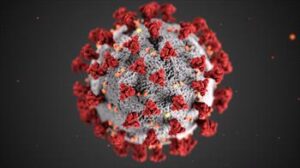
This FAQ is mostly a resource from external sites that provide up-to-date information about COVID-19 and the SARS-CoV-2 virus as it pertains to veterinarians and pets. A novel coronavirus, named